REVIEW · BELLE MEADE MANSION TOURS
Nashville: Belle Meade Historic Site Journey to Jubilee Tour
Book on GetYourGuide →Operated by Belle Meade Historic Site & Winery · Bookable on GetYourGuide
Dark history, told with care.
The Journey to Jubilee tour at Belle Meade is a 60-minute walking experience that focuses on the people who lived and worked on the plantation, from 1807 through the aftermath that followed the 13th Amendment in Tennessee in 1865. What makes it hit hard is that it does not treat this story as distant. It connects key moments to everyday labor, survival, and the long shadow that reached into later Black Heritage through thoroughbred racing.
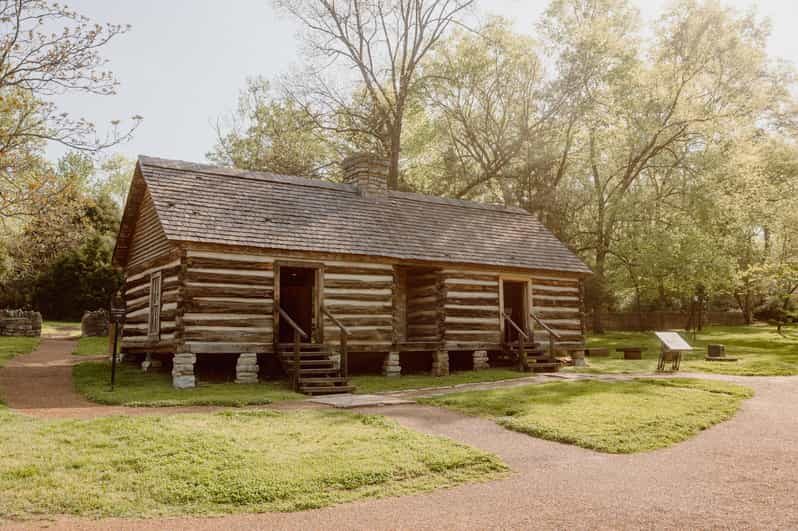
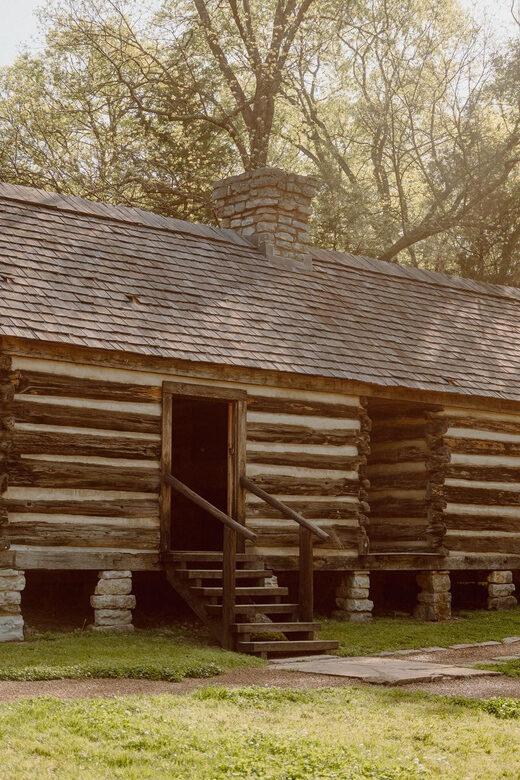
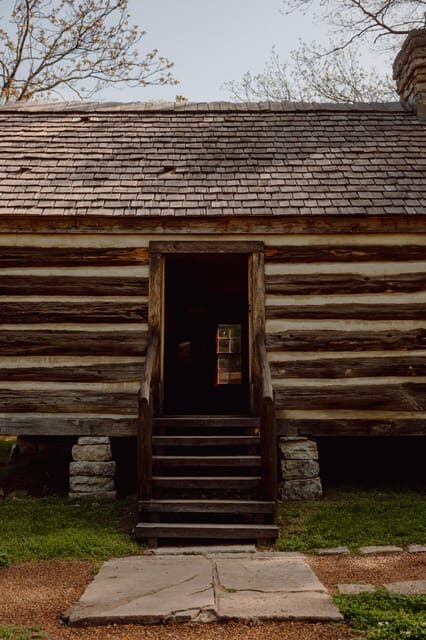
I love that the tour starts in the kitchen house, where skilled laborers were enslaved and forced to keep the plantation running. I also like the human pacing and clarity I’ve seen in guides such as Taegan and Melissa, who were patient with slower walkers and handled tough questions with calm, steady answers.
One consideration: this is sensitive subject matter about enslavement and contract labor. If you’re expecting a casual garden walk, you’ll want to mentally prepare for heavy themes and mature content.
In This Review
- Key things to know before you go
- Where Belle Meade’s story starts to feel real
- The 60-minute walking flow and what each stop teaches
- The kitchen house: labor first, context second
- Across the plantation grounds: points that connect the story
- Ending at the winery: a reflective close
- Emotional storytelling without fluff
- The broader meaning: Black Heritage and thoroughbred racing
- Price and value: is $33 a fair deal?
- Who this tour fits best (and who might want another option)
- Practical tips so the hour goes smoothly
- What the guide experience looks like in real life
- After the tour: how to make your time count
- Should you book the Journey to Jubilee tour at Belle Meade?
- FAQ
- How long is the Journey to Jubilee tour?
- Is the wine tasting included?
- Is this tour appropriate for children?
- Where do I check in for the tour?
- Is wheelchair access available onsite?
- Are pets allowed on the property?
- Is outside food allowed?
Key things to know before you go
- 60 minutes on foot with a guided route across the property, so comfortable shoes matter
- Kitchen house start that grounds the story in daily skilled labor, not just dates and names
- 1807 to 1865 context that follows the plantation era into the era of legal change
- Black Heritage and thoroughbred racing legacy gets real attention, not as an afterthought
- Complimentary wine tasting (21+) at the end gives you a moment to reflect
Where Belle Meade’s story starts to feel real
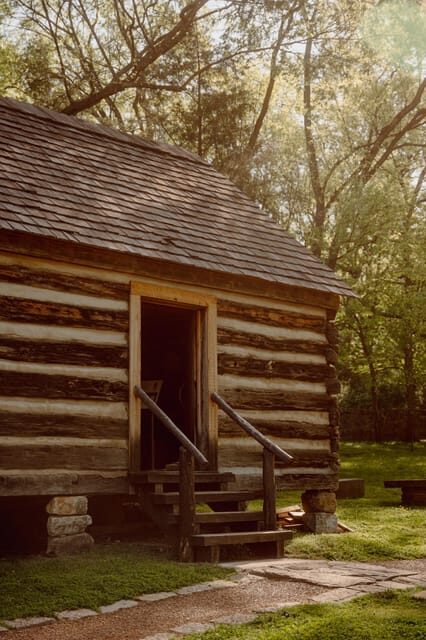
Belle Meade is famous for its estate beauty, but the Journey to Jubilee tour steers your eyes past the postcard view and toward the lives that were controlled there. You’re walking through a plantation landscape with a guide who stays focused on what enslaved people and later laborers endured, and how survival looked in practice.
The best part is the structure. You don’t just get a speech in one place. You begin inside the historic kitchen house, then move across multiple points on the grounds, using the spaces themselves to help you understand the work that happened there. It’s history you can feel in your feet as you go.
And yes, after a topic like this, it’s meaningful that the tour ends with a short palate break—a complimentary wine tasting for guests 21 and over—because it creates a quiet mental “pause” before you head back out.
Other Belle Meade Mansion tours we've reviewed in Nashville



The 60-minute walking flow and what each stop teaches
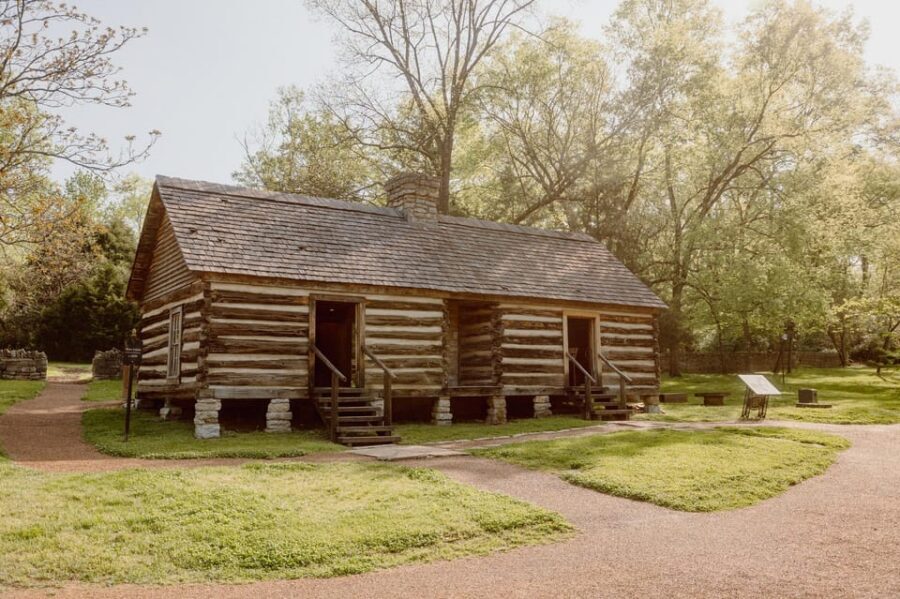
This is a 1-hour guided walking tour. It’s not meant to be rushed, but it is tightly planned, so you’ll want to show up ready to listen and move.
The kitchen house: labor first, context second
Your first stop is the historic kitchen house. This matters because kitchens on plantations weren’t just about meals. Skilled laborers were essential to the whole operation—food preparation, consistent production, and the day-to-day running of a big estate.
I like this start for one reason: it makes the history practical. Instead of floating in generalities, you begin with a specific work space and the people forced to work there. The tour’s tone stays respectful and grounded, and the setting helps you understand why survival often meant doing your job with whatever scraps of power and routine you could maintain.
Across the plantation grounds: points that connect the story
After the kitchen house, you’ll walk to additional points across the property. The tour uses these stops to show what plantation life demanded and how enforced labor shaped lives over time. You’ll learn about the reality of enslavement and contract labor, and you’ll hear stories of perseverance that are not sugary or softened.
You should expect the guide to connect themes: how work systems functioned, how control was maintained, and how the impacts didn’t simply disappear after legal changes. The tour timeline reaches from the plantation’s early years in 1807 through the era that included the 13th Amendment’s adoption in Tennessee in 1865.
Ending at the winery: a reflective close
The tour wraps up with a complimentary wine tasting at the Belle Meade Winery for anyone aged 21+. This isn’t a distraction from the main story. It’s more like a breather. You get a short chance to reset your senses and process what you heard.
If you’re going with mixed ages, remember the tasting is only for 21 and up, so plan for how the timing works with anyone who can’t participate.
Other historical tours in Nashville






Emotional storytelling without fluff
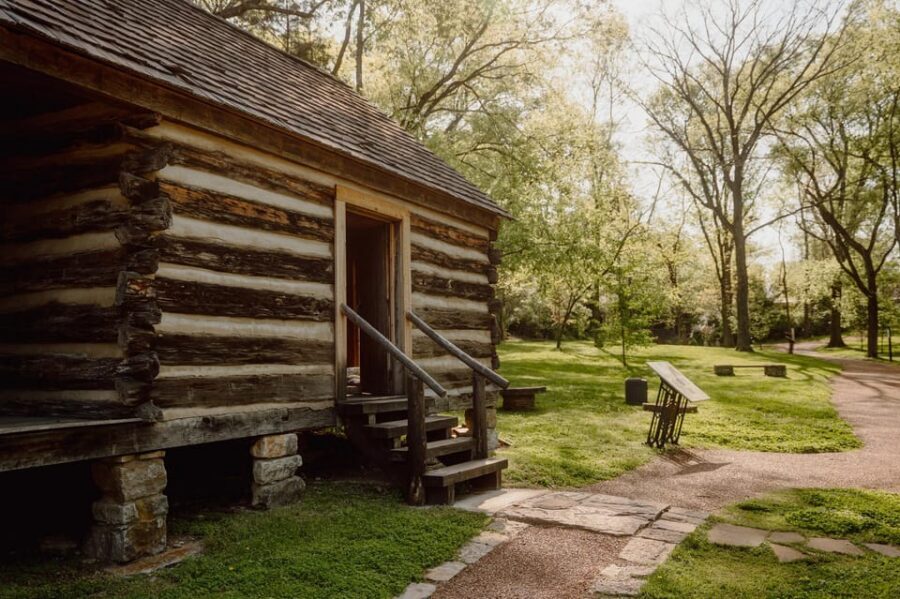
The tour’s stated goal is to honor and remember people whose stories were forgotten. That shows in how the information is presented: it’s built on careful research from primary sources, and it aims to keep the focus on lived experience rather than just repeating slogans or broad facts.
I appreciate that the tour does not try to “balance” suffering with entertainment. Instead, it treats the subject seriously while still giving you structure—start here, then move there, then connect the themes. If you’re the type who likes to understand how a place worked, not just what happened there, you’ll likely find this format satisfying.
The broader meaning: Black Heritage and thoroughbred racing
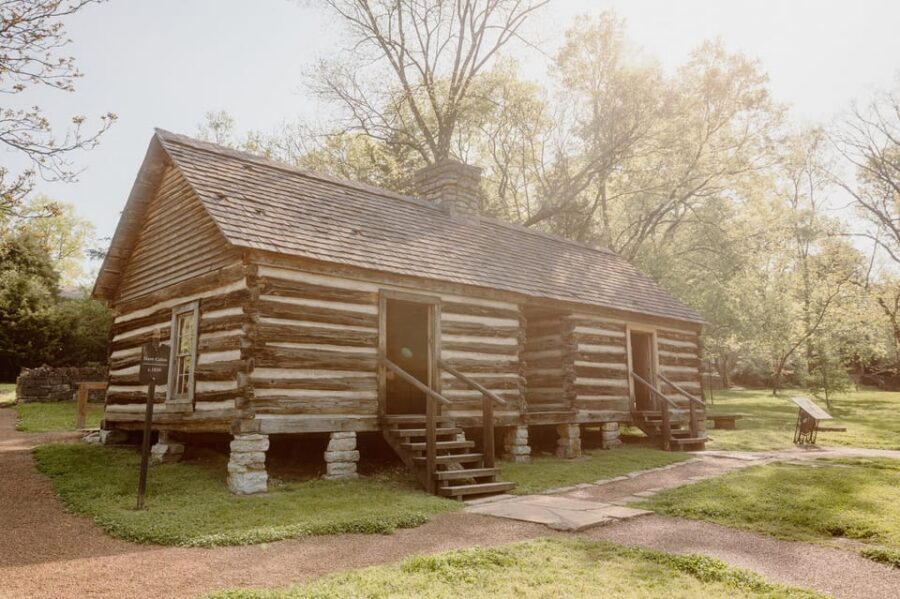
One of the tour highlights is understanding the legacy of Black Heritage in thoroughbred horse racing. This piece is important because it links a painful history of forced labor and control to a later cultural and sporting legacy shaped by Black people’s talent, effort, and influence.
I like that the tour includes this angle instead of leaving you with only tragedy. You walk away with a wider view of continuity—how people’s contributions have always existed, even when history tried to erase them.
This part may feel like a shift in tone, but it’s a useful one. It keeps the story from becoming stuck in one chapter.
Price and value: is $33 a fair deal?
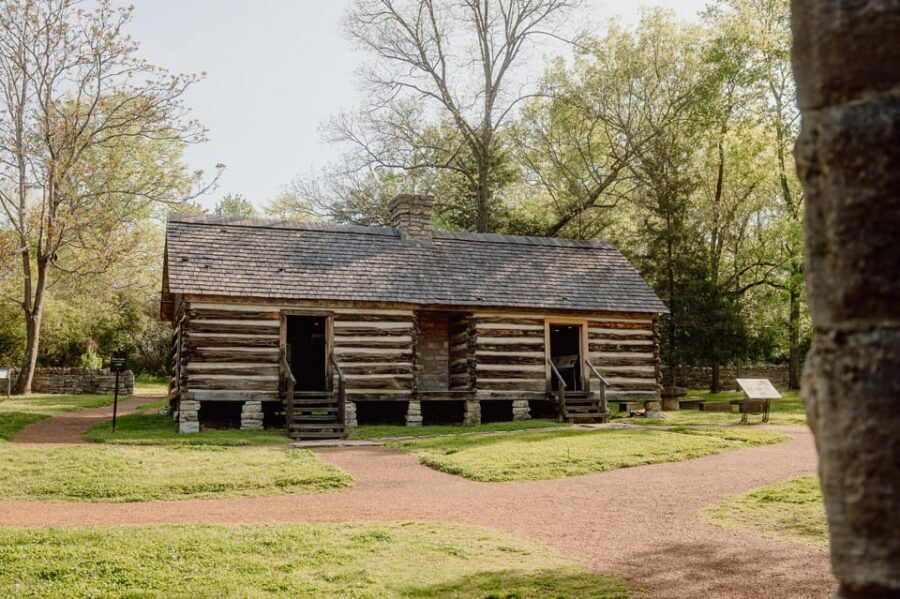
At $33 per person for a 60-minute guided walking tour, the value is solid because you’re not paying only for a basic talk. You’re also getting:
- Guided access across key historic areas on the property
- A complimentary wine tasting (21+)
- Time to see the gardens, historic outbuildings, walking trails, plus on-site amenities like a gift shop and two on-site restaurants (meals aren’t included, but you can plan for them)
In plain terms: for this price, you’re paying for a guided experience with a meaningful ending add-on. If you like tours that feel grounded in place, you’ll probably feel like you got your money’s worth.
If you’re only interested in the winery or a general estate stroll, you might decide to skip this specific tour and do things at your own pace. The Journey to Jubilee is built around its serious content.
Who this tour fits best (and who might want another option)
This tour is recommended for ages 12 and older because the topics are mature and sensitive. That doesn’t automatically mean it’s only for adults, but younger teens should be prepared for the subject matter.
You’ll likely enjoy this tour if:
- you want context about enslavement and contract labor, not just high-level historical notes
- you appreciate tours that use buildings and spaces to explain how systems worked
- you’re open to a heavy emotional experience with a respectful guide
You might want to rethink it if:
- you’re looking for a light, purely scenic walk
- you’re easily overwhelmed by discussions of slavery and survival
Practical tips so the hour goes smoothly
A good experience starts before you meet the guide.
Wear comfortable shoes. You’re walking on a historic property, and the tour is time-boxed.
Check in at the Visitors Center at Tickets & Guest Services on the right after you enter. Then get settled early so you don’t feel rushed when the tour begins.
Outside food and beverages aren’t permitted on the property. If you’re also planning a meal afterward, grab whatever you need before you arrive or plan to eat at one of the on-site restaurants.
Pets aren’t allowed. Service animals are permitted, but they must stay leashed.
Also note: there are no wheelchairs available onsite for rent. If that affects your group, plan accordingly before you go.
What the guide experience looks like in real life
One thing that comes through strongly is the guide’s pacing. I’ve seen guides like Taegan handle mixed-speed groups with patience, especially when older visitors needed a slower rhythm. That matters more than people think—history tours work best when you can actually keep up without feeling stressed.
I’ve also seen guides such as Melissa bring a very professional, structured approach, including managing the informational load within the 60-minute time frame. The result is that the tour can feel both moving and organized rather than chaotic.
After the tour: how to make your time count
When you finish, you’re not just done. You still have access to parts of the property grounds—gardens, historic outbuildings, walking trails, and more. If the wine tasting helped you reset, this is a good moment to take a slower look around and let the spaces sink in.
You can also pop into the gift shop and grab a meal at one of the two on-site restaurants. Meals and beverages aren’t included with the tour, but having food and rest nearby makes the overall day easier.
Should you book the Journey to Jubilee tour at Belle Meade?
If you’re willing to face the reality of enslavement and contract labor with a careful, place-based guide, this tour is worth booking. The hour is long enough to feel substantial, short enough that it won’t drag, and the kitchen house opening gives you a strong anchor for everything that follows.
Book it if you want a thoughtful experience that also connects to a broader legacy through thoroughbred racing. Skip it if you’re mainly there for a scenic stroll or you know you’re not ready for mature, sensitive content.
FAQ
How long is the Journey to Jubilee tour?
The tour lasts 60 minutes.
Is the wine tasting included?
Yes. A complimentary wine tasting is included for guests age 21 and over.
Is this tour appropriate for children?
It’s recommended for ages 12 and older due to mature and sensitive content.
Where do I check in for the tour?
Check in at the Visitors Center at Tickets & Guest Services to the right upon entry.
Is wheelchair access available onsite?
No wheelchair rentals are available onsite.
Are pets allowed on the property?
No, pets are not allowed.
Is outside food allowed?
Outside food and beverages are not permitted on the property. Meals and beverages are not included with the tour.