REVIEW · GUIDED
Nashville: Music History Guided Walking Tour
Book on GetYourGuide →Operated by Histouria · Bookable on GetYourGuide
Nashville makes more sense when you walk it. This $10 tour turns the city into a music-history lesson, with live narration plus a personal listening device that plays interviews, sound effects, videos, and music tied to what you’re seeing. I love the guide-led storytelling, and I love that the audio adds detail even when you’re standing still.
You’ll move downtown past major landmarks like the Ryman Auditorium and the Grand Ole Opry, then branch into the neighborhoods people talk about for better and worse—Lower Broadway, Capitol Hill, Printers’ Alley, 2nd Avenue, and Walk of Fame Park. Guides named Sherri Lee, Dunkin, and Duncan have been singled out for bringing the city’s music threads together with bigger American context, so it’s not just name-dropping.
One thing to keep in mind: it’s a walking tour, but it’s still only about 35 minutes of total walking during the full 2 hours. If it’s pouring rain, you may get more vehicle-style sightseeing than pure foot-walking, which can slightly change the vibe.
In This Review
- Key highlights that make this tour worth your time
- What you actually get on a 2-hour Nashville Music walk
- Starting at Butler’s Run: shoes, audio devices, and group flow
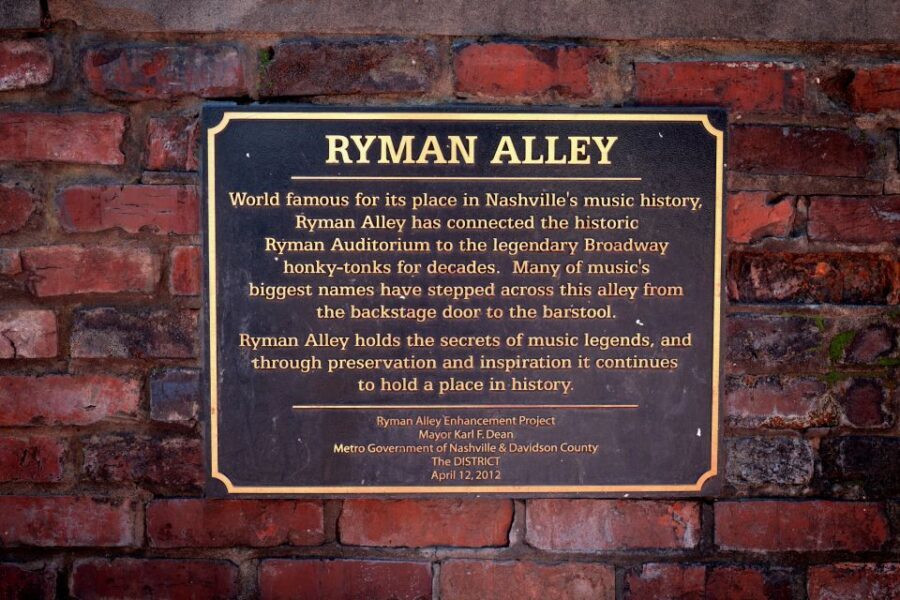
- Ryman Auditorium and the Grand Ole Opry: why these two keep coming up
- Lower Broadway, 2nd Avenue, and Printers’ Alley: the downtown blocks with backstories
- Capitol Hill to the Tennessee State Capitol: the civic side of Music City
- Nissan Stadium and the Country Music Hall of Fame: famous stops with practical context
- Listening devices, videos, and on-demand texting: how the tech really helps
- Rain plans and the 35-minute walking reality
- Price, discounts, and ticket add-ons that can offset the cost
- Who should book this and who should pass
- Should you book this $10 guided walking tour?
- FAQ
- How long is the Nashville Music History Guided Walking Tour?
- How much does it cost?
- Where does the tour meet?
- Is the tour wheelchair accessible?
- Are there any stops or landmarks included?
- What neighborhoods does the route cover?
- What’s included in the tour besides the guide?
- Does the tour run in bad weather?
- Is alcohol allowed on the tour?
- Are tickets to attractions discounted?
Key highlights that make this tour worth your time
- Personal listening device included with music, interviews, videos, and sound effects that match the stops
- Live narrated walking with award-style format and frequent behind-the-scenes stories
- Big-name Nashville landmarks in one loop: Ryman, Opry, Nissan Stadium, the Country Music Hall of Fame, and the State Capitol
- Downtown neighborhoods covered fast: Lower Broadway, Capitol Hill, Printers’ Alley, 2nd Avenue, and Walk of Fame Park
- Discounts + on-demand help: discounted tickets and texting access to an on-demand mobile guide
What you actually get on a 2-hour Nashville Music walk
For $10, you’re buying a focused introduction to Nashville’s music story—built for people who want context without spending all day hopping between venues. The structure is simple: you meet downtown, follow your guide, and get a mix of live narration and audio content that explains what’s happening at each stop.
The stops are designed to give you “cause and effect.” You see the sites people associate with Nashville’s music fame, then you get the why behind them—how the city’s industry formed, how public attention gathered, and how different eras changed the sound. It’s especially useful if you’re visiting for a short time or if you already plan to do at least one paid music experience (a show, museum time, or a tour) and want the background first.
Also, the tour is rain or shine. You’re not stuck waiting for perfect weather just to get oriented. And while it’s called a walking tour, the total time on your feet is modest—roughly 35 minutes spread through the experience—so the pace is approachable for many people.
Other walking tours we've reviewed in Nashville


Starting at Butler’s Run: shoes, audio devices, and group flow
Your guide meets you at Butler’s Run, and you should wait by the brick wall or on the benches. Do not crowd the entrances of stores unless you’re actively buying something. This matters more than you’d think: it helps the group stay moving, and it keeps you from losing time while the guide tries to gather everyone.
Before you set off, you’ll have a personal listening device (a high-quality unit) that pairs with the route. As you walk from landmark to landmark, you’ll hear the guide live—then you’ll also get extra audio content such as interviews, music, and sound effects that correspond to what’s in front of you. It’s a clever setup for outdoor tours because it reduces the “wait, what did they say?” moment when traffic or street noise gets loud.
Bring comfortable shoes—not because you’ll be hiking for hours, but because downtown surfaces can be uneven and you’ll still spend time outside. Sunscreen is smart too, since the route includes several outdoor viewpoints and streets. The tour uses an easy, gradual incline, so it’s not a steep slog.
Ryman Auditorium and the Grand Ole Opry: why these two keep coming up
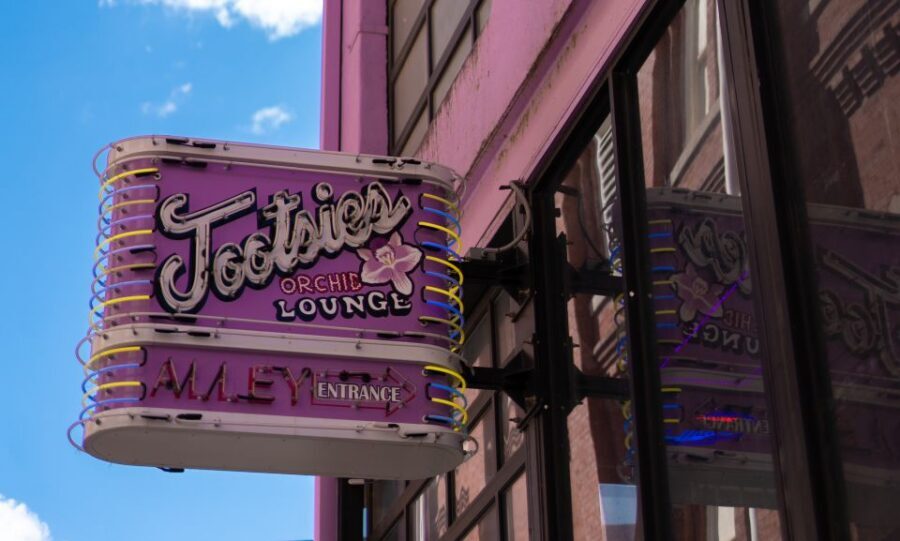
If you only remember two places from Nashville, make them these. The tour explicitly includes both the Ryman Auditorium and the Grand Ole Opry, and that’s the right instinct because they’re central to how Nashville became Music City.
Here’s what makes these stops more than photo ops: you’re not just told what happened there—you’re guided through how Nashville’s music culture developed in public. The Ryman is tied to performance history and the city’s long-running tradition of live shows. The Opry connects that tradition to a broader audience and the idea of Nashville as a destination for music, not just a local scene.
When the guide and the audio line up—live narration plus clips—you get a better sense of the sound and the atmosphere behind the walls. In a place like Nashville, that context makes later experiences click faster. If you’re planning to attend an Opry show or visit a museum afterward, you’ll recognize names, themes, and eras instead of feeling like you’re starting from scratch.
Lower Broadway, 2nd Avenue, and Printers’ Alley: the downtown blocks with backstories
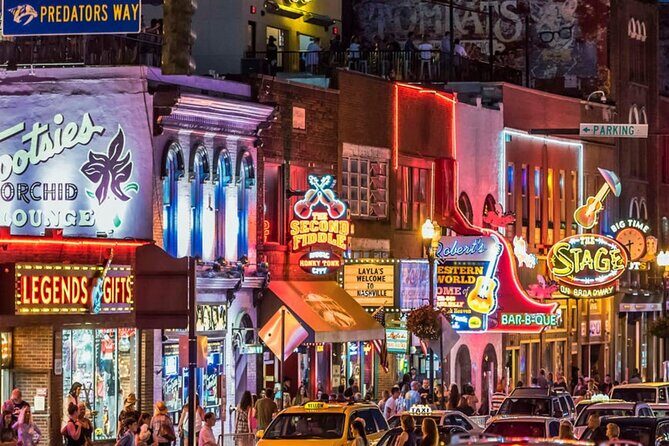
After the major performance anchors, the tour swings into the street-level story. You’ll pass through areas people associate with classic Nashville energy—some polished, some gritty, depending on the block.
Lower Broadway is one of the big ones. You’ll also cover 2nd Avenue and Printers’ Alley, plus Walk of Fame Park. This is where you start to see how the city’s music industry shaped its geography: where crowds gathered, where businesses built their identities around shows and nightlife, and how the city’s reputation spread.
What you gain from a guided loop is pattern recognition. Without a guide, you might simply notice music venues and signage. With the tour, you understand why these streets became synonymous with the Music City brand. Even if you know Nashville is famous for country music, the tour helps explain how the city’s identity formed over time, not overnight.
And because you’re getting audio content while you walk, you’re not stuck relying only on what the guide can tell you in a moving group. That matters when you’re standing at angles—street corners, sidewalks, and overlooks—where it’s easy to miss a detail.
Capitol Hill to the Tennessee State Capitol: the civic side of Music City
Music Nashville didn’t grow in a vacuum. This tour brings you to Capitol Hill and the Tennessee State Capitol, which is a smart move if you want the full picture.
Why? Because policy, public institutions, and civic decisions influence what cities can build and preserve. When you stand near the State Capitol, the stories shift from stage lights to governance and public life. That changes the way you think about the music scene. It’s no longer only a nightlife or entertainment narrative—it becomes part of how a city organizes itself.
One guide approach that stands out from the experience: music threads are sometimes woven alongside bigger American historical context, including references to the War of Independence and the Civil War. You don’t need to be a history buff to appreciate the effect. It frames Nashville as part of a longer national story, not an isolated music bubble.
If you’ve ever felt that music history tours skip the “real world” around the venues, this stop style is a welcome correction.
Other guided tours in Nashville






Nissan Stadium and the Country Music Hall of Fame: famous stops with practical context
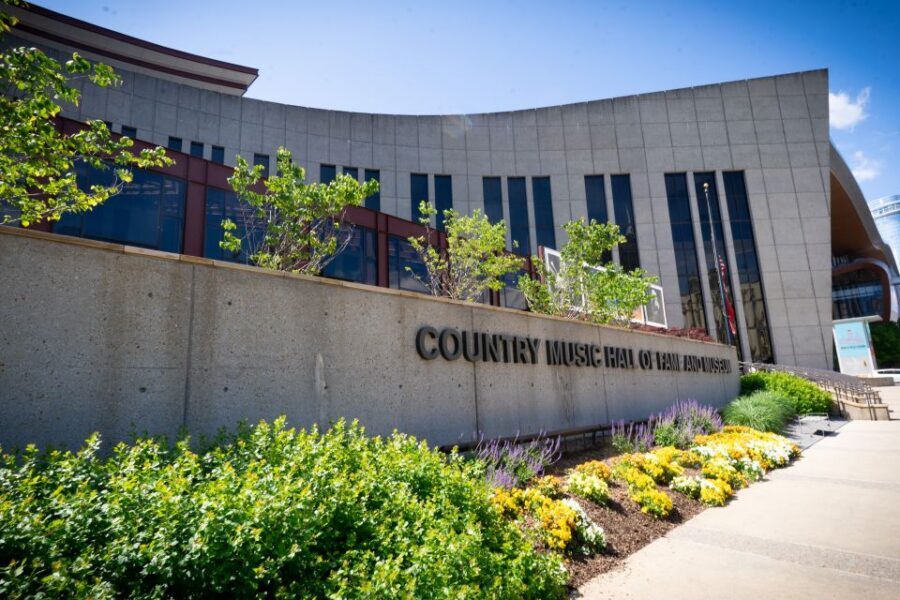
You’ll also pass Nissan Stadium, and the Country Music Hall of Fame and Museum is on the route as well. This combination is useful because it connects music to mainstream attention.
Stadiums represent scale—big crowds, big moments, and the kind of national visibility that turns a local scene into a cultural export. Museums and halls of fame represent preservation: the choice to document, label, and keep certain stories in public view. Together, they highlight both sides of fame: how it grows in the moment and how it gets stored for later generations.
Even if you don’t go inside every venue you see, getting guided context outside helps you decide what’s worth paying for. For instance, if you’re short on time, you can match your interests to the museum’s focus, rather than choosing purely based on name recognition.
Listening devices, videos, and on-demand texting: how the tech really helps
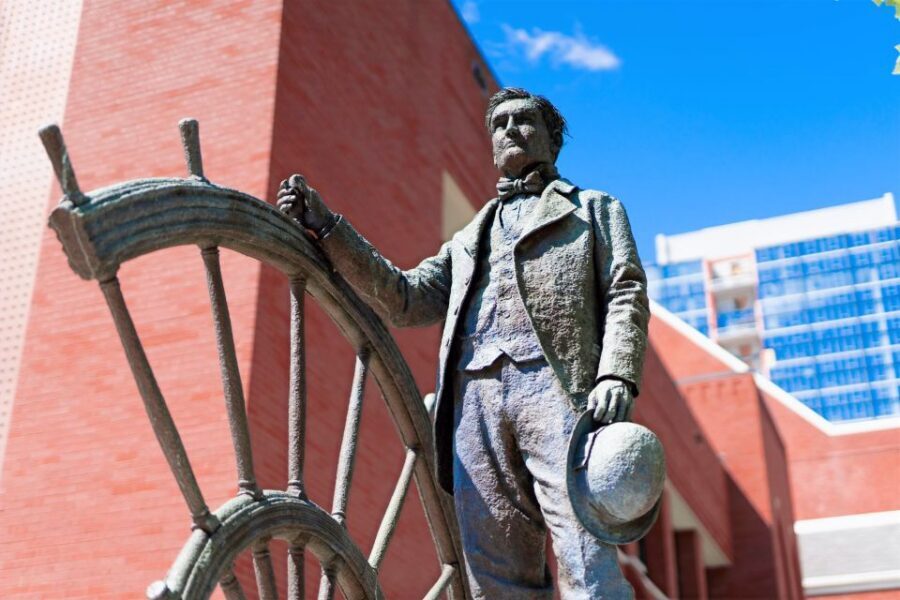
This tour uses technology in a straightforward way: the personal listening device keeps you synced to the route. Instead of trying to memorize facts at each stop, you get the audio layer that repeats and expands what the guide is saying, with media like interviews and videos.
That matters when you’re outside and the real world is noisy. It also helps you catch details you might miss due to distance or street angles. I like this format because it gives you control: you can stay close enough to hear the guide, and still rely on the device for the extra context.
There’s also an on-demand mobile guide texting service. That’s practical for questions that come up mid-trip—where to go next, what might be worth spending time on, or how to fit an extra attraction into your day. The tour also offers free guide content for local free, secret, and discount attractions and shows, which can help you build a more complete Nashville day without inflating your budget.
Rain plans and the 35-minute walking reality

Weather is one of the biggest variables in walking tours, and this one runs rain or shine. The “good news” is that your feet time is built to be manageable: about 35 minutes of total walking across the full 2 hours.
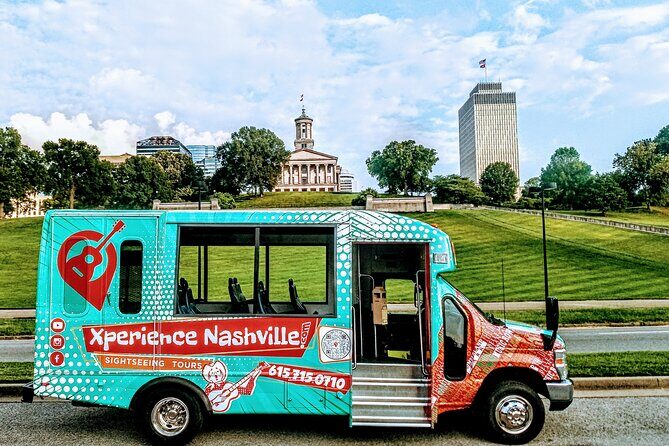
In heavy rain, the experience may shift in practice. There’s evidence that when it poured, the team did its best by adjusting the experience with car-based sightseeing. That’s not the same as a full walking tour, but it does keep you moving through the key sights instead of cancelling and losing the day.
So if you’re booking around storms, you can feel more confident. Still, pack for comfort: a light rain layer helps, and comfortable shoes remain the right call. If you’re visiting with kids, wagons can be provided for small children, which makes the logistics easier.
Price, discounts, and ticket add-ons that can offset the cost
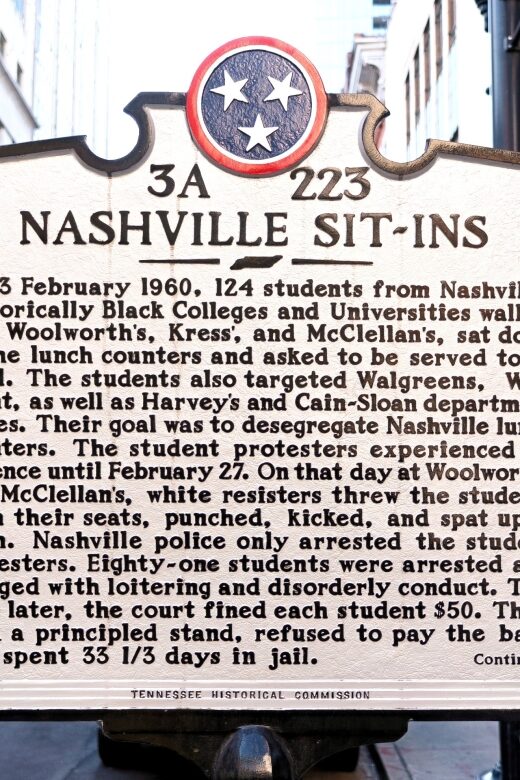
At $10 per person, the tour is priced like an orientation—not like a full-day attraction. The biggest value isn’t only the narration. It’s the combination of: live storytelling, the included listening device, and the opportunity to buy discounted tickets to nearby attractions and tours.
Discounts can feel like a marketing word on some tours. Here, the logic is simple: you walk past major venues like the Country Music Hall of Fame and other big-name stops, then the tour offers ways to reduce the cost if you want to go further. You also get that free guide to local free/discount experiences, which can help you stretch your entertainment budget.
If you plan to spend money anyway—on a museum visit, a show, or a separate tour—this is a cheap way to put your money into context first. You’ll likely understand what you’re paying for more clearly.
Who should book this and who should pass
This tour is a great fit if you:
- Want a short, budget-friendly Nashville overview
- Plan to do at least one bigger music activity afterward
- Prefer a guided route where the information comes to you via live narration plus audio
It’s also good for couples or friends who want the group experience without feeling locked into long hours. The pace includes gradual incline and modest walking time.
You might want to choose something else if you:
- Hate audio devices and would rather hear everything only from the guide
- Are looking for a long, deep, step-by-step “museum-level” account of one venue (this is broader, spread across many points)
- Want alcohol-focused nightlife energy on the route (alcohol isn’t permitted on the tour)
Should you book this $10 guided walking tour?
Yes, if you want a smart start in Nashville. This is the kind of tour that helps you connect the dots between landmarks, neighborhoods, and the music industry that turned Nashville into a destination.
Book it early in your trip if you can. That way, when you later visit the Hall of Fame, catch a show, or even just wander downtown on your own, the names and stories land faster. And at $10 with a listening device included, it’s hard to lose value—even if the weather forces some adjustments.
If your trip is only a quick stop and you want one organized taste of Music City, this is a solid choice.
FAQ
How long is the Nashville Music History Guided Walking Tour?
The tour lasts 2 hours, with about 35 minutes of total walking over the course of that time.
How much does it cost?
It costs $10 per person.
Where does the tour meet?
The guide meets you in Butler’s Run. Wait along the brick wall or on the benches.
Is the tour wheelchair accessible?
Yes. It’s wheelchair accessible, and accessible alternative routes are available if needed.
Are there any stops or landmarks included?
Yes. The tour includes major stops such as the Ryman Auditorium, the Grand Ole Opry, Nissan Stadium, the Country Music Hall of Fame and Museum, and the Tennessee State Capitol.
What neighborhoods does the route cover?
You’ll pass through areas like Lower Broadway, Capitol Hill, Printers’ Alley, 2nd Avenue, and the Walk of Fame Park.
What’s included in the tour besides the guide?
You get a personal high-quality listening device, plus curated photos, videos, interviews, sound effects, and music through that device.
Does the tour run in bad weather?
Yes. Tours depart rain or shine.
Is alcohol allowed on the tour?
No. Alcohol is not permitted on the tour.
Are tickets to attractions discounted?
You have the opportunity to purchase discounted attraction and tour tickets, and you’ll also receive a free guide to local free, secret, and discount attractions and shows.