REVIEW · GUIDED
Downtown Nashville Guided Sightseeing Walking Tour
Book on Viator →Operated by Really Entertaining Tours · Bookable on Viator
History hits the sidewalk here.
This guided downtown Nashville walking tour is built like a story, not a checklist. You start at 5th and Broadway, move through the landmarks tied to the honky-tonk era, and get stop-by-stop context on how Music City formed. I especially like the full narration that ties sites together, and the guides’ humor and local storytelling style that keeps the walk from feeling like a lecture.
One consideration: it’s a 2-hour walking route, and the pacing can feel quick, especially in crowded downtown pockets. If you’re sensitive to late starts or you prefer strictly neutral commentary, it’s smart to know that experiences can vary by guide and day.
In This Review
- Key highlights at a glance
- A Two-Hour Taste of Downtown Nashville’s Honky-Tonk Universe
- Meet at 501 Broadway: How the Route and Timing Feel in Real Life
- 5th and Broadway to Ryman: From Pre-Prohibition Saloon Energy to the Mother Church
- Tootsie’s Orchid Lounge and Ernest Tubb Record Shop: Icons You Can Picture Instantly
- The George Jones Stop and the Fort Nashborough Thread
- Riverfront Park, Cumberland River Views, and Andrew Jackson’s Duels
- Printer’s Alley to Skull’s Rainbow Room: The Seedy Side With Real Musical Roots
- Woolworth on Fifth and the Civil Rights Stories You Should Hear in Person
- Cherry Street to Downtown Presbyterian Church: Statues, Power, and Architecture
- What I’d Look For: Value, Pace, and the Stuff That Can Go Wrong
- Should You Book This Downtown Nashville Walking Tour?
- FAQ
- How long is the Downtown Nashville guided walking tour?
- Where does the tour start and end?
- What’s the price per person?
- Is the tour guided and narrated?
- Is the tour suitable for families?
- What happens if weather is poor?
Key highlights at a glance
- 5th and Broadway to Fort Nashborough: a route that connects early Nashville history to honky-tonk icons
- Music City legends in plain sight: Ryman Auditorium, Tootsie’s Orchid Lounge, Ernest Tubb Record Shop, and more
- Honky-tonk plus real civic history: the Civil Rights-era stop around Woolworth on Fifth and Nashville Freedom Riders context
- Plenty for music fans, even if you are not a super-fan: pointers toward where stars drank, practiced, and honed their sound
- Hear the guide clearly: many reviews praise a portable speaker setup for loud downtown noise
- Local, story-driven orientation: a quick way to learn how neighborhoods fit together before you pick your own plan
A Two-Hour Taste of Downtown Nashville’s Honky-Tonk Universe
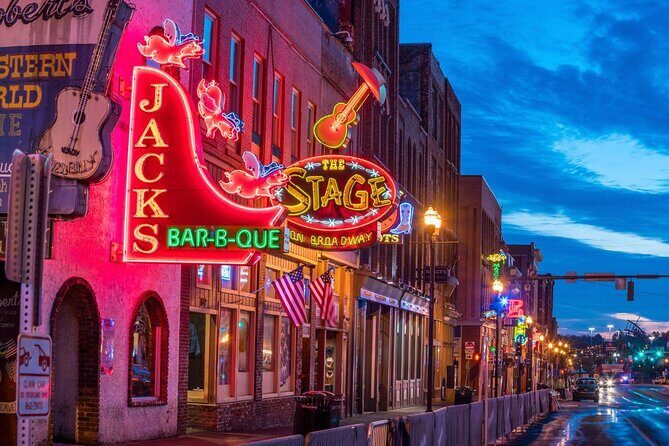
Downtown Nashville can feel like a maze when you first arrive. This tour helps you make sense of it fast, with a straight-line route through the city’s core. You’ll hear how honky-tonk culture grew, where the loud characters hung out, and why certain streets matter beyond the party reputation.
The heart of the experience is the way the guide links each stop to a bigger theme. You’re not just looking at buildings and statues. You’re learning why those places became magnets for singers, songwriters, and regulars—and how the city’s mood shifted as music and social life changed.
This is also the kind of tour that works if you’re traveling with mixed ages. It’s family friendly, but it still includes the edgy side of downtown (handled through stories and context, not shock value).
Other walking tours we've reviewed in Nashville



Meet at 501 Broadway: How the Route and Timing Feel in Real Life
The tour meets at 501 Broadway and ends back at the meeting point. It runs about 2 hours and starts at 10:00 am, which is a good time to get your bearings before the day gets more intense.
With a maximum group size of 20, you’re not stuck in a huge herd. That helps, because a walking tour lives or dies by whether you can hear the guide and keep moving together. Reviews also mention small groups (one example was 7 people), which usually means better pacing and fewer bottlenecks.
You’ll be on foot through downtown and will spend time in sun and shade depending on the route. One practical tip from the vibe of the tour: even if it’s warm, the shaded stretches can feel cooler. Plan for layers.
Also, you’ll likely be using your phone for the mobile ticket. If you have to find the meeting group quickly, that matters—so have your ticket ready before you reach the corner.
5th and Broadway to Ryman: From Pre-Prohibition Saloon Energy to the Mother Church
You start in the thick of it: the area around 5th and Broadway, often described as ground zero for Nashville’s honky-tonk universe. From there, the stories lead you toward major music landmarks and the early identity of the city.
One of the first big anchor stops is Ryman Auditorium, called the Mother Church of country music. Even if you’ve only heard of it from posters and playlists, the guide’s framing helps you understand why it became so central to Nashville. It’s not just a stage—it’s part of the infrastructure of the music business.
The tour also emphasizes the idea of Nashville having two faces. There’s the grand performance side. And there’s the rougher, character-driven side that hums just behind the spotlight. That contrast keeps the walk interesting, because you’re seeing the city in layers, not one mood.
Quick consideration: Ryman and nearby areas can be busy. If you hate crowds, go a bit patient-minded. The guide will keep you moving, but you may still feel the downtown density.
Tootsie’s Orchid Lounge and Ernest Tubb Record Shop: Icons You Can Picture Instantly
Then you hit Tootsie’s Orchid Lounge, widely known as one of the world’s most famous honky-tonks. What I like about this stop on a guided walk is that you’re not only hearing its fame—you’re getting the cultural logic behind it. The guide uses the stories of the place to explain the honky-tonk ecosystem: the performers, the regulars, and the constant churn of music.
Right after that, you get Ernest Tubb Record Shop. This is a clever stop because it explains how the music industry moves in Nashville: from recordings to live performance, and from the next big opportunity to the next room where people can be seen. The tour also ties this location to how certain stories made it into popular culture.
If you’re a music fan, these stops feel like stepping into a map of connections. If you’re not, they still work because the guide doesn’t assume you know the names. You come away knowing what each place represents.
The George Jones Stop and the Fort Nashborough Thread
Next comes The George Jones area. The tour uses him as a doorway into the bigger idea of Nashville legends and the myth-making that comes with them. Even if you only know the name, you’ll understand why this kind of venue and reputation became part of the city’s identity.
Then the walk shifts gears in a meaningful way: Fort Nashborough. This stop is valuable because it brings the story back to the physical beginnings of Nashville, long before the city became synonymous with music tourism. You’ll hear about the Cherokee presence for thousands of years, then the later Anglo settlement period and what Nashville looked like in its early days.
This historical turn is one of the best reasons to book a guided walk instead of just roaming. You get a timeline. You stop treating the city like a theme park and start seeing it like a real place with deep roots.
Other guided tours in Nashville





Riverfront Park, Cumberland River Views, and Andrew Jackson’s Duels
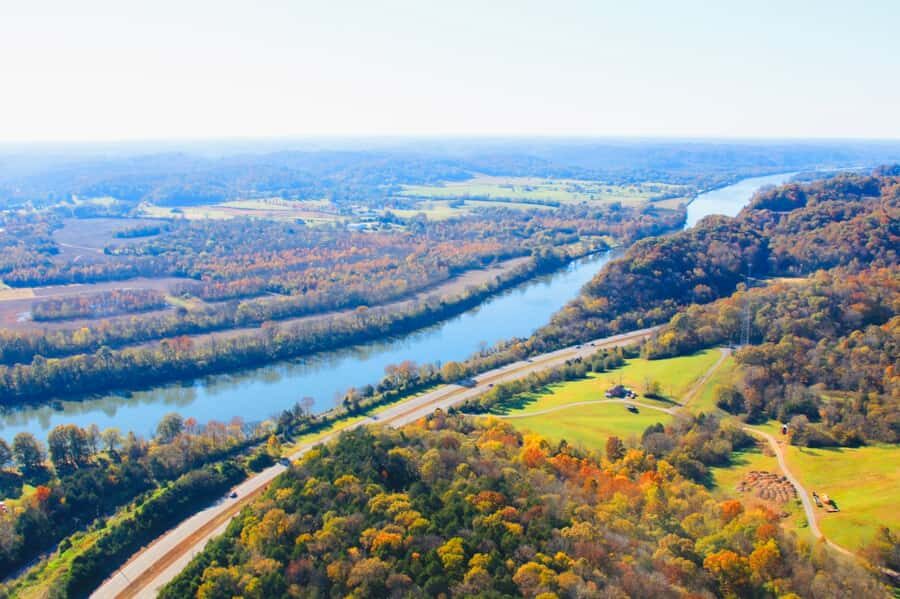
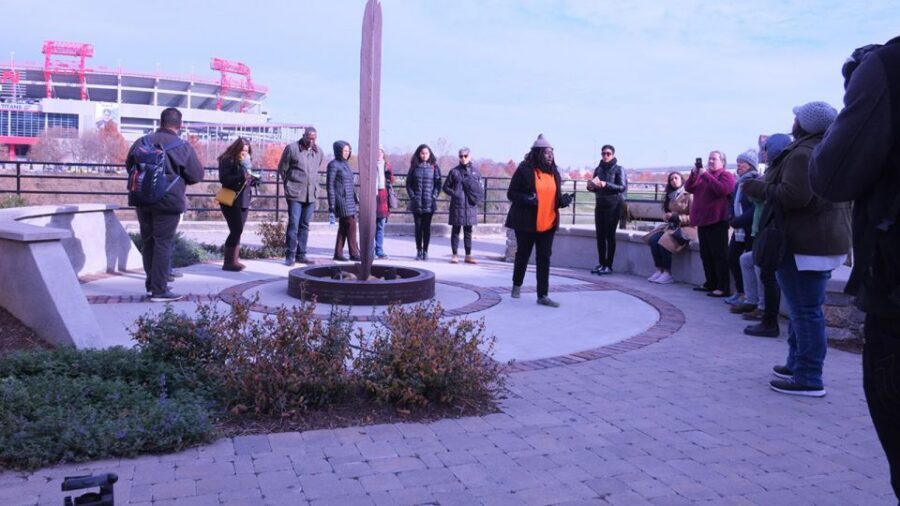
As you head toward Riverfront Park, the guide weaves in Nashville’s relationship with the river and trade. You’ll also get views of the Cumberland River and the Tennessee Titans stadium area. That combination helps you understand how Nashville’s modern skyline sits on top of older priorities—movement, commerce, and gathering spaces.
Then you move to Nashville Public Square and hear stories tied to Andrew Jackson’s duels. This is an important stop because it broadens the tour beyond music. Nashville wasn’t only a music town. It was a political and social town, and the guide connects that reality to the city’s public spaces.
Why this matters for you: if you plan to wander on your own afterward, you’ll remember these anchor points. They’ll help you navigate downtown without feeling lost in neon and foot traffic.
Printer’s Alley to Skull’s Rainbow Room: The Seedy Side With Real Musical Roots
The tour leans into Printers Alley next. This is described as a world-famous alley where the line between work, nightlife, and character blur together. You’ll hear how this corridor became a hangout for big names across decades and genres.
From there, you’ll reach Skull’s Rainbow Room—a stop packed with star power in the stories. The guide connects it to Johnny Cash and names tied to other music legends who practiced and learned in earlier days. Even if you’re only there for the atmosphere, the storytelling helps you understand why places like this get remembered.
One reason this stretch works well is that the guide doesn’t just drop famous names. It connects them to the city’s habit of turning late-night life into creative momentum.
Woolworth on Fifth and the Civil Rights Stories You Should Hear in Person
Downtown Nashville has a layers-of-history feel that can be easy to miss if you’re only chasing music sights. This tour corrects that with a stop tied to Woolworth on Fifth and the Civil Rights sit-ins. You’ll also hear about the Nashville Freedom Riders and their resistance to unjust Jim Crow laws.
This part of the walk is important. It gives context to the city’s public spaces and reminds you that the story of Nashville is not only built by performers and venues. It was also shaped by protest, courage, and consequence.
If you’re traveling with kids, you’ll likely appreciate that the guide can keep it understandable without sanitizing it.
Cherry Street to Downtown Presbyterian Church: Statues, Power, and Architecture
As you continue, you’ll pass by Cherry Street to pay your respects to Chet Atkins’ statue. For a lot of visitors, this is a quick hit of joy. It’s a reminder that musical influence isn’t only about the loudest performers—it’s also about the people who shaped the sound.
Then the walk reaches Tennessee State Capitol and later the Downtown Presbyterian Church. The church stop stands out because of its Egyptian Revival architecture, described as one of the only examples of that style you’ll find in the United States, located here in a downtown church setting.
Architectural stops can feel like a pause in a walking tour. On this one, it doesn’t. The guide uses these places to keep the narrative moving—what Nashville chose to build, what it chose to symbolize, and how those choices reflect what mattered at the time.
What I’d Look For: Value, Pace, and the Stuff That Can Go Wrong
For $25 per person and about 2 hours, this tour is a solid value if you’re new to the city or you want structure. You’re paying for three things that are hard to replicate alone: a tight route, narrative context, and a guide who can connect the music story to broader Nashville history.
The most praised aspects from the experience data are consistent:
- The guide’s humor and entertainment keep the tour moving
- Clear audio helped groups hear the guide even with downtown noise
- Good pacing in many runs means you still feel like you learn something instead of being rushed through
- A sense of orientation helps you plan the rest of your trip with confidence
That said, there are a few watch-outs you should plan for:
- Late starts have happened in at least one reported case. If you have a strict schedule, give yourself a cushion.
- Political commentary can be a deal-breaker for some people. If you want a strictly music-focused, neutral vibe, be aware that some guides may bring in opinions. You can still choose to engage, or step back if it’s not your thing.
- Speed of delivery can be an issue. Some people found the guide talked fast and Q&A came at the end. If you like questions during a tour, try to keep note of what you want to ask so you’re ready at the close.
- Wayfinding problems can derail the first minutes. One no-show report mentioned difficulty finding the meeting point using directions. My advice: get to the exact address at 501 Broadway, and if you have a mobile map, use the address pin rather than relying on vague corners.
Should You Book This Downtown Nashville Walking Tour?
I think this is an easy yes if:
- you want a fast, story-based orientation to downtown
- you love honky-tonk culture and music landmarks
- you want a mix of music history plus real civic history
- you appreciate guides who use humor and keep groups engaged
I’d think twice if:
- you’re very sensitive to late arrivals or you have tightly booked plans back-to-back
- you prefer a strictly neutral presentation and want zero chance of political discussion
- you dislike any style of fast pacing and need frequent pauses to process information
If you’re arriving in Nashville and you want your first morning to produce momentum for the rest of your trip, this is a smart booking. You’ll walk away knowing where the key stories live—so your self-guided time afterward feels less like wandering and more like choosing.
FAQ
How long is the Downtown Nashville guided walking tour?
The tour lasts about 2 hours.
Where does the tour start and end?
It starts at 501 Broadway, Nashville, TN 37203 and ends back at the meeting point.
What’s the price per person?
The price is $25.00 per person.
Is the tour guided and narrated?
Yes. It’s a fully narrated walking tour led by a local guide.
Is the tour suitable for families?
Yes, it’s described as family friendly, and most travelers can participate.
What happens if weather is poor?
This experience requires good weather. If it’s canceled due to poor weather, you’ll be offered a different date or a full refund.