REVIEW · HOP-ON HOP-OFF TROLLEY TOURS
Nashville Hop On Hop Off Trolley Tour
Book on Viator →Operated by Historic Tours Of America · Bookable on Viator
Nashville, minus the stress.
This hop-on hop-off trolley is an easy way to get your bearings fast: 13 stops across town, plus live onboard commentary that helps you connect the landmarks to the stories behind Music City. You can ride the whole loop, hop off for a closer look, then jump back on when you’re ready.
I love two things most. First, you get real-time guidance from trained conductors (the kind who can turn a quick pass-by into a meaningful stop). Second, the whole setup lets you control your pacing—ride once to map the city, then return to the spots you actually care about.
My only caution: there’s a timing wrinkle. Stops 7 through 10 stop operating at 3:30pm Monday–Friday, so plan your day if you’re aiming for the busiest downtown music venues.
In This Review
- Key takeaways before you board
- How the Nashville trolley makes sightseeing feel easy
- Where to check in—and how to start wherever you want
- Stop-by-stop plan: what each area is good for
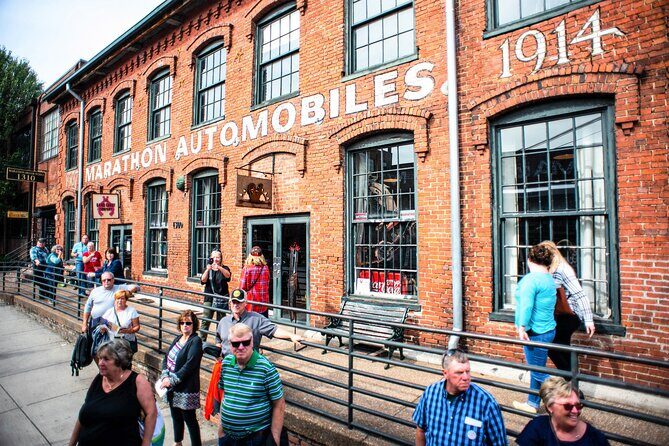
- Stop 1: Marathon Village (start here if you want shops and food)
- Stop 2: Centennial Park and the Parthenon (your big green reset)
- Stop 3: Midtown Nashville (a slice of modern Nashville)
- Stop 4: Belmont Mansion / Belmont University (history plus a sense of place)
- Stop 5: The Gulch (shops, dining, and public art)
- Stop 6: Union Station Nashville Yards + Frist Art Museum (downtown energy with options)
- Stop 7: Country Music Hall of Fame and Museum (if you only do one museum…)
- Stop 8: 201 Broadway (downtown landmark area)
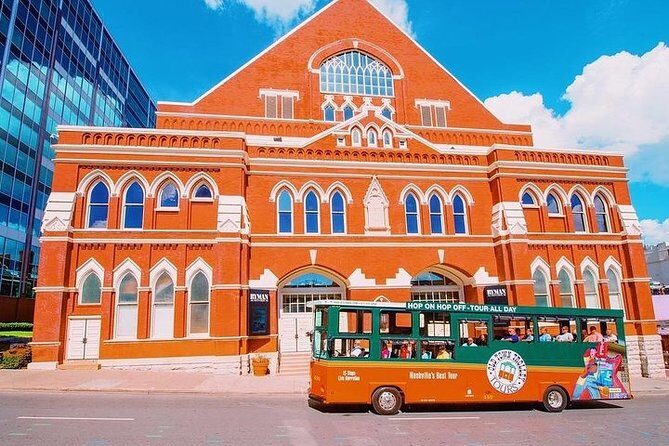
- Stop 9: 116 5th Ave N (Ryman Auditorium) (Music City at volume)
- Stop 10: Legislative Plaza / TPAC (culture and civic Nashville)
- Stop 11: Musicians Hall of Fame and Museum (music storytelling for the curious)
- Stop 12: Nashville Farmers’ Market / Bicentennial Plaza (eat + wander options)
- Stop 13: Capitol View (wrap with a viewpoint feel)
- The 3:30pm weekday cutoff at stops 7–10
- Live narration: the difference between hearing facts and getting context
- Comfort and logistics: open-air windows, winter warmth, and stroller rules
- Value for $53.72: when it makes sense (and when it doesn’t)
- Best fit: who this tour suits best
- Should you book? My honest recommendation
- FAQ
- FAQ
- Can I board the Nashville Trolley Tour at any of the stops?
- How long is a full rotation of the trolley?
- How many stops are on the route?
- Is the tour narrated?
- Are food and drinks included?
- Which parts of the route close at 3:30pm on weekdays?
- Does the tour run on major holidays?
- What happens if weather is bad?
- Can I get a refund if I cancel?
Key takeaways before you board
- Hop on anywhere: Start at any of the 13 stops, with the option to check in at the downtown ticket booth if you prefer.
- Live, guide-led narration: You’ll hear commentary in English with sound effects and extra context.
- A practical “first day” loop: I like doing the full rotation first, then hopping off on the second round for deeper visits.
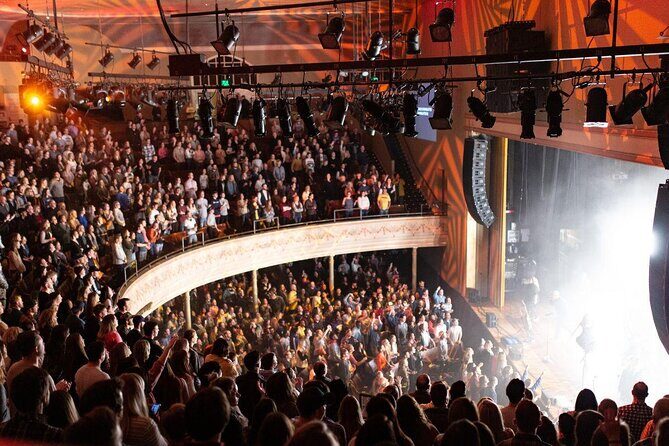
- Strong Music City coverage: You pass right by major stops like the Country Music Hall of Fame and the Ryman Auditorium.
- Know the 3:30pm weekday cutoff: Stops 7–10 close at 3:30 Monday–Friday.
- Trolley comfort for real weather: Heated trolleys in winter, plus roll-up/down plastic windows when conditions change.
How the Nashville trolley makes sightseeing feel easy
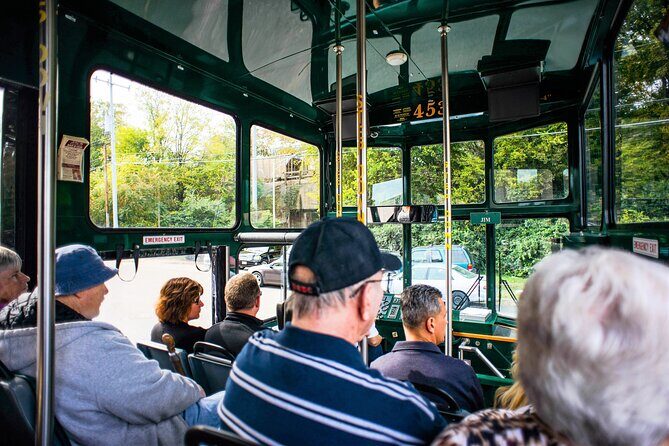
The Nashville Hop On Hop Off Trolley Tour is built for people who want context without the logistics headache. You’re not trying to park, fight traffic, or piece together a route between attractions that are spread out. You just find your stop, hop on, and let the trolley thread its way through the city.
What makes it especially useful is how the narration turns “I’ve heard of that place” into “I get why it matters.” The route includes over 100 points of interest, so even if you don’t hop off, you still come away with a better mental map.
And because this is truly hop-on hop-off, you can treat the day like choose-your-own-adventure. Want parks and viewpoints first? Start toward the green spaces. More into music history? Pay attention to the downtown and Music Row-area stops.
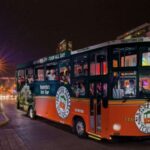
Other hop-on hop-off trolley tours we've reviewed in Nashville
Where to check in—and how to start wherever you want
If you’d rather do the straightforward version, the main check-in is downtown at the ticket booth at 128 4th Ave S, near Symphony Place (cross street: 4th Ave S). Your ticket is a mobile ticket, which keeps things simple on the day.
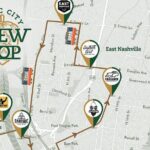
But here’s the real win: you can start at any of the 13 stops. Stop #1 is at Motorworks Village, 1305 Clinton Street, and the other stops are placed so you can jump on and off near major attractions.
A small practical tip: keep an eye on time and don’t wait until the last minute at the stops with weekday cutoff rules (more on that below). Also, the route can shift depending on the day—so I’d check the most current route details when you’re there.
Stop-by-stop plan: what each area is good for
One lap takes about 90 minutes (the whole experience runs around 1 hour 30 minutes). If you’re smart about it, you can turn that into a full-value sightseeing strategy: ride the first round to understand the layout, then spend your extra time where you actually want to linger.
Stop 1: Marathon Village (start here if you want shops and food)
Marathon Village is a good starting point if you want an easy beginning with practical surroundings—shops and food nearby help you fuel up before you go into the “see everything” mode.
Stop 2: Centennial Park and the Parthenon (your big green reset)
This is where the city breathes. Centennial Park gives you a classic Nashville landmark in a comfortable outdoor setting, and the Parthenon connection makes it feel more than just another park stop. If you’re traveling with kids or you just want a break from crowds, this stop often works well.




Stop 3: Midtown Nashville (a slice of modern Nashville)
Midtown is a practical transition zone. You get a sense of what’s beyond the core downtown highlights—use it to check out the vibe and decide whether you want to come back later.
Stop 4: Belmont Mansion / Belmont University (history plus a sense of place)
Belmont Mansion is the kind of stop that makes the tour feel like more than transportation. You get an easy launch point for exploring that historic area, and the Belmont University setting helps you understand how the city blends culture, education, and music identity.
Stop 5: The Gulch (shops, dining, and public art)
The Gulch is where you’ll see Nashville’s modern side clearly. It also includes public-art-style highlights (like the What Lifts You Wings mural area mentioned in the stop description). If you like quick photo stops and casual browsing, this is a strong mid-route moment.
Stop 6: Union Station Nashville Yards + Frist Art Museum (downtown energy with options)
Union Station Nashville Yards is a major anchor for downtown. Add the Frist Art Museum nearby, and you’ve got a solid “choose your next move” stop: art lovers can dip in, and everyone else can keep it flexible.
Stop 7: Country Music Hall of Fame and Museum (if you only do one museum…)
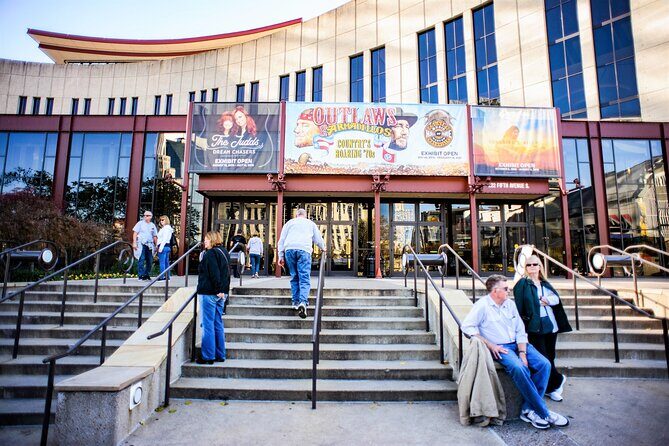
This is one of the headline stops. Even if you don’t go inside right away, the stop itself sets expectations: you’re in the heart of country music storytelling.
Stop 8: 201 Broadway (downtown landmark area)
Broadway is Broadway for a reason. Stop 8 puts you right where you’d want to be if your day includes live-music venues, classic Nashville street energy, and all the “this is where it happens” energy.
Stop 9: 116 5th Ave N (Ryman Auditorium) (Music City at volume)
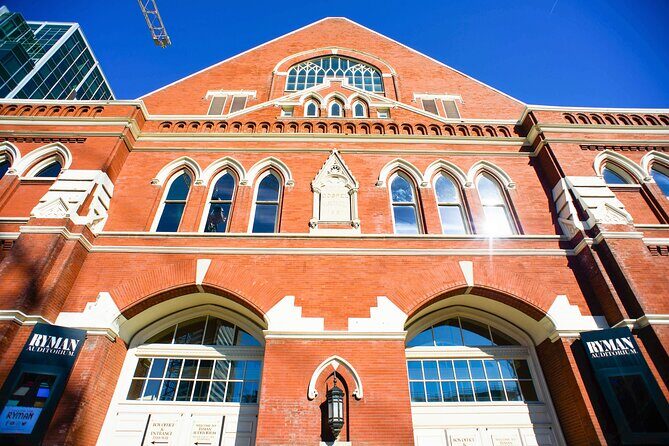
Ryman Auditorium is a big one. If you’re doing a music-venue day, this is your “pay attention” stop because it’s the kind of place you’ll keep hearing about once you start learning Nashville’s music history.
Stop 10: Legislative Plaza / TPAC (culture and civic Nashville)
This stop ties together a more official side of the city—Legislative Plaza and TPAC (Tennessee Performing Arts Center). It’s a useful contrast to the music-only focus because it shows how performance culture and city identity overlap.
Stop 11: Musicians Hall of Fame and Museum (music storytelling for the curious)
If you want more music history after the big museums, Musicians Hall of Fame gives you another strong stop. This is the kind of place where even a short visit can add context to the artists and eras you’ve been hearing about on the trolley.
Stop 12: Nashville Farmers’ Market / Bicentennial Plaza (eat + wander options)
This stop is built for people who want a break from attraction hopping. The Farmers’ Market area and Bicentennial Plaza make it a good “reset and snack” moment. Since the trolley doesn’t include food, this is the practical stop to plan for lunch or a late snack—depending on timing.
Stop 13: Capitol View (wrap with a viewpoint feel)
Capitol View is a nice closing move. Even if you only take a few photos and a quick walk around, it gives you a sense of where the tour ends and where the city’s civic center sits in relation to everything else.
The 3:30pm weekday cutoff at stops 7–10
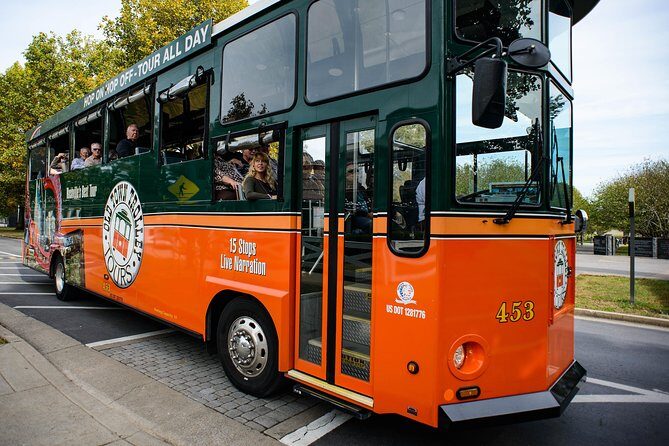
Here’s the thing you should treat like a rule, not a suggestion: stops 7–10 close at 3:30pm Monday–Friday, and no trolleys will depart or stop there afterward.
So if you want the Country Music Hall of Fame (stop 7), Broadway (stop 8), the Ryman Auditorium (stop 9), or Legislative Plaza/TPAC (stop 10), you need to plan your arrival earlier. My practical approach: aim to be back on the “downtown music block” before late afternoon, then let the later hours become a time for museums (11), markets (12), and easy finishing points (13).
Also, keep in mind that downtown events can create traffic and longer stop delays. If you’re tight on time, don’t treat the trolley like a guaranteed minute-by-minute thing late in the day.
Live narration: the difference between hearing facts and getting context
The tour is fully narrated with live onboard commentary. It’s not just a list of names. The guides are trained through a rigorous program, and the delivery has a friendly tone that tends to make the ride feel lighter than “museum-on-wheels.”
And the narration seems to connect with how people actually experience Nashville. The sound effects, and the occasional music/history storytelling style, help you understand why certain places matter—especially when you’re looking at a venue and realizing it fits into a larger music path.
In the guide mix, names show up often, including CB, Sam, Owen, JR, Tall Tale, Spaghetti, Jung, Martell, and Buck. I can’t promise which guide you’ll get, but it’s a strong sign that the guides vary while keeping the same overall tone: informative, upbeat, and easy to listen to.
Comfort and logistics: open-air windows, winter warmth, and stroller rules
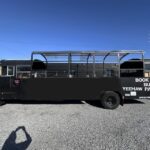
These are open-air trolleys with plastic windows that you can roll up or down depending on weather. That’s a big deal in Nashville, because the conditions can change quickly and you’ll feel it more than you would in a fully sealed bus.
Good news: in winter, the trolleys are heated. That matters if you’re riding in cooler months and you still want that outside-air feeling without freezing.
Practical stuff that can save you hassle:
- Strollers are allowed if they’re collapsible, and they’re stored up front with the conductor (strollers in the aisle are not a safety move).
- Storage is limited, so large luggage may be tricky, though a small suitcase can be acceptable in some cases.
- Alcohol isn’t allowed on board. Food and non-alcohol drinks are allowed, but plan to grab meals at stops where you can get what you need.
Value for $53.72: when it makes sense (and when it doesn’t)
At about $53.72 per person, you’re paying for three things: guided context, easy hopping between areas, and not having to drive/park. That’s a fair deal if you’re doing a first visit, don’t have a car, or you want to compress the city into a manageable day.
The value jumps even more when you use it smart:
- Do one full loop to understand the city and pick your favorites.
- Then get off at your top locations for the time you want—museums, parks, and longer walks.
- If you’re coming from far outside downtown, the trolley also helps you avoid the time cost of rideshare back and forth.
If you’re the type who already has every attraction picked and you’re comfortable driving/parking between them, this may feel a bit like paying for guidance you could replicate with a self-guided route. But most people find the guided part is what keeps it worth the money.
Best fit: who this tour suits best
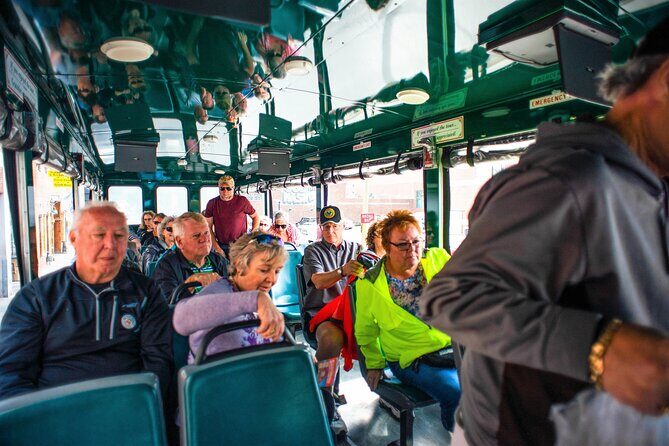
This is ideal if you:
- Want an easy first-day introduction to Nashville layout and key landmarks.
- Don’t want to deal with parking and traffic.
- Appreciate live narration and would rather have someone else handle the routing.
- Need a flexible plan with hopping options—especially if your group has mixed interests.
It also works well for families, couples, and solo travelers. The biggest variable is timing: if you want stops 7–10 on a weekday, you need to be there before 3:30pm.
Should you book? My honest recommendation
I’d book this if you want a smooth, guided way to see Nashville without turning your day into a transportation puzzle. The live commentary, the 13-stop coverage, and the option to hop on/off at your pace make it one of the more practical ways to get oriented.
Skip it—or at least plan carefully—if you’ll be arriving late on a Monday–Friday and you specifically care about the big downtown music venues in stops 7–10. In that case, you may lose access to those stops after the cutoff, and you’ll need to shift your priorities to the later-route options like Musicians Hall of Fame (11) and the Farmers’ Market (12).
FAQ
FAQ
Can I board the Nashville Trolley Tour at any of the stops?
Yes. You can start your tour at any of the 13 stops along the route.
How long is a full rotation of the trolley?
A full loop is about 90 minutes.
How many stops are on the route?
There are 13 stops.
Is the tour narrated?
Yes. The trolley includes live onboard commentary in English.
Are food and drinks included?
Food and drinks are not included. You can have food and drinks while on the trolley, but alcoholic beverages are not allowed.
Which parts of the route close at 3:30pm on weekdays?
Stops 7 through 10 close at 3:30pm Monday through Friday, and no trolleys will depart or stop there afterward.
Does the tour run on major holidays?
No. It does not operate on July 4th, Thanksgiving, or Christmas Day.
What happens if weather is bad?
The tour requires good weather. If it’s canceled due to poor weather, you’ll be offered a different date or a full refund.
Can I get a refund if I cancel?
Yes. You can cancel up to 24 hours in advance for a full refund. If you cancel less than 24 hours before the start time, the amount paid is not refunded.