REVIEW · BELLE MEADE MANSION TOURS
Journey to Jubilee Guided Tour at Belle Meade with Wine Tasting
Book on Viator →Operated by Belle Meade Historic Site & Winery · Bookable on Viator
This tour hits hard, in a good way. Journey to Jubilee at Belle Meade is a walking, discussion-first experience that centers the people who were enslaved, later emancipated, and then pushed into new forms of labor. I love how it uses primary-source research instead of vague talking points, and I also like that you get grounds access after the guided portion instead of rushing you out the door.
One thing to consider: this isn’t a mansion-prioritized tour. If you want long time inside the house or tons of photo-friendly stops, plan to spend more of your visit listening and walking the site’s outbuildings and grounds, with mansion tours sold separately.
In This Review
- Key Things to Know Before You Go
- What Journey to Jubilee Is Really About at Belle Meade
- The 90-Minute Plan: What Happens During the Guided Part
- What you’ll see and learn on the walk
- Outbuildings and Grounds: The Part That Makes the Story Feel Concrete
- A note on expectations
- Grounds Access After the Tour: How to Extend the Visit
- The Complimentary Wine Tasting: What It Is and How to Think About It
- A balanced way to evaluate it
- Price and Value: Why $33 Can Feel Both Fair and Specific
- Timing, Weather, and Getting There Without Stress
- What Kind of Traveler Will Enjoy This Most
- Accessibility reality check
- So, Should You Book Journey to Jubilee at Belle Meade?
- FAQ
- How long is the Journey to Jubilee guided tour at Belle Meade?
- Is the wine tasting included in the ticket price?
- Do I get access to the mansion with this tour?
- Where do I meet for the tour?
- Is there parking available?
- How old do you have to be to join the tour?
- What should I wear or prepare for since it’s outdoors?
- What is the cancellation policy?
Key Things to Know Before You Go
- Discussion over theater: expect real conversation and prompts, not just a slideshow lecture
- Primary-source framing: the guide builds the story through documented evidence
- Outbuildings and grounds focus: you’ll walk the places tied to daily labor and operations
- Complimentary wine tasting included: a short tasting at the on-site winery follows the tour
- Up to 20 people max: smaller groups make it easier to hear and ask questions
- Outside walking with stairs: wear shoes you trust for uneven paths and steps
What Journey to Jubilee Is Really About at Belle Meade
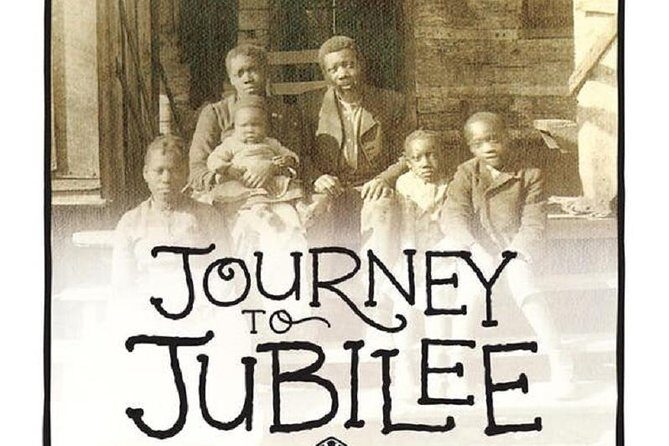
If you’re coming to Nashville for history, this is the kind that asks you to pay attention. Journey to Jubilee at Belle Meade is structured as a guided discussion about enslavement in the American South, with a specific focus on Black Americans who were enslaved at the plantation and who remained tied to the property after emancipation through contract labor.
The tone matters. The tour is designed to be intense and thoughtful, and it has an interpretive approach that doesn’t try to soften the subject. You’re not just being told facts. You’re guided to think about how a plantation worked as a system, and what it meant for the people whose labor made the property function.
I also appreciate that the tour doesn’t treat history like a single moment in time. It stretches nearly a century of experience, showing how people endured, adapted, and pursued freedom while facing new barriers after emancipation. That arc makes the story feel less like a history “chapter” and more like a long struggle with real continuity.
Other Belle Meade Mansion tours we've reviewed in Nashville

The 90-Minute Plan: What Happens During the Guided Part
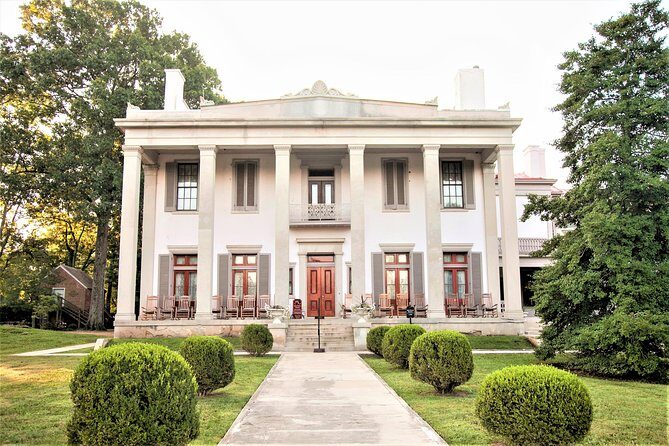
Plan for about 1.5 hours of guided time, and expect most of it to be outdoors. You’ll meet at 5025 Harding Pike, Nashville, and you should arrive roughly 20 minutes early to redeem your voucher at the Visitor Service desk. From there, you’ll be routed to your tour group.
The pace is built around walking plus stops for discussion. The format is important: many people do best when they treat this as a conversation with a purpose. The guide leads with prompts and questions, then ties your responses back to the research they’ve gathered.
Here’s the core of what you’ll cover: the tour explores how enslaved men and women lived and labored at Belle Meade, and how their presence was vital to the property’s existence. You’ll also get the history of how the plantation’s story continues to matter today—because the “after” matters, not just the “before.”
What you’ll see and learn on the walk
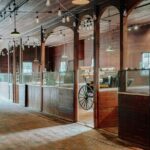
The guided portion centers on Belle Meade’s outbuildings and grounds. You’re not spending all your time in one room, and you’re not treating the mansion as the main attraction. Instead, the story is grounded in how plantation life operated day-to-day: the work, the movement, and the spaces connected to labor and management.
One practical takeaway: if you want to take pictures, do it with care. The tour is serious, and the best moments often come while you’re listening, so you’ll likely want to alternate between looking closely and jotting down questions for the guide.
Outbuildings and Grounds: The Part That Makes the Story Feel Concrete
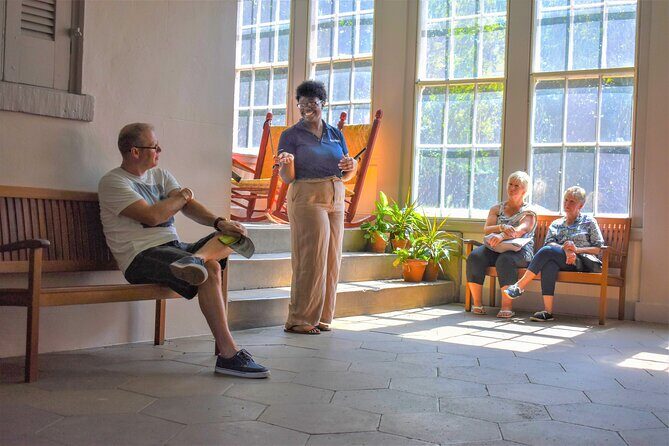
This is the section where the tour earns its keep. Belle Meade isn’t asking you to imagine plantation life from a distance. The guide brings your attention to the physical site and the surrounding grounds, so you can understand the plantation as a working place, not just an old building.
A few key points make this especially valuable:
- The tour is set up to honor the people whose labor shaped the property. That matters because plantations are often framed only through architecture and owners. Here, the emphasis stays on the people.
- You’ll hear about the ways enslaved labor transitioned after emancipation into contract arrangements. That helps explain why freedom wasn’t a clean break for everyone.
- The tour leans on documented evidence. When the guide points to what’s known and what isn’t, it keeps the discussion honest, even when it’s uncomfortable.
A note on expectations
Some visitors come expecting a visual, sight-heavy plantation circuit. This one is more about meaning than spectacle. You might find the tour feels “discussion heavy,” especially if you’re used to audio tours or mansion-centered visits.
That doesn’t mean it lacks substance. It means the value is in interpretation: hearing how researchers connect primary sources to specific places on the property.
Other food & drink experiences in Nashville





Grounds Access After the Tour: How to Extend the Visit
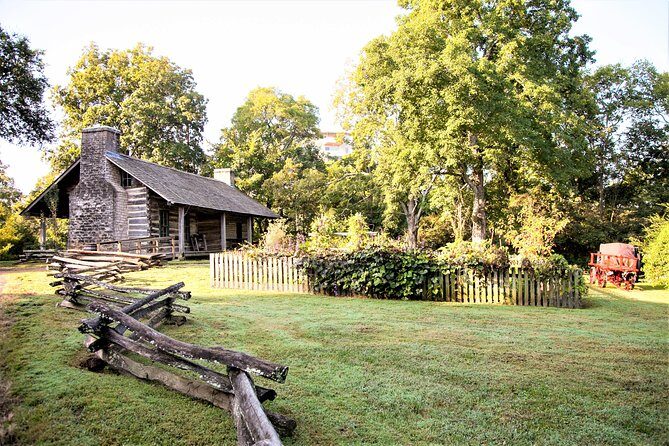
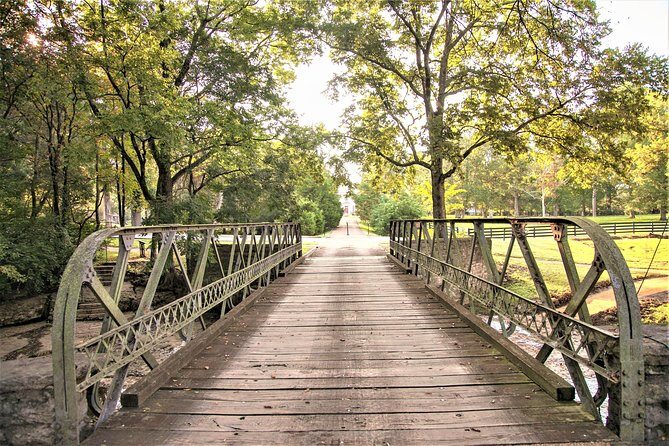
One of my favorite parts of this experience is that you’re not locked into a single clock. After the guided portion, you’ll have access to the 30 acres of grounds to explore at your leisure. That gives you a real choice: linger where you felt moved, step back and take in the full property, or slow down if you want to understand the layout better after the story makes sense.
The site also includes access to areas you can use to take a breather:
- the Outdoor Game Court
- the on-site restaurant
This is a smart add-on because plantation-history tours can leave you drained. Having a place to regroup helps you turn what you learned into something you can actually carry with you.
The Complimentary Wine Tasting: What It Is and How to Think About It
Wine tasting shows up in the middle of a history lesson, so you should go in with your own mental framing. The tour ends with a complimentary wine sampling at the Belle Meade winery on site.
Practically, it’s a short pause that brings the visit back to a slower pace. The tasting can feel like a palate reset after a tough topic, and it’s included in the ticket price.
There’s also a purpose statement connected to the tasting. The funds from the experience are used to support historic preservation and the work tied to keeping research and interpretation going.
A balanced way to evaluate it
It’s fair to ask yourself what you’re paying for here. Your ticket includes:
- the guided history experience
- the tasting
- grounds access afterward
So the tasting isn’t just a bonus drink. It’s part of the model that keeps the site open and supports ongoing work. If you choose to purchase more later, you can decide how comfortable you feel with the connection between commemoration and alcohol sales. That’s personal, and it deserves your attention.
Price and Value: Why $33 Can Feel Both Fair and Specific
At $33 per person, this tour sits in a modest range for a guided, research-based experience that includes more than just a talk. You get:
- about 1.5 hours of guided walking and discussion
- guided access focused on outbuildings and grounds
- complimentary wine sampling
- time to explore the grounds after the tour
- free on-site parking
The value here is in the format. Plantation tours often charge extra for mansion access or for guided interpretation. This one keeps the ticket focused on the story of enslavement and the long arc after emancipation—while still giving you space to roam once you’ve heard the context.
One more value factor: the group size is capped at 20 travelers, which helps the guide manage the pace and makes it easier for people to hear and interact. If you’re someone who tunes out when groups get too big, that cap matters.
Timing, Weather, and Getting There Without Stress
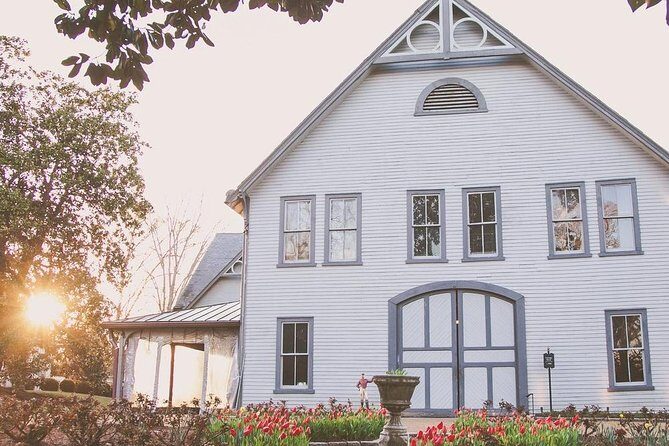
This experience depends on good weather and takes place outside with walking and several sets of stairs. That affects both comfort and what you’ll remember. Wear supportive shoes. Bring a light layer if weather flips during your visit.
You’re also near public transportation, but the simplest plan is the one provided: free on-site parking. If you’re driving, arrive a little early so you can redeem your voucher calmly.
The tour is limited to age 12 and older, and it notes that the subject matter is intense. If you’re bringing teens, it can be a powerful learning moment, but I’d think through timing and emotional readiness.
What Kind of Traveler Will Enjoy This Most
This is a great fit if you want:
- a discussion-based history experience that pushes beyond “tourist version” summaries
- an honest look at the lives of enslaved people and what came after
- a site visit where you can keep exploring afterward
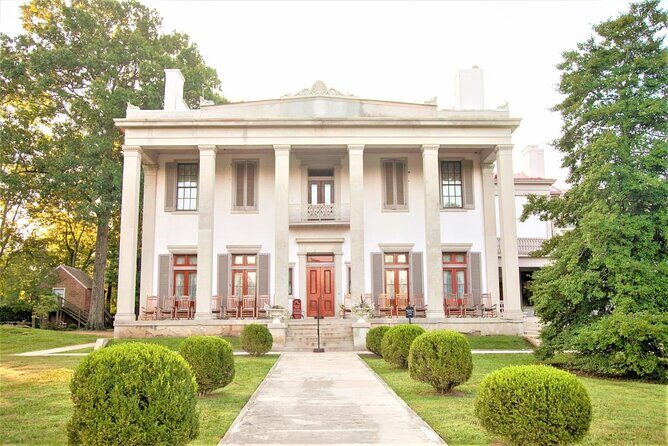
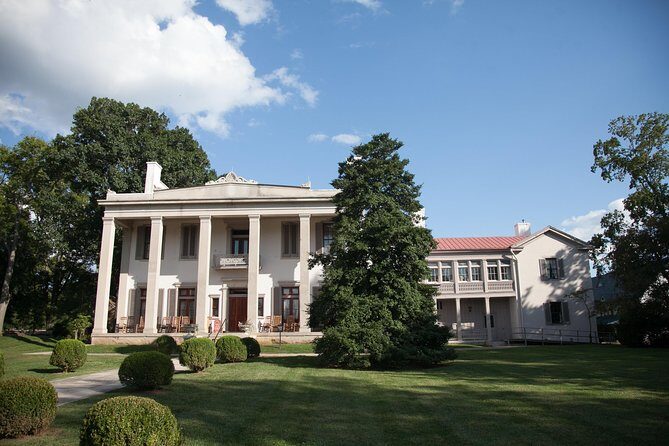
It’s less ideal if you want a classic mansion tour experience as the main event. Mansion tours aren’t included with this ticket and are offered separately. So if your top priority is interior mansion time, you may be happier building your day around the mansion option and using this for the interpretive layer.
Accessibility reality check
If you can’t stand or walk for extended periods of 30 minutes or more, this may be difficult. Also, since the tour is outdoors with stairs, plan accordingly. Service animals are allowed, which is helpful if you rely on one.
So, Should You Book Journey to Jubilee at Belle Meade?
I’d book it if you’re looking for a guided Nashville-area plantation experience that centers enslaved people and their long aftermath, not just architecture and big-name dates. The combination of guided interpretation, small-group size, and grounds access afterward makes it feel worth the time.
I’d pause before booking if you’re hoping for a heavily visual tour, with the mansion as the main focus. This one is designed to make you think while you walk the grounds, then let you explore on your own afterward.
If you do book, go in with the mindset of a learning walk, not a casual stroll. Bring questions. Expect emotion. Then use the extra grounds time to slow down and connect what you heard to what you see.
FAQ
How long is the Journey to Jubilee guided tour at Belle Meade?
It runs about 1.5 hours for the guided portion.
Is the wine tasting included in the ticket price?
Yes. The ticket includes a complimentary wine tasting session at the on-site Belle Meade winery.
Do I get access to the mansion with this tour?
No. Guided mansion tours are not included with this ticket. Mansion tours are available separately.
Where do I meet for the tour?
The tour starts at 5025 Harding Pike, Nashville, TN 37205, USA, and ends back at the meeting point.
Is there parking available?
Yes. Free on-site parking is available.
How old do you have to be to join the tour?
The tour is limited to those aged 12 and older.
What should I wear or prepare for since it’s outdoors?
The tour takes place outside and involves walking and several sets of stairs, so wear shoes you can comfortably walk in for extended time.
What is the cancellation policy?
Free cancellation is available up to 24 hours in advance for a full refund. If you cancel less than 24 hours before the start time, the amount paid is not refunded. The experience also requires good weather, and if canceled due to poor weather you’ll be offered a different date or a full refund.