REVIEW · CYCLING TOURS
Nashville’s Historic Electric Bike Tour
Book on Viator →Operated by Wander Nashville · Bookable on Viator
Two hours in Nashville feels efficient.
This historic electric bike tour strings together Music Row, Lower Broadway, and Downtown landmarks in one smooth loop, with a guide who brings the city’s stories to life as you ride. I also like that you get a personal listening device so the commentary stays with you while you keep moving. Just plan for one possible catch: in louder areas, you might struggle to hear every word over traffic.
What makes the experience especially fun is the way the route balances music stops with real street-level history and quick photo moments—so you see more than just one famous strip. It’s also priced like an “included equipment” tour, since the ride kit is part of the deal: bike plus helmet and safety vest, along with that narration setup. The only real drawback to weigh is the occasional comfort or tech hiccup (a small number of riders noted equipment or audio problems), so if your bike confidence is low, give yourself extra grace.
In This Review
- Quick hits to know before you roll
- Who should take Nashville’s Historic Electric Bike Tour?
- Price and value: what $69.99 really buys
- Where the tour starts: the 144 5th Ave N meeting point
- Getting the e-bike basics right (and why it matters)
- Downtown Nashville first: setting the tone and easing into the route
- Music Row: studio blocks and the machine behind the hits
- The Honky Tonk Highway: live music energy on Lower Broadway
- The iconic purple-hued honky-tonk and why it’s more than a stop
- Grand Ole Opry area to Printer’s Alley: famous stages and side corridors
- Marathon Village and The Gulch: from industrial Nashville to what’s next
- Sports stops: Nissan Stadium and Bridgestone Arena without the ticket lines
- Museums from the saddle: what you see near the Country Music Hall of Fame
- Capitol Mall State Park, the Tennessee Capitol, and Vanderbilt edge views
- Union Station and RCA Studio B: architecture you can feel plus the studio stop
- What I’d watch for on your ride day
- The guide makes or breaks it: Bee, Cash, Donny, and the storytelling style
- Should you book this Nashville Historic Electric Bike Tour?
Quick hits to know before you roll
- Helmet audio that matches the route: you hear the guide through a built-in speaker setup, which helps you stay focused while riding
- Music Row + Lower Broadway in one run: studios and industry blocks paired with the drink-and-music corridor on Broadway
- Easy-going pace with electric help: e-bikes handle hilly stretches without turning the trip into a workout
- Real landmarks, not just storefronts: you pass major venues like Bridgestone Arena and Nissan Stadium and keep going
- Stops that mix photo ops with actual places: from Printer’s Alley to Union Station exteriors
- Small-group feel: maximum group size is 12, which keeps the ride from feeling chaotic
Who should take Nashville’s Historic Electric Bike Tour?
This is a great pick when you want a fast, story-led way to cover a lot of Nashville without hunting for parking, juggling Ubers, or wasting daylight. You’ll spend about 2 hours total, with roughly 1 hour and 40 minutes riding, plus short orientation and an intermission.
The ride style fits people who are comfortable sharing the road a bit and can handle normal city riding. You’ll also need to be able to mount, dismount, and operate an adult-sized e-bike, and you may have moments where you need to power yourself even with pedal assist. If you’re unsure about balance or strength, don’t guess—ask before booking.
If you love music trivia, venue lore, and “why this place matters” details, this route is built for you. Guides like Bee (often spelled Bee/Bailey in guides you’ll see) and Cash are singled out for energy and storytelling, and Donny is praised for safety-first handling and clear guidance.
Other cycling tours in Nashville


Price and value: what $69.99 really buys
At $69.99 per person, the best value comes from what’s included versus what you’d otherwise pay separately. Your ticket covers:
- Use of the bicycle
- Helmet and safety vest
- Personal listening device
- Access to exclusive discounts for additional tours and attractions
That matters in Nashville, where renting a bike plus getting guided narration can quickly cost more than the headline price suggests. Also, several stops are listed as free admission, and two are explicitly marked as included (Printer’s Alley, and Bicentennial Capitol Mall State Park). RCA Studio B is the one big name that is not included.
You’re paying for guided access to neighborhoods, not just sightseeing from a bus window. And because the group is small (max 12), the guide can keep everyone moving without turning the day into a traffic jam.
Where the tour starts: the 144 5th Ave N meeting point
You meet at 144 5th Ave N, Nashville, TN 37219, and the tour ends back at the starting point. That back-to-start setup is handy if you’re planning a meal right after.
It’s also described as near public transportation, which is a win if you’re trying to avoid ride-share surges or parking hassles. The start time can shift by about plus or minus 5 minutes, based on pacing and delays from previous tours, so treat the scheduled time as a target, not a hard promise.
Getting the e-bike basics right (and why it matters)

Before you roll out, there’s a short orientation segment (around 10 minutes). This matters because the tour requires safe operation of the e-bike and confident handling in real street conditions.
Here’s what you’ll want to remember:
- You’ll be using adult-sized controls, so your legs need to reach the pedals comfortably.
- You should be able to power yourself at times, even if pedal assist is available.
- If you’re nervous, choose a slower learning moment at the start rather than trying to “tough it out.”
One of the strongest themes in the experience is how guides handle safety and instructions. Several riders specifically called out guides being patient, quick to fix small equipment issues, and attentive while riding.
Downtown Nashville first: setting the tone and easing into the route
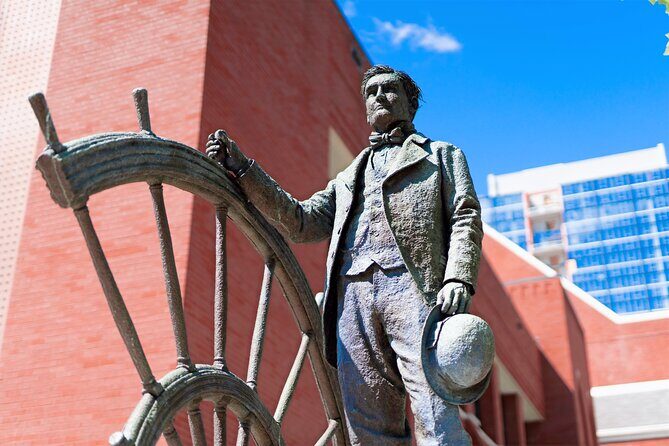
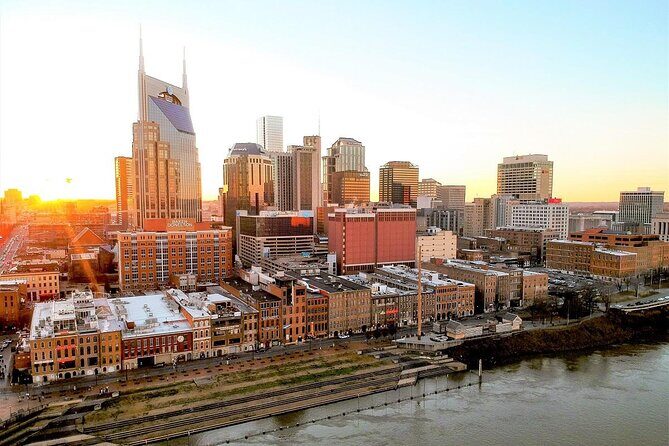
The tour kicks off in Downtown Nashville with your guide meeting you in the heart of the area. This is where you’ll feel the tour’s rhythm: move, listen, spot landmarks, and keep rolling.
You’ll get your equipment right away, and you’ll start seeing the city layout in a way you just don’t get from walking tours. The electric assist makes it realistic to cover a route that includes busy streets and some incline without feeling drained.
Other historical tours in Nashville

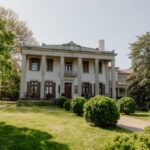

Music Row: studio blocks and the machine behind the hits

Next up is Music Row, the part of Nashville built around recording studios, labels, management offices, and the support industries that make music happen.
This stop works best for two types of people:
- You’re a music fan who wants the names behind the streets.
- You like cultural geography—how an industry shapes a whole neighborhood.
The tour highlights how major artists have recorded there, with examples like Taylor Swift, Dolly Parton, Elvis Presley, Garth Brooks, Johnny Cash, Reba, and others. Even if you don’t know every studio name, you’ll leave with a clearer mental map of why Music Row matters.
The Honky Tonk Highway: live music energy on Lower Broadway
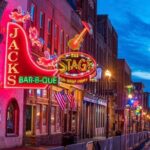
Then you move into the Lower Broadway zone known as the Honky Tonk Highway—a compact five-block strip where venues focus on live music, drinks, and dancing. The vibe here is built for long hours: the strip runs from 10am to 3am daily.
This is a very different mood from Music Row. Studios are about craft and production; Honky Tonk Highway is about performance in real time. You’ll pass venues like Ole Red, Luke’s 32 Bridge, Acme Feed and Seed, Hard Rock Cafe, Robert’s Western World, and more.
You’ll also notice how the guide connects the dots between music culture and the sidewalks you’re actually rolling through. That’s where storytelling can turn a quick pass-by into something memorable.
The iconic purple-hued honky-tonk and why it’s more than a stop
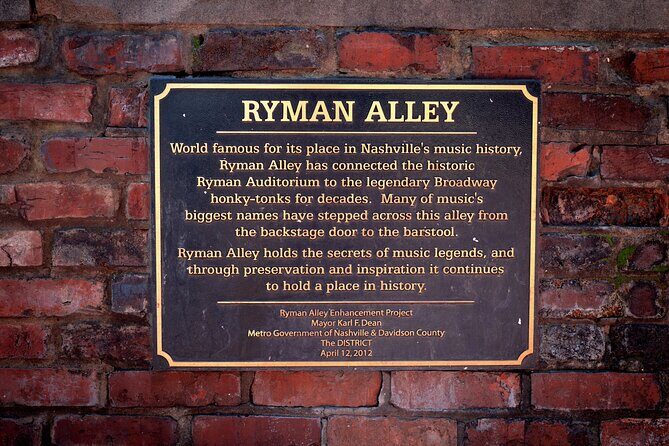
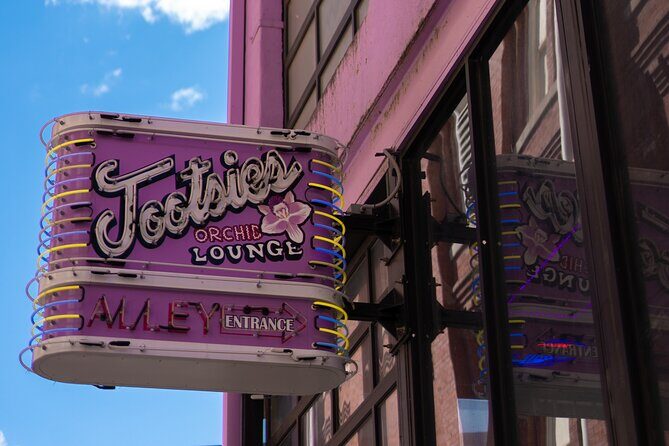
The tour also includes a classic Honky Tonk with a legendary purple hue, described as a proving ground for artists moving through Nashville—stretching from early country figures to more modern music pass-throughs.
Since the tour doesn’t ask you to hang around for hours inside, this works well if you’re trying to see the city’s key spaces quickly. It’s also a reminder that Nashville’s music scene isn’t just one museum or one stage—it’s a network of rooms where performers sharpen their craft.
If you want to add a drink or listen longer, that’s the part of the day where you’ll naturally feel the pull. The tour keeps it moving, though, so you don’t miss the rest.
Grand Ole Opry area to Printer’s Alley: famous stages and side corridors
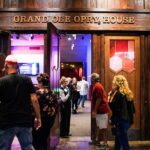
The route then heads toward the home of the Grand Ole Opry, described as an iconic stage and a National Historic Landmark and a Rock and Roll Hall of Fame sight. Even just passing by with context feels different than seeing it as a generic landmark.
After that, you roll into Printer’s Alley, marked as an admission-included stop. This is one of the areas that gives Nashville a “two layers” effect: on the surface it’s entertainment space, but it’s also tied to older entertainment formats like speakeasies and even unusual historic uses.
It’s described as Nashville’s original live entertainment neighborhood, with ties to names like Elvis Presley, Jimi Hendrix, Frank Sinatra, and others. The value here is the contrast: you’re not just chasing the biggest brand names—you’re also sampling the smaller corridors that shaped the city’s nightlife history.
Marathon Village and The Gulch: from industrial Nashville to what’s next
Next is Marathon Village, a former vehicle manufacturing factory now focused on crafts, artists, vendors, and boutique shopping. It’s an interesting shift because it shows how Nashville repurposes industrial space instead of replacing it all.
Then comes The Gulch, Nashville’s fastest growing high-end neighborhood, with hotels, restaurants, shops, and art. Two specific photo hooks are called out:
- The famous angel wings artwork portraying What Lifts You, by Kelsey Montague
- The area around Union Station, including the chance to snap photos from the outside
The Gulch stop also includes a mention of Station Inn, associated with bluegrass music. Even if you don’t enter, you’ll get that sense of place that only comes from seeing the neighborhood pattern on a ride.
Sports stops: Nissan Stadium and Bridgestone Arena without the ticket lines
If you’re a sports fan, you’ll appreciate how the tour includes major venues:
- Nissan Stadium, home to the Tennessee Titans, plus college bowl events and large festivals
- Bridgestone Arena, home to the Nashville Predators, plus concerts and other big indoor events
You’re not going in for a game, but you do get proximity to the energy of venues that shape the city’s calendar. That makes the tour feel practical for anyone visiting during event season or who just wants to understand how big Nashville’s entertainment footprint really is.
Museums from the saddle: what you see near the Country Music Hall of Fame
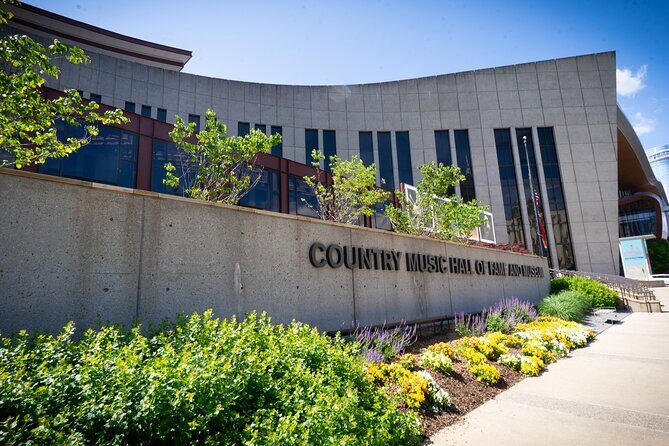
The route passes the Country Music Hall of Fame and Museum, described as a major museum and research center devoted to American vernacular music. It’s also cited as having accumulated extensive music collections since its founding in 1964.
You’ll also pass the Musicians Hall of Fame and Museum, which focuses on artists who worked behind the scenes—regardless of genre or instrument.
Even without stepping inside, these passes help you connect Nashville’s music culture to institutions that preserve it. If you’re the type who loves a museum day, this portion gives you a reason to plan that extra visit.
Capitol Mall State Park, the Tennessee Capitol, and Vanderbilt edge views
Later in the ride, you reach Bicentennial Capitol Mall State Park, marked as admission-included. It’s a prime photo area and a shift from music intensity to government-and-views Nashville.
The tour also includes the Tennessee State Capitol area, noting a Greek-revival building and the chance for panoramic views of Downtown. You’ll get a quick sense of the city’s layout from higher perspective points, which makes the route feel like it has range.
As you exit Music Row, you briefly skim the south edge of Vanderbilt’s campus. The ride-by view includes mentions of its iron-fenced, magnolia-lined campus character. It’s a short moment, but it helps you understand Nashville beyond its performance spaces.
Union Station and RCA Studio B: architecture you can feel plus the studio stop
Near the end, you get Union Station, described as one of Nashville’s most stunning architectural pieces and a gateway between western neighborhoods and Downtown. The building’s exterior is restored and connected to a luxury boutique hotel, but you’re primarily there for the landmark impact.
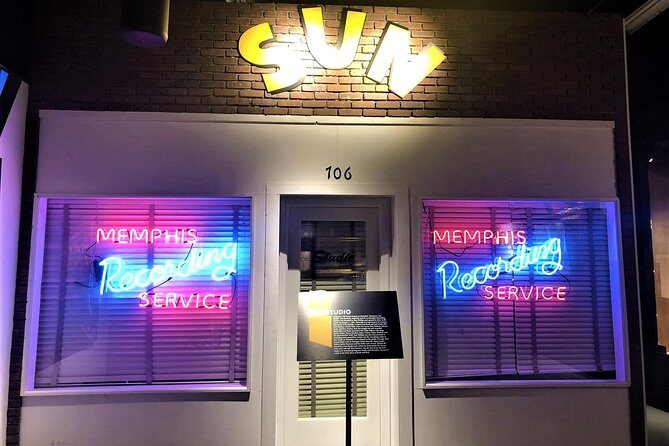
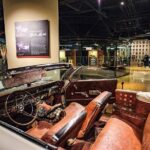
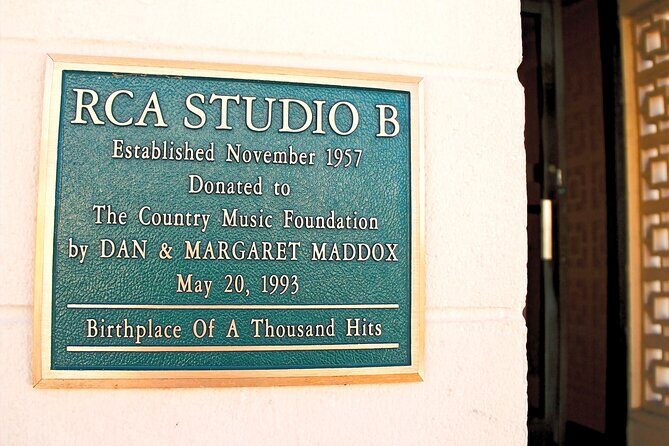
Then comes RCA Studio B, built in 1957 and described as the birthplace of the Nashville Sound style—featuring background vocals and strings that helped establish Nashville as a major international recording center. This stop is RCA Studio B admission not included, so if you want the full studio experience, plan for that added cost.
Finally, the tour loops back through Music Row again, with Music Row studio references that include big-name artists and a reminder that the neighborhood is where Nashville’s recording legacy is physically built into the streets.
What I’d watch for on your ride day
This tour is designed to feel fun and movement-friendly, but a few real-world considerations can shape your experience.
- Hearing the guide: the narration uses a speaker-based listening setup, but traffic noise can make it harder in busy zones. Construction or route changes can also affect how clearly you hear audio at times.
- Bike comfort: most riders find the e-bikes easy to ride, and electric help makes hills manageable, but a small set of riders noted seat comfort issues.
- City riding conditions: you may encounter heavy vehicle traffic and construction-adjacent detours. That doesn’t mean the tour is unsafe, but it does mean you should stay alert and follow guide instructions closely.
- Time pressure in a good way: at about two hours, it’s a packed route. If you want to linger for photos or go inside every venue, you’ll need to follow up on your own after the tour.
The guide makes or breaks it: Bee, Cash, Donny, and the storytelling style
One of the biggest drivers of satisfaction is guide delivery. People highlighted guides like Bee for high energy, warmth, and storytelling that goes beyond straight facts. Cash is praised for knowledge plus easy conversation, and Donny is recognized for safety and clear riding support.
The tour’s narration approach matters because the stops can be quick passes. If your guide is strong, you’ll catch the meaning behind each street corner: why the neighborhood is shaped that way, what changed over time, and what artists represent for the city.
Also worth noting: the guide attention to safety comes through in the way equipment issues are handled quickly and without drama, and in how nervous riders are supported until they’re comfortable.
Should you book this Nashville Historic Electric Bike Tour?
Book it if you want a high-value, guided, music-and-landmarks route that covers a lot of Nashville in about 2 hours, with equipment and bike narration handled for you. It’s especially smart for first-time visitors who want more than the obvious strip, and for sports, music, and history fans who like walking just enough to orient themselves—then riding to the next stop.
Skip or reconsider if you’re not confident operating an adult e-bike, you expect a quiet ride (traffic noise can interfere with audio), or you want a slow, stop-for-hours sightseeing day. Also be mindful that RCA Studio B is not included, so you’ll want to decide in advance whether you’re adding that interior visit.
If your goal is to get your bearings fast and see how Music Row, Broadway, and Downtown connect, this is a solid booking choice.