REVIEW · MUSEUMS
Musicians Hall of Fame and Museum Admission Ticket in Nashville
Book on Viator →Operated by Musicians Hall of Fame · Bookable on Viator
Music history, but interactive. This ticket bundles Musicians Hall of Fame in downtown Nashville with access to the GRAMMY Museum Gallery®, so you’re not just reading plaques. You’ll see standout artifacts tied to major artists, then switch gears and try music and studio-style activities in a hands-on gallery.
Two big things I’d prioritize: you get close to the tools behind famous songs (like Joe Osborn’s Fender jazz bass and studio equipment), and you can use the GRAMMY-area interactives with private headphones for playing and singing. One thing to keep in mind is timing: it can feel like a “quick stop,” but plenty of people end up staying closer to the high end of the 1–3 hour window once films and interactive stations pull you in.
In This Review
- Key Points at a Glance
- Your Ticket: Downtown Nashville Access and What $28 Covers
- Stop 1: Musicians Hall of Fame and Museum, From Bass Guitars to Recording Gear
- The kinds of exhibits you should look for first
- Why this museum feels worth your time
- A possible drawback to plan around
- GRAMMY Museum Gallery®: Headphones On, Try Instruments, and Go Behind the Studio
- What you can do in the Gallery
- What makes the interactive side valuable (not just fun)
- How Long You’ll Actually Stay (and How to Pace It)
- Getting There and Building It Into a Nashville Day
- Who This Ticket Is Best For
- Should You Book This Musicians Hall of Fame + GRAMMY Gallery Ticket?
- FAQ
- What is the price per person?
- How long does the experience take?
- What are the opening hours?
- Is the ticket good for both museums?
- What is included in the ticket besides museum entry?
- Are souvenirs included?
- What language is the experience offered in?
- Is it near public transportation?
- Can I cancel for a refund?
- How big are the groups?
Key Points at a Glance
- Two museums, one ticket: Musicians Hall of Fame plus the GRAMMY Museum Gallery®
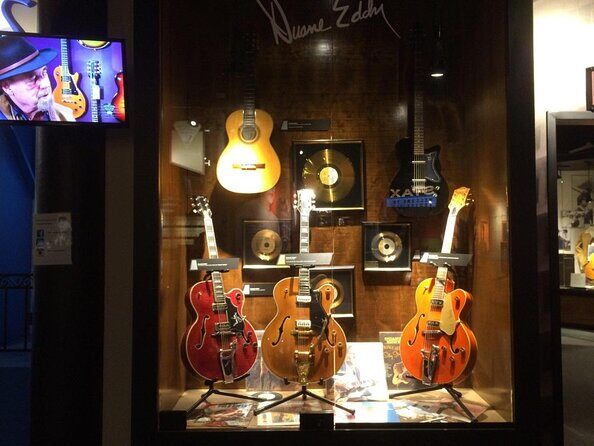
- Actual instruments and studio artifacts tied to big names in American music
- Headphone-based interactives for playing instruments, singing, and recording-style play
- Jimi Hendrix connection including the original stage where a young Hendrix performed
- Plan for pace: a true 60-minute visit is possible, but 2–3 hours is the safer bet
- Small-ish group feel with a maximum of 100 travelers
Your Ticket: Downtown Nashville Access and What $28 Covers
This is a straightforward add-on day in Nashville. The ticket costs $28 per person, and the official hours run Monday through Saturday, 10:00 AM to 5:00 PM. It’s also described as near public transportation, which matters because parking can be a pain in busy downtown areas.
What you’re really paying for is not just entry to one museum. You’re getting one admission that covers both the Musicians Hall of Fame and the GRAMMY Museum Gallery®, plus the chance to use the interactive stations inside the Gallery. Souvenirs are available at the gift shop, but they’re not included, so if you love merch and memorabilia, just budget a little extra.
One detail I appreciate is that it’s scheduled in a way that usually supports a smooth visit. The experience has a maximum of 100 travelers, which keeps it from turning into a total crowd stampede.
A few more Nashville tours and experiences worth a look


Stop 1: Musicians Hall of Fame and Museum, From Bass Guitars to Recording Gear
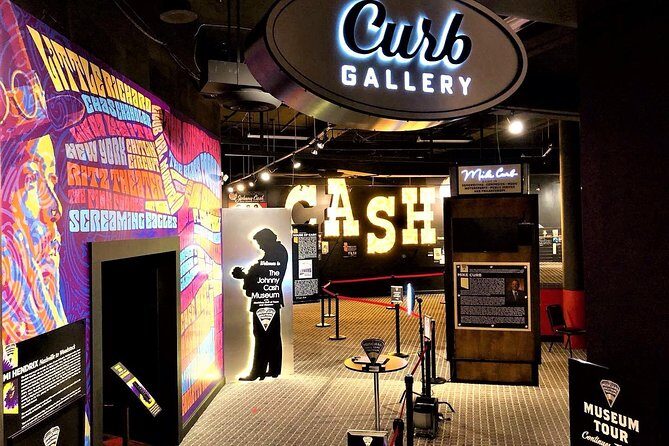
This is the “museum walks and looks” half of the ticket. The Musicians Hall of Fame and Museum sits in the heart of downtown, and it’s built around both performers and the people who made the music work: the instruments, the studios, the stages, and the technology.
The kinds of exhibits you should look for first
I’d start by scanning the big-name artifact areas early, because once you get into interactive stuff, you’ll want those memories fresh. The standout examples in the museum include:
- Joe Osborn’s Fender jazz bass used on hit songs by The Carpenters, Mamas and the Papas, The Grass Roots, and Simon and Garfunkel.
This is the kind of exhibit that changes how you listen. It’s not just about the singer. You see how the “engine” of a hit record can be a bassist you may never have heard of.
- The control board from Jack’s Tracks Recording Studio, where Garth Brooks recorded most of his hits.
If you’ve ever wondered what “studio magic” actually looks like, this is the closest thing you’ll get without booking a recording session. You get that behind-the-console feeling.
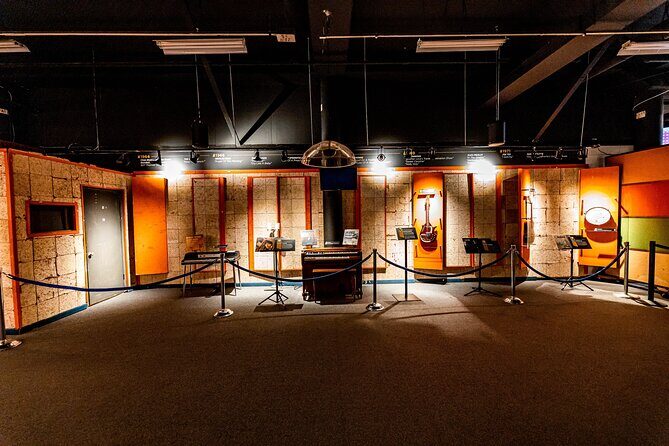
- The original stage where a young Jimi Hendrix performed.
Even if you only know a few Hendrix songs, it’s hard not to slow down here. It’s a physical link to a turning point.
Why this museum feels worth your time
You’ll notice the museum doesn’t treat music like a single spotlight moment. It gives you a bigger view of how songs get made and how careers get shaped. Some exhibits lean more toward “what the audience hears,” while others focus on “what the music needs” (instruments, gear, and the workflow of recording and performance).
A practical note: this is also a museum format that works well if you like to read, but it still offers enough visual and hands-on moments that you’re not stuck only scanning text. One family visit time-checked it as roughly an hour for the museum portion, but then people often continued into the interactive side and films.
A possible drawback to plan around
This part can be more satisfying if you enjoy classic-to-modern music storytelling rather than strictly the newest trends. At least one recent visitor noted that many items didn’t feel recent in scope. If you’re only hunting for brand-new artists and the latest sounds, you might wish you’d paired this stop with something current in Nashville.
Other museum experiences in Nashville






GRAMMY Museum Gallery®: Headphones On, Try Instruments, and Go Behind the Studio
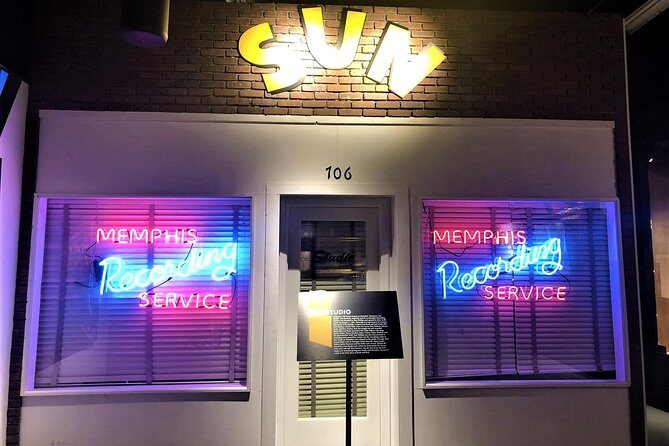
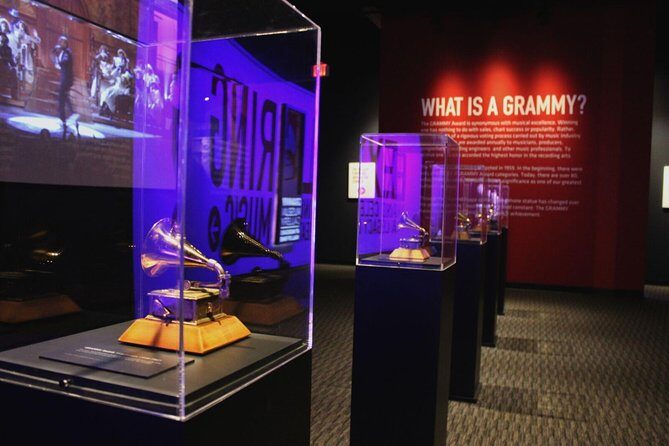
Then you shift to the GRAMMY Museum Gallery®, and the tone changes fast. This is where the ticket turns from “look at artifacts” into “make a little noise and see how production works.”
What you can do in the Gallery
The Gallery uses headphones for privacy, which is a smart setup. It means you can test the interactives without needing to talk over the group.
Inside, you can:
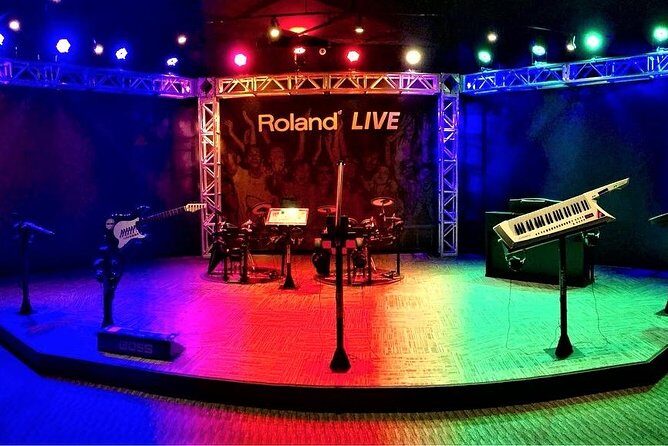
- Play electric drums, keyboard, bass, and guitar through interactive experiences
- Sing along with Ray Charles and the Raelettes
- Explore behind-the-scenes exhibits for songwriting, engineering, and producing, including getting into a booth-style experience
- Try interactive areas connected to singing, recording, and DJing
- Use spaces described as a recording studio and rehearsal room for a more complete recording-style feel
If you’re traveling with teens, this is often the area that makes the whole day click. The “try it yourself” activities tend to work better than passive exhibits when attention spans are split.
What makes the interactive side valuable (not just fun)
Here’s the practical upside. You don’t just press buttons and move on. The exhibits are framed around production steps—writing, engineering, producing—so you start to connect the dots between performance and the final sound. When you finish, you’ll probably listen to the music you already know with more curiosity about what’s happening under the hood.
It also helps that the museum clearly builds in multiple ways to participate: playing instruments, singing, and studio-style activities. If one interactive isn’t your thing, another one probably will be.
How Long You’ll Actually Stay (and How to Pace It)
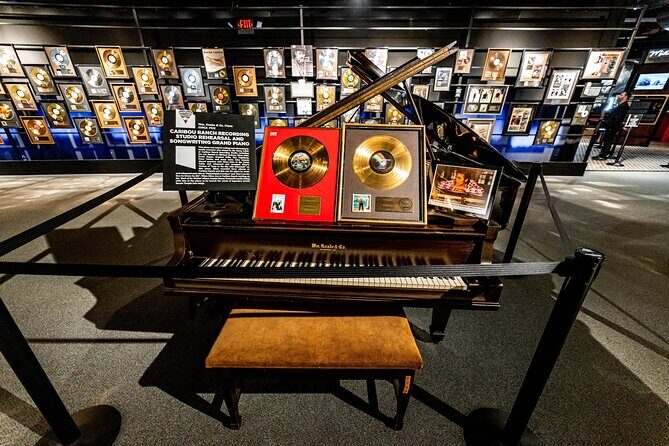
The experience is listed as about 1 to 3 hours, and that range is real. If you’re a fast walker who reads just enough to get the gist, you might hit the low end. But if you watch films, slow down in artifact areas, and spend time at the interactive stations, you’ll likely land closer to 2–3 hours.
A good pacing plan:
- Spend the first chunk on the Musicians Hall of Fame artifacts, especially the big-name items (like the Hendrix stage and the studio/control board displays).
- Then give yourself a focused block for the GRAMMY interactives, since you can easily lose time trying instruments and singing along.
If you’re visiting with kids or a group that likes to take turns, expect extra minutes while someone waits for the next station, even if everything is running smoothly.
Getting There and Building It Into a Nashville Day
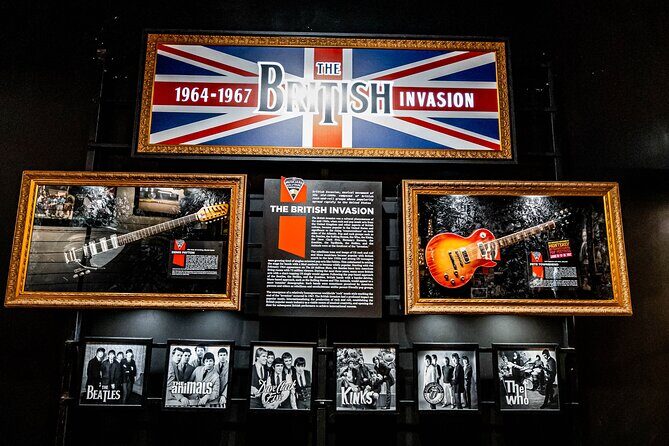
This is a downtown destination. You can include it as a morning or early afternoon stop to avoid turning your Nashville day into a “rush from line to line” situation. The museum’s open hours are 10:00 AM–5:00 PM, Monday through Saturday.
One thing to factor in: the museum area can feel a bit off the main drag if you’re walking from Broadway. It’s still walkable for many people, but it can add time. Another practical note from a recent visit was that walking from a parking garage to the museum was longer than expected. So if you hate carrying bags and you’re driving, give yourself a little buffer.
Also, the experience is described as requiring good weather. That doesn’t mean you’ll be outside the whole time, but it does mean the operator may not run it if weather is poor.
Who This Ticket Is Best For
This is strongest for people who like the craft behind music. You don’t need to be a country-only fan either. The museum’s exhibit examples span multiple genres and eras, and the GRAMMY Gallery gives you a production lens that goes beyond one style.
It’s a great fit for:
- Music lovers who enjoy instruments, studio gear, and how songs get built
- Families who want an educational stop that doesn’t punish kids for wanting to do something
- Couples who want a shared activity that has both reading and hands-on play
It may be less satisfying if:
- You’re only interested in very recent artists and current chart culture
- You prefer ultra-short museum visits and tend to skip interactive experiences
Should You Book This Musicians Hall of Fame + GRAMMY Gallery Ticket?
Yes, with one clear planning tip. If you’re in Nashville for more than a day and you like music beyond just the headline artists, this ticket is a strong value because it combines museum artifacts plus serious interactive activities in the same admission.
Book it when:
- You want a step away from the usual Nashville bar-and-Broadway loop
- You’re okay spending time with exhibits and then using the interactive station area
- You’d enjoy singing, playing instrument interactives, and learning about recording in plain language
Skip it (or pair it differently) if:
- You know you’ll hate interactive stations and you only want a quick museum skim
- You’re chasing the newest music scene and newer names over studio-era storytelling
If you want one museum stop that teaches you how music gets made while still feeling like a fun afternoon, this is a solid pick.
FAQ
What is the price per person?
The ticket is $28.00 per person.
How long does the experience take?
It typically lasts about 1 to 3 hours.
What are the opening hours?
The museum experience is listed as 10:00 AM to 5:00 PM, Monday through Saturday.
Is the ticket good for both museums?
Yes. Your admission includes the Musicians Hall of Fame in Nashville and access to the GRAMMY Museum Gallery®.
What is included in the ticket besides museum entry?
The ticket includes interactive access in the GRAMMY Museum Gallery® and admission to see the original stage where a young Jimi Hendrix played.
Are souvenirs included?
No. Souvenirs are not included and can be purchased at the museum gift shop.
What language is the experience offered in?
It’s offered in English.
Is it near public transportation?
Yes. It’s described as near public transportation.
Can I cancel for a refund?
You can cancel up to 24 hours in advance for a full refund. If you cancel less than 24 hours before the start time, the amount paid is not refunded.
How big are the groups?
The experience has a maximum of 100 travelers.