REVIEW · TICKETS
Belmont Mansion General Admission Ticket in Nashville
Book on Viator →Operated by Belmont Mansion · Bookable on Viator
History lives behind this front door. Belmont Mansion feels like a time machine: a large antebellum-era home in an Italian Villa style wrapper, with carefully restored rooms and original-looking furnishings. You start with a short interpreter welcome, then you’re free to wander and ask questions while you move at your own speed.
I especially like two parts. First, the mansion visit comes with entry plus access to an exhibit focused on the people who labored in the home and on the property: Upon the Toils of Many: Enslaved, Free, and Immigrant Laborers. Second, you can ask questions as you go, and recent visitor notes highlight staff members like Greg, Elizabeth, and Tom for clear explanations. The experience is compact, though—if you want a long, step-by-step guided tour, this may feel more self-guided than you expect.
One heads-up for your planning: parking is free, but it can be tight right at the entrance. And while there is an initial introduction, some rooms may still be under restoration in certain areas.
In This Review
- Key things to know before you go
- What You’re Really Buying for $18 in Nashville
- Stepping Into Belmont Mansion’s Italian Villa Style
- The Quick Interpreter Welcome and Q&A While You Wander
- Rooms, Furnishings, and the Details That Make It Meaningful
- Beyond the Mansion: Rose Garden and Belmont University Grounds
- The Exhibit on Labor: Why It Changes How You See the Mansion
- Parking, Entry by Doorbell, and Photo Rules
- Timing Your 1–2 Hours So It Doesn’t Feel Rushed
- Who This Ticket Fits Best (and Who Might Want a Different Style)
- How to Pair Belmont Mansion With a Nashville Day
- Should You Book Belmont Mansion General Admission?
- FAQ
- How much is the Belmont Mansion general admission ticket?
- How long should I plan to spend at Belmont Mansion?
- What are the opening hours?
- What’s included with the admission ticket?
- Is parking available?
- Are video or personal photo shoots allowed?
Key things to know before you go
- Short intro, then self-paced exploring: you get a quick orientation and then you roam.
- Women’s history plus Civil War-era context: the interpretation covers more than décor.
- Original furnishings and art on display: rooms feel “lived-in,” not staged-from-scratch.
- Rose garden and Belmont University grounds: you can extend your visit outside after the house.
- Only a small group at a time (up to 15): it keeps questions from getting lost.
- No video or personal photo shoots: plan on photos that follow the rules.
What You’re Really Buying for $18 in Nashville
For $18 per person, you’re buying admission to one of Nashville’s most substantial historic homes plus time to explore at your own pace. The visit typically lands around 1 to 2 hours, which is a very workable chunk of time if you’re also trying to see downtown or fit in a few museum stops.
This ticket is also flexible during operating hours on your reserved date. That matters, because it lets you slow down if Nashville traffic or a morning plan runs long. The ticket itself is mobile, and it’s offered in English, so it’s easy to use on the day.
The big value question is what kind of tour style you want. This experience is not built like an all-day docent-led march through every room. It’s closer to: quick welcome, then you’re free to look closely, with staff stationed to answer questions.
A few more Nashville tours and experiences worth a look



Stepping Into Belmont Mansion’s Italian Villa Style
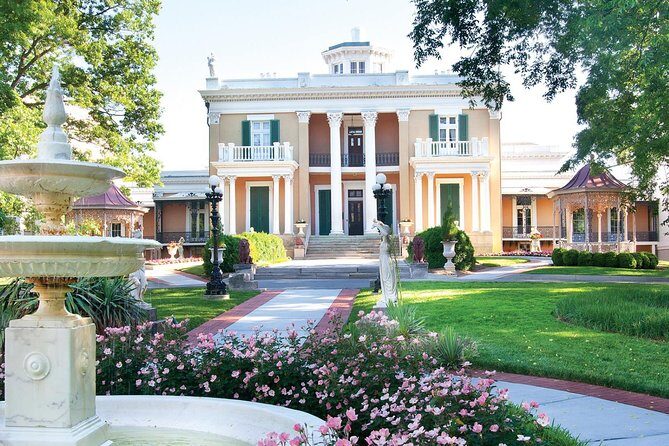
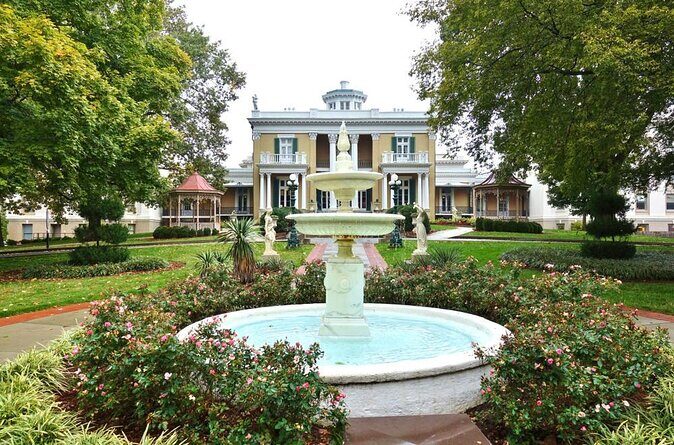
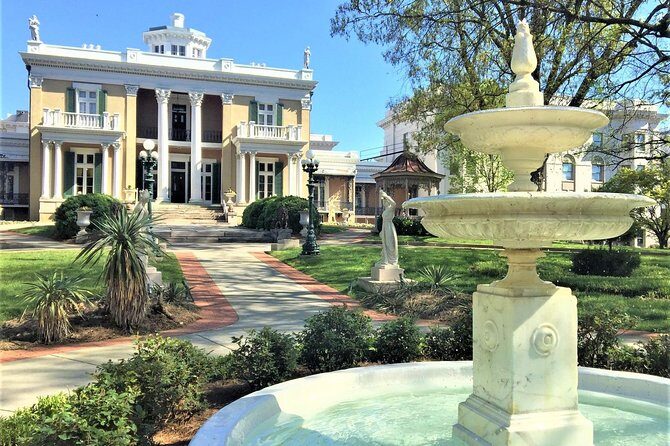
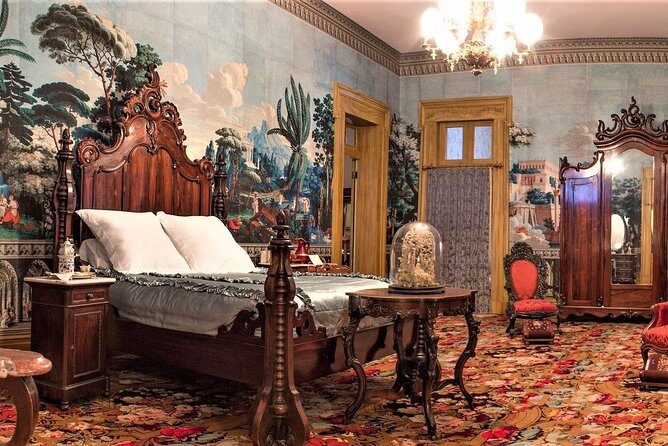
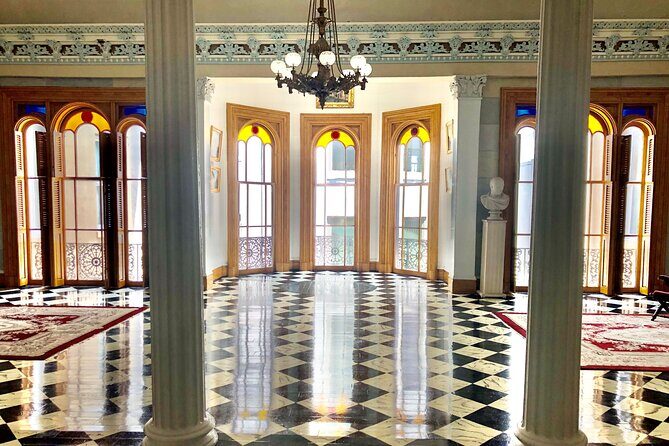
The first thing you’ll notice is how meticulously restored the interior feels. Belmont Mansion is described as one of Tennessee’s largest antebellum houses, and the collection of rooms is designed to help you see how the home was furnished and used. You’re walking through decorated spaces with displays of furnishings, artwork, and statuary, so it’s not just architecture as a backdrop.
The style reads as a mix of grandeur and domestic detail. Expect visual drama—think formal rooms where you’ll want a couple minutes per stop—along with smaller moments like displays that make the home feel specific, not generic.
One practical tip: since there can be ongoing restoration in parts of the mansion, your visit may include a few areas that don’t look fully “finished.” That’s normal here, and it can even make the experience feel more real: you’re seeing a historic place cared for, not a theme set sealed in glass.
The Quick Interpreter Welcome and Q&A While You Wander
Your visit begins with a welcome from a trained interpreter. Reviews describe this as a short talk in the main area—brief enough that you don’t feel locked into a lecture, but structured enough that you get key facts before you start looking around.
Then you shift into self-guided exploring. Staff are stationed throughout to answer questions, which is a smart format for different learning styles. If you want answers on the spot, you can ask. If you’d rather quietly soak up the rooms first, you can do that too.
Names came up in feedback—people praised guides such as Greg, Elizabeth, and Tom for making the history feel clear and memorable. Even if you don’t get the same interpreter, the setup is designed so you can still get thoughtful explanations when you pause.
Rooms, Furnishings, and the Details That Make It Meaningful
Belmont Mansion is a strong choice if you care about the way history is shown through objects. The home includes displays of original or period-appropriate items—furnishings, artwork, and decorative details—that help you connect architecture to daily life.
A number of visitors highlight Civil War-era room details and period displays, including uniforms and arms, with some areas tied to Union soldiers during the war. You don’t have to be a reenactor to find this interesting. It’s more about seeing how a household could function inside a larger national conflict.
The rooms also connect to broader themes tied to who lived here and how the estate operated. That’s where the added exhibit access matters, because it keeps the experience from becoming only about polish and pretty rooms.
Beyond the Mansion: Rose Garden and Belmont University Grounds
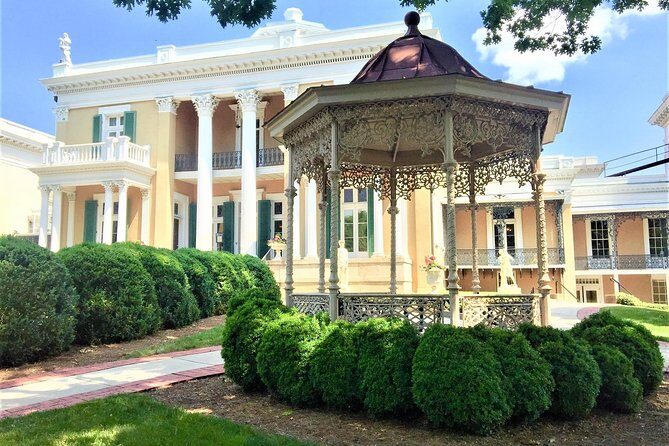
After the house, you can add time outside with a self-guided walk through the rose garden and grounds. This is especially nice because it gives your brain a break from indoor details and lets you reset before finishing your day.
The mansion is on the Belmont University campus now, and the approach from the front steps can feel like a different kind of “tour route” than a typical historic site. You’re not only touring a house; you’re also walking through an active campus setting that still preserves a sense of place.
In warm weather, this part of the visit tends to feel even more satisfying because you can linger. If you’re short on time, just do the essentials first: house, then a focused stroll through the grounds to stretch your legs.






The Exhibit on Labor: Why It Changes How You See the Mansion
One reason this ticket earns strong ratings is that it includes entry to an exhibit called Upon the Toils of Many: Enslaved, Free, and Immigrant Laborers. That inclusion is important because it adds context about labor systems behind the scenes of the home and estate.
If your goal is to understand history with honesty—who did the work, how people were treated, and how that shaped the household experience—this exhibit is a key stop. It helps you connect the decorative rooms to real lives and real structures of power.
It also makes the mansion visit feel more complete. Instead of treating the house like a pretty artifact, you’re prompted to see it as a living product of social and economic realities.
Parking, Entry by Doorbell, and Photo Rules
This experience is easy once you know how it works. You’ll make your way to Belmont Mansion, and then you ring the doorbell to enter. It’s simple, but it can catch people off guard if they’re expecting a standard ticket booth or walk-in lobby.
Parking is free on-site, but plan for limited spots near the main entrance. Some reviews note only a handful of free spaces in that immediate area. Translation: if you arrive late, you may need to use other free parking options staff can help coordinate.
Also note the rules on media. The experience includes a clear prohibition on video and personal photo shoots. That doesn’t mean you can’t take photos at all; it means you need to follow the site’s rule set for capturing images. If photography is your priority, it’s worth checking the allowed style before you start shooting.
Timing Your 1–2 Hours So It Doesn’t Feel Rushed
With a 1 to 2 hour window, your best move is to treat it like a focused museum visit rather than a stop-and-snap.
Here’s a practical pacing plan:
- Spend enough time in the main rooms to actually look at the details and displays.
- Use the interpreter stations to ask the one question you keep circling back to.
- After the mansion, add the rose garden walk if you still have energy.
If you’re visiting in summer, consider doing the garden portion slightly later when you can take breaks. If you’re there during cooler months, you might find you naturally linger inside more, then enjoy outside for a shorter wrap-up.
Operating hours run 10:00 AM to 3:30 PM, Monday through Saturday (with the same hours shown across the listed date ranges). That means you’re best off planning your arrival earlier in the window so you don’t feel time pressure near the end.
Who This Ticket Fits Best (and Who Might Want a Different Style)
I’d point this ticket toward you if you like:
- Historic houses and architecture that are easy to navigate
- museum-style exhibits with object-focused displays
- history topics tied to women’s history, Tennessee history, and the Civil War
- a pace that lets you linger where you care most
It also suits couples and families because the format is flexible: you can move together, then split your attention briefly inside and meet up again in the common spaces.
You might consider adding a different tour option or shifting expectations if you want a fully guided walkthrough room-by-room. The structure includes an introduction, but most of your time is still self-directed.
Group size is kept small (maximum 15 travelers), which helps make questions easier without feeling like you’re standing in a herd.
How to Pair Belmont Mansion With a Nashville Day
Belmont Mansion sits about 3 miles from downtown Nashville, so it’s a realistic add-on even on a day packed with other highlights. If your plan includes live music or a big attraction downtown, schedule Belmont either before you go in for the evening or after you’ve done the main city sights.
A simple strategy:
- Do Belmont Mansion first if you want a calm, museum-like start.
- Do downtown first if you’re chasing a specific evening plan, then use Belmont as a quieter second act.
Either way, give yourself time for the short entry talk and a real look inside. This isn’t a checklist stop.
Should You Book Belmont Mansion General Admission?
Book it if you want a high-value Nashville history stop at an easy $18 price point with enough structure to orient you and enough freedom to explore at your own pace. The mix of restored mansion rooms plus a meaningful labor-focused exhibit makes it more than just pretty interiors.
Don’t book it if your top priority is a long, nonstop guided narration for every room. The experience is designed for self-guided wandering with staff available to answer questions, not for one continuous guide-led script.
If you can arrive earlier to avoid parking stress and you’re comfortable with house-and-grounds exploring, this is the kind of stop that can genuinely anchor a Nashville day.
FAQ
How much is the Belmont Mansion general admission ticket?
The ticket price is $18.00 per person.
How long should I plan to spend at Belmont Mansion?
Plan for about 1 to 2 hours.
What are the opening hours?
From 07/01/2022 to 12/31/2025, it runs Monday through Saturday from 10:00 AM to 3:30 PM. The hours shown for 01/01/2026 to 12/31/2026 are also Monday through Saturday from 10:00 AM to 3:30 PM.
What’s included with the admission ticket?
Admission includes entry to the mansion for regular operating hours, a self-guided tour of the mansion with guides stationed to answer questions, an introduction from a trained interpreter, free on-site parking (with vehicle registration), access to the exhibit Upon the Toils of Many: Enslaved, Free, and Immigrant Laborers, and the on-site museum gift shop.
Is parking available?
Yes. There is free on-site parking, but you need to register your vehicle.
Are video or personal photo shoots allowed?
No video or personal photo shoots are permitted.