REVIEW · COUNTRY MUSIC HALL OF FAME TOURS
Country Music Hall of Fame and Museum Admission
Book on Viator →Operated by Country Music Hall of Fame & Museum · Bookable on Viator
A great museum visit starts here. The Country Music Hall of Fame and Museum is a modern, downtown landmark built for one job: telling country music’s story. It’s known as the Smithsonian of country music, with 350,000 square feet of galleries, archives, classrooms, shops, and places to grab a bite, plus views over Music City.
What I like most is how the exhibits connect eras instead of dropping facts in your lap. You’ll move through the genre’s evolution with artifacts, multimedia, biographical panels, and audio tours that trace the music from Jimmie Rodgers and Hank Williams all the way to current stars like Taylor Swift.
One drawback to plan for: this is more history-and-display than a hands-on theme park. You’ll do a lot of walking and reading, and some indoor areas can feel warm, so go in with comfy clothes and water in mind.
In This Review
- Key highlights worth your time
- Downtown Nashville museum power: why this building feels different
- Ticket value and what $31.95 gets you
- Your walkthrough: Sing Me Back Home to Dreaming My Dreams
- Sing Me Back Home: The Journey Begins (roots to the 1960s)
- Dreaming My Dreams: The Journey Continues (1960s to the present)
- How the museum keeps you oriented
- Audio tours, artifacts, and the interactive stations that break up the reading
- Audio tours and biographical panels
- Interactive areas (expect some fun, not endless games)
- Programs, live music, and film-style entertainment inside the museum
- Pacing your day: when to go and how to avoid the two big time traps
- Start early to beat the rush
- Build your 2 to 4 hours on purpose
- Walking and indoor comfort
- Parking and ticket lines
- Shops and food on-site: make the museum day feel complete
- Four shops right on the property
- Restaurants when you need a reset
- Who this is best for (and who might feel underwhelmed)
- Should you book the Country Music Hall of Fame ticket?
- FAQ
- What’s included with the ticket?
- How long should I plan to spend?
- Where is the museum located?
- How much does it cost?
- Is the experience offered in English?
- What are the museum’s hours?
- Is this experience self-guided?
- Are service animals allowed?
- Is it near public transportation?
- Can I cancel and get a refund?
Key highlights worth your time

- Two major exhibit journeys: Sing Me Back Home (roots to the 1960s) and Dreaming My Dreams (1960s to today)
- Huge collections on display with multimedia, recorded sounds, and stories tied to real people
- Interactive country-music stations including areas for recording and songwriting
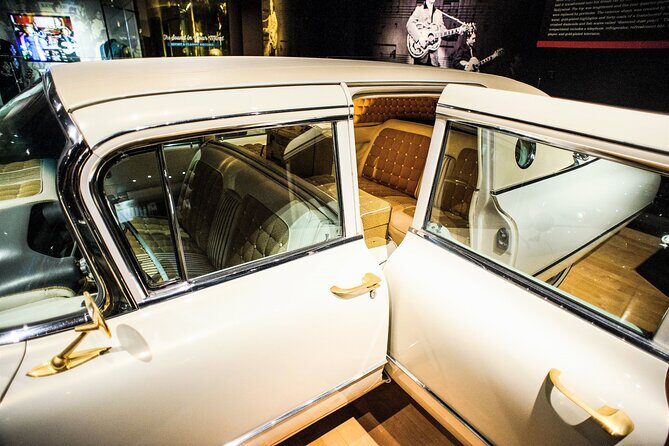
- Big iconic objects, like a forty-foot guitar and well-known memorabilia
- On-site extras: multiple shops, plus restaurants when you need a break
- Small max group size (up to 10) which can help keep the experience smooth
Downtown Nashville museum power: why this building feels different
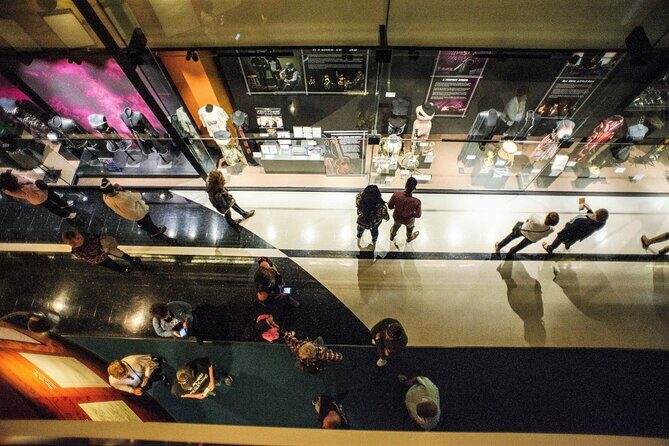
The Country Music Hall of Fame and Museum is not a small “drop in and out” site. It’s built for roaming: a 350,000-square-foot campus feel, with two expansive floors of galleries, archival storage, educational classrooms, and special event space. Even before you get lost in the exhibits, the setting helps. You’re in the heart of downtown Nashville, so it’s easy to pair with other Music City stops.
There’s also something about the facility that makes the museum feel like part of the city, not a separate bubble. You get that classic “see the skyline from inside” vibe that works nicely if you like taking short breaks between exhibit areas.
Practical tip: treat this like an actual outing, not a quick errand. If you show up with comfortable shoes and a calm pace, the museum hits harder. If you rush, you’ll miss the connections between different eras of country music.
Other museum experiences in Nashville


Ticket value and what $31.95 gets you
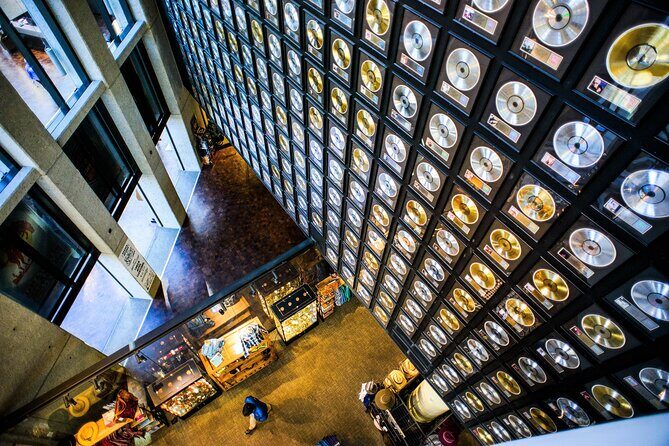
At $31.95 per person, this ticket is priced like a serious museum experience—and the content backs it up. You’re buying access to a museum built around two things: depth (huge collections and long-running themes) and variety (artifacts, videos, sound recordings, and interactive stations).
Time-wise, plan for 2 to 4 hours. In that window, you can do a full chronological pass through the major exhibit sections and still stop for extra experiences like audio and station time. If you only have 90 minutes, you can still cover a lot—but it’ll be “highlights and key rooms,” not slow history.
Another value point: the museum doesn’t just show performers. It frames country music inside American history, using biographical panels and audio tours to explain how artists and songwriting traditions evolved over time. That context is what makes the ticket feel worth it, even if you only know a handful of the big names.
Quick reality check: the museum stores and restaurants are on site. That means you don’t have to plan a food detour, which matters when you’re paying premium-ish Nashville prices for everything else.
Your walkthrough: Sing Me Back Home to Dreaming My Dreams

Inside, you follow a story that’s laid out like a timeline. The museum’s main sweep is organized around two large exhibit experiences:
Sing Me Back Home: The Journey Begins (roots to the 1960s)
This is where you start if you want the “where it came from” version of country. The focus is on folk roots and how the sound grew into the world of the 1960s. Expect to see how early influences shaped the songwriting themes, performance style, and cultural role of the music.
This section is great for first-timers because it gives you context fast. Instead of thinking of country as one style, you start noticing patterns: storytelling, regional identity, and how artists borrowed from older folk traditions.
Dreaming My Dreams: The Journey Continues (1960s to the present)
Then the museum shifts into modern momentum. This newer expansion added hundreds of additional artifacts and multimedia elements, focusing on country music’s more recent history from the 1960s to today.
This is where the museum does a nice job of bridging generations. You’ll see the lineage through artists’ biographies—so when contemporary stars pop up, they don’t feel random. The contemporary gallery space includes major figures like Luke Bryan, Carrie Underwood, Keith Urban, and more, alongside the classics.
I like the pacing of this setup. You don’t jump straight from roots to today. You earn the “present” part by understanding how the genre changed.






How the museum keeps you oriented
Even when you’re not reading every panel, the museum is designed to keep you moving along the story. Artifacts are paired with multimedia and carefully selected sound recordings. Audio tours also help you connect names to scenes—especially if you care about the who, not just the what.
Audio tours, artifacts, and the interactive stations that break up the reading
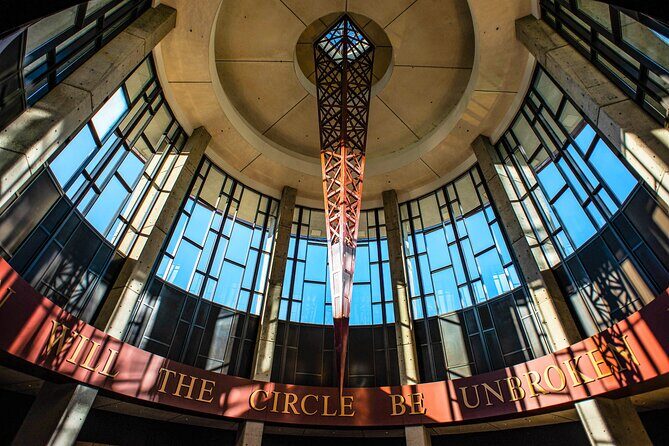
This museum is full of displays, but it’s not only static glass cases. You get multiple ways to take in the story.
Audio tours and biographical panels
Biographical panels and audio tours tell the stories of artists who shaped the music. You’ll see the arc through people like Jimmie Rodgers, Hank Williams, Johnny Cash, Dolly Parton, Garth Brooks, and Reba McEntire. That lineup matters because it anchors the exhibits—so the museum doesn’t feel like a random collection of memorabilia.
If you’re a “listen first, read later” person, use audio tours to set the tone, then come back to panels for the details that interest you.
Interactive areas (expect some fun, not endless games)
The museum includes interactive stations, plus areas that let you try recording and songwriting. One of the big attention-grabbers is a forty-foot guitar, which is exactly the kind of object that makes photos easy and learning faster.
Also look for music trivia moments and areas tied to the craft of making songs. These are the spots that keep kids and adults engaged when you’re surrounded by decades of stories.
And yes, the museum is built to be friendly to different ages. If you’re traveling with teens, this helps. If you’re traveling with younger kids, you’ll still want to plan for breaks, because the overall feel is museum-first, not ride-first.
Programs, live music, and film-style entertainment inside the museum
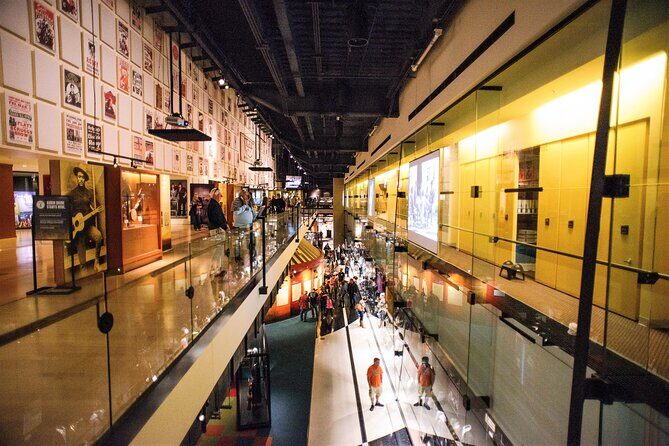
The museum runs over 250 programs and activities each year, so your visit can include more than just gallery time. The experience can include opportunities to play an instrument, enjoy an archived film, and hear live music from legends and songwriters.
One review detail that’s useful when you’re planning your day: the museum’s Ford Theater can host performances, and Andy May is mentioned as an example of a program you might catch. That kind of event turns the Hall of Fame from a museum stop into an evening plan.
Important reality: program timing changes. The museum offers lots of yearly options, so you’ll want to check what’s scheduled around your visit date if you’d like live music or a film component to be part of your day.
Pacing your day: when to go and how to avoid the two big time traps

Most people do best with a simple strategy: give yourself time to wander, then decide what you’ll skip—rather than trying to see everything.
Start early to beat the rush
Getting there early is smart. The museum can fill up, and the last thing you want is to spend your “prime energy hours” standing in lines instead of reading and listening.
Build your 2 to 4 hours on purpose
Here’s a useful way to think about the time:
- 1 to 2 hours: get the main timeline sweep and key artifacts
- 2 to 3 hours: add audio tours, multimedia clips, and at least one interactive area
- 3 to 4 hours: slow pacing, extra programs, shops, and a sit-down meal
If you notice yourself rushing, slow down at the transitions between major eras. That’s where the museum’s story logic is strongest.
Walking and indoor comfort
Wear walking shoes. This is a lot of space, and the exhibits are spread enough that your feet will notice. Also plan for indoor temperature swings—some visitors have found the building can run warm—so pack light layers and drink water.
Parking and ticket lines
Parking in Nashville can be expensive, and the museum area is no exception. I’d price-check your parking options before you rely on the first lot you see.
For entry, using your voucher or confirmation at the museum’s information point can save time compared to figuring things out at the main entry line. If you like smooth starts, do that step first and keep moving.
Shops and food on-site: make the museum day feel complete
One reason this museum works so well is that it’s not just “walk through exhibits and leave.” You can keep the vibe going without changing neighborhoods.
Four shops right on the property
You’ll find:
- The Museum Store
- Circa
- Hatch Show Print
- Haley Gallery
Hatch Show Print is especially fun if you like music posters. There’s hands-on poster printing experience mentioned in visitor notes, and it’s a great souvenir that feels tied to the culture—not generic merch.
Restaurants when you need a reset
On-site dining options include:
- 2|22
- Red Onion
- Bajo Sexto Taco
That variety helps. If your group has mixed tastes—country music fans and people who just want good food—you can keep everyone happy without trekking across downtown.
Who this is best for (and who might feel underwhelmed)
This ticket is an easy match if:
- you love country music, even if your favorites span decades
- you want a guided-by-design timeline without needing a formal tour guide
- you’re traveling with mixed ages and want interactive stops plus classic exhibits
You might find it less satisfying if:
- you want lots of hands-on “do stuff every five minutes”
- you hate reading and prefer mostly visuals
- you’re short on time and want only the biggest names without context
But even then, the museum’s size and the way it links artists and eras gives you enough to come away with something real.
Should you book the Country Music Hall of Fame ticket?
I’d book it if Nashville is on your itinerary and you care even a little about how country music became what it is today. The ticket price makes sense for the scale: two floors, huge collections, multimedia, audio tours, and interactive moments like songwriting and recording stations.
If you can only spare a small slice of time, still go. Just don’t treat it like a quick photo stop. Give it your best effort for 2 hours, hit the major timeline sections, then add one interactive stop and you’ll leave feeling like you understood the story.
If you want live music, check the schedule in advance so your day isn’t all galleries. And if you’re sensitive to heat, plan for indoor comfort so you can enjoy the exhibits without cutting your visit short.
FAQ
What’s included with the ticket?
The ticket includes admission to the Country Music Hall of Fame and Museum.
How long should I plan to spend?
Plan for about 2 to 4 hours.
Where is the museum located?
It’s in downtown Nashville in the heart of Music City.
How much does it cost?
The price is $31.95 per person.
Is the experience offered in English?
Yes, it’s offered in English.
What are the museum’s hours?
For 2026, it’s open Monday through Sunday, 9:00 AM to 5:00 PM.
Is this experience self-guided?
The museum exploration is set up so you can go through the exhibits on your own pace, with audio tours available.
Are service animals allowed?
Yes, service animals are allowed.
Is it near public transportation?
Yes, it is near public transportation.
Can I cancel and get a refund?
Yes. You can cancel for a full refund up to 24 hours in advance. If you cancel less than 24 hours before the start time, you won’t get a refund.