REVIEW · HISTORICAL TOURS
Nashville African American History & Civil Rights Walking Tour
Book on Viator →Operated by United Street Tours · Bookable on Viator
Nashville’s civil-rights story has a walkable route. This tour threads together African American history, street-level art, and major landmarks, with a strong local point of view. You start downtown at the Nashville Visitor Center and work your way toward Lower Broadway, where music history and the everyday life of the city share the same sidewalks.
I’m especially into how the route blends cultural sightseeing with learning. I love the National Museum of African American Music stop for the way it frames sound and community in one short visit, and I love the mural/photo-op moments that make the story feel visual, not just factual.
One watch-out: it’s about 2 hours of walking with a moderate fitness level requirement, and the experience depends on decent weather. If it’s a rough day out, you may want to dress for quick changes.
In This Review
- Key highlights you’ll feel right away
- Starting at the Nashville Visitor Center: Get Oriented Fast
- Lower Broadway’s music-and-history stretch (more than 30 bars)
- The National Museum of African American Music: short stop, big emotional focus
- Nashville Public Library and Davidson County Courthouse: civic landmarks with a purpose
- Assembly Food Hall and the Civil Rights Museum: the side-story stops
- How the tour moves: timing, group size, and weather
- What you’ll learn (and why the format works)
- Who this is best for (and who might want a different plan)
- Book it or skip it?
- FAQ
- How long is the Nashville African American History & Civil Rights Walking Tour?
- Where does the tour start, and where does it end?
- Is the tour offered in English, and do I get a ticket on my phone?
- What’s included, and what’s not included?
- How large are the groups?
- Are service animals allowed?
- What happens if the weather is poor or if I need to cancel?
Key highlights you’ll feel right away
- A live guide who brings the route to life, including the guide name Chiquita mentioned for passion and deep focus
- Lower Broadway’s music block energy, with a stop in the live-music zone known for more than 30 bars
- A quick but meaningful visit at the National Museum of African American Music
- Murals and colorful street art photo moments that connect history to what you see now
- Extra stops beyond the obvious, including Assembly Food Hall and the Civil Rights Museum
- Small group size (max 30) so you’re not stuck in a moving crowd
Starting at the Nashville Visitor Center: Get Oriented Fast

Your walk begins at the Nashville Visitor Center, right on Broadway at 501 Broadway (downtown). This is the smartest kind of start point: you’re in the middle of things, but the guide can still help you understand the city’s layout before you get swept into it.
The early minutes matter. Without good context, downtown can blur together into bars, buildings, and street noise. With a guide, you start learning how Nashville grew, how different communities shaped it, and why certain civic and cultural locations matter. This tour is built around that idea: history as something you can walk up to, point at, and connect to the present day.
Also, you’ll have a mobile ticket, so you’re not fumbling with paperwork while trying to keep pace with the group. That small detail makes a difference when you’re meeting downtown and moving along.
Other walking tours we've reviewed in Nashville


Lower Broadway’s music-and-history stretch (more than 30 bars)
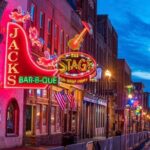
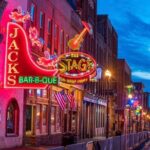
Then comes Lower Broadway, the part of Nashville that most visitors recognize instantly—and that’s exactly why it’s such a good stop. The area is described as a live music paradise with over 30 bars, and that matters to the tour because music isn’t just entertainment here. It’s also identity, work, and community.
What I like about putting African American history and civil rights learning next to the music strip is the way the tour forces you to notice connections. You’ll be looking at the same street many people visit for nightlife, but you’ll get a different lens: who had access, who built culture, and how the city’s social story shaped the music scene.
Practical tip: Lower Broadway can be loud and busy. If you’re the type who needs quick breaks, keep water handy and don’t wait until the end to step aside for a breather. A walking tour like this runs best when you treat it like a steady stroll, not a sprint.
The National Museum of African American Music: short stop, big emotional focus
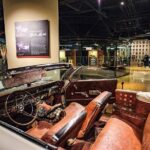
One of the strongest stops on the route is the National Museum of African American Music. You’ll have a quick visit here, and the focus is on transporting you into the world of soulful melodies—basically, learning that music is not a footnote. It’s a language.
This stop is valuable even if you don’t consider yourself a museum person. The tour frames the experience so you’re not just scanning exhibits. You’re picking up on the role African American musicians and creators played in shaping Nashville’s cultural identity. It’s the kind of moment that can change how you hear the city later, even outside the museum walls.
If you want photos, bring your phone charged. If you prefer quieter time, use the museum stop to slow down. This is the point where you can reset your brain before the walk continues into civic landmarks.
Nashville Public Library and Davidson County Courthouse: civic landmarks with a purpose
After the museum stop, the tour shifts toward civic Nashville. You’ll make time at the Nashville Public Library and then the Davidson County Courthouse.
These stops aren’t just impressive buildings on a route. In a civil rights walking context, the library and courthouse help you understand how public systems affect people’s everyday lives—who gets resources, who gets listened to, and what legal and civic institutions do to power and opportunity.
One thing I appreciate: these stops give the learning a different shape. Instead of only music and murals, you get to look at places tied to records, education, and law. That balance helps the story feel whole, not one-note.
Photo idea: even if you skip formal shots, pause at each site and take one wide photo of the street and building together. In a week, you’ll remember the sidewalks and angles, not just the landmarks.
Assembly Food Hall and the Civil Rights Museum: the side-story stops
This tour doesn’t only stick to the most obvious downtown highlights. Along the way, you’ll learn background stories tied to Assembly Food Hall, plus you’ll stop by the Civil Rights Museum.
Why this matters: food spaces and museums both tell you how a city wants to represent itself. A food hall can show what locals support and gather around now. A civil rights museum keeps pressure on the past—making sure the lessons aren’t treated like trivia.
Even if you’re not planning to eat during the walk, Assembly Food Hall gives a sense of the city’s present pace and community feel. Think of it as a bridge between what people do today and what communities fought for in the past.
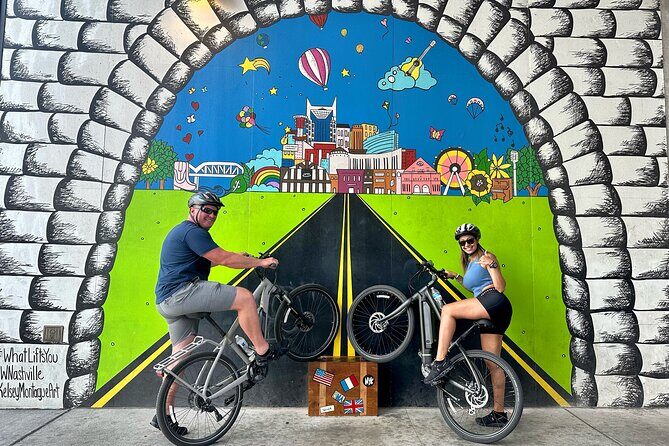
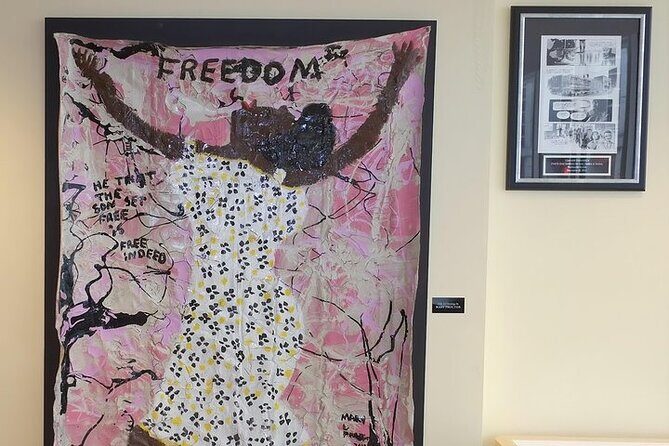
And yes, this tour includes photo ops in front of colorful street art and murals. Those visuals aren’t just for fun. They help you see how public art carries memory, pride, and messages you don’t get from a map alone. If you’re walking with friends, this is also where you’ll want to pause together for group photos.
Other historical tours in Nashville






How the tour moves: timing, group size, and weather
This is a 2-hour walking tour (approx.) with a maximum of 30 travelers. That size is friendly. You can still hear the guide without feeling swallowed by a giant crowd.
The tour is offered in English, and it uses a mobile ticket, which keeps the meet-up simple. The starting point is easy for visitors to find, and the activity is near public transportation—helpful if you’d rather not stress about parking downtown.
Comfort note: the tour lists a moderate physical fitness level. In plain terms, you’re walking around downtown for about two hours. Wear shoes you’d wear for a long museum day, not for a quick coffee run.
One more practical detail: the experience requires good weather. If it’s canceled due to poor weather, you’ll be offered a different date or a full refund.
What you’ll learn (and why the format works)
The tour’s big advantage is how it combines history, culture, and sightseeing from a local point of view. You don’t just pass by places—you get the story behind them, including how Nashville moved from a segregated farm-town past toward a major U.S. city that welcomes billions of visitors each year.
That kind of before-and-after framing helps you avoid the common mistake of treating history like a separate museum wing. Here, the past shows up in street-level details: the kinds of institutions you see downtown, the neighborhoods and civic spaces you pass, and the way public art communicates memory.
The strongest signal from the guide element: the live guide. In the feedback, Chiquita is specifically called out as knowledgeable and passionate, and that combination usually means you’ll get clear explanations instead of a rushed lecture.
Who this is best for (and who might want a different plan)
This tour is a great fit if you want:
- A guided, structured walk through downtown landmarks tied to African American history and civil rights
- A mix of museums, civic sites, and visual street art
- A reasonably sized group (max 30) with time for questions and pauses
It’s also smart for first-time visitors who want a fast orientation to Nashville beyond the music headline. After this, you’ll understand what you’re seeing instead of just where you’re standing.
Who might skip it? If you hate walking in downtown heat or cold, or if moderate walking for 2 hours doesn’t work for you, you may want to pick a shorter, more flexible option. The weather requirement is real.
Book it or skip it?
I’d book this tour if you want a meaningful Nashville walk that doesn’t treat civil rights history like an aside. The mix of Lower Broadway, the National Museum of African American Music, civic stops, murals, and bonus culture moments like Assembly Food Hall and the Civil Rights Museum makes it more than a checklist.
One more reason: the tour has a 5/5 rating with 11 reviews, and the guide performance is clearly central to the experience. If you care about hearing the story from a live person—and not just reading a placard—this is the kind of guided walk that pays off fast.
If you go, bring comfortable shoes, keep your phone ready for street-art photos, and arrive with an open mind. Downtown can feel familiar quickly. This tour makes it feel understood.
FAQ
How long is the Nashville African American History & Civil Rights Walking Tour?
The tour lasts about 2 hours.
Where does the tour start, and where does it end?
It starts at the Nashville Visitor Center, 501 Broadway, Nashville, TN 37203, USA, and ends back at the meeting point.
Is the tour offered in English, and do I get a ticket on my phone?
Yes. The tour is offered in English, and it uses a mobile ticket.
What’s included, and what’s not included?
Included is a live guide. Not included are gratuities (optional) and pickup and drop-off.
How large are the groups?
The tour has a maximum of 30 travelers.
Are service animals allowed?
Yes, service animals are allowed.
What happens if the weather is poor or if I need to cancel?
The tour requires good weather. If it’s canceled due to poor weather, you’ll be offered a different date or a full refund. You can also cancel for free up to 24 hours in advance for a full refund.