REVIEW · WALKING TOURS
Civil Rights Walking Tour of Nashville
Book on Viator →Operated by United Street Tours · Bookable on Viator
Nashville has stories you won’t catch alone. This Civil Rights walking tour takes you through key places tied to the struggle for equality, with a guide who shares angles you’re unlikely to uncover on your own. I like that it’s built around real stops you can see, including public walls and landmark civic buildings, not just vague talking points about the past.
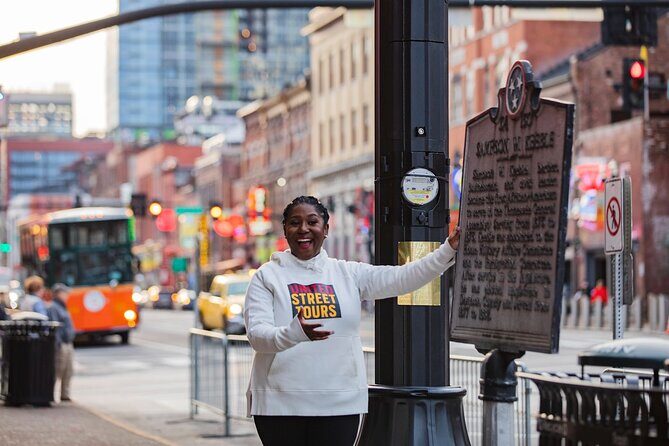
What I really appreciated is the way the guide adds both personal perspective and historical context, making the information feel human instead of textbook. In particular, one guide named Lauren brought an upbeat, engaging style, and the pacing stays easy to follow. One thing to consider: this is a walking tour for moderate fitness, and the actual sequence of stops may be different from what you picture as you plan your day.
In This Review
- Key Things You’ll Notice on This Nashville Civil Rights Walk
- Why This Tour Works for Understanding Nashville Fast
- Meeting at the Nashville Visitor Center and How the Timing Feels
- Stop 1: United Street Tours as Your Orientation Point
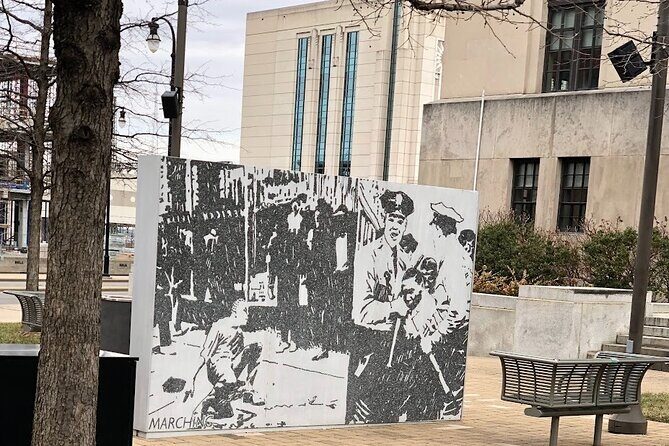
- The Witness Walls: Reading Civil Rights in Public View
- Davidson County Courthouse: When Civic Power Comes Into Focus
- National Museum of African American Music: Culture as a Force
- The Pacing, Group Size, and Guide Style That Make It Easy to Follow
- Practical Tips So You Enjoy It More
- Who Should Book This Nashville Civil Rights Walking Tour
- Should You Book It?
- FAQ
- How long is the Civil Rights Walking Tour of Nashville?
- Where do I meet the tour?
- Where does the tour end?
- Is the tour offered in English?
- Do I get a guide?
- Is it a small group?
- Is hotel pickup or drop-off included?
- Can I bring a service animal?
- What if I need to cancel?
Key Things You’ll Notice on This Nashville Civil Rights Walk
- A tight 2-hour format that fits into a normal sightseeing day
- Small group size (up to 30) keeps the vibe focused and questions easier
- Witness Walls stop gives you a visible way to read local memory on the street
- Courthouse and civic landmarks connect civil rights to how local power works
- A museum finale focused on African American music and Civil Rights (including a civil-rights exhibition room)
- A professional guide with personal perspective makes the story feel lived-in, not distant
Why This Tour Works for Understanding Nashville Fast
If you only do quick photo stops, Nashville can feel like a city of music and monuments. This tour nudges you to see how the Civil Rights Movement shaped real neighborhoods and real decisions here. You’re not just learning dates; you’re learning why certain places mattered, and how the city’s civic and cultural life connects to the push for equal rights.
I also like that the tone is practical. You get a walkable route with a clear arc across the downtown area, and the guide helps you make sense of what you’re looking at while you’re standing there. With a two-hour length, it’s an efficient way to add depth without eating your whole day.
There’s another subtle win: the tour includes story elements that most people wouldn’t think to search for. That’s where guides can truly earn their pay. When a guide adds a personal lens alongside history, the facts land better because they connect to lived experience.
Other walking tours we've reviewed in Nashville



Meeting at the Nashville Visitor Center and How the Timing Feels
You start at the Nashville Visitor Center at 501 Broadway, a central point that’s easy to reach if you’re already in downtown. The tour is designed to run about two hours, so you’ll be moving at a comfortable walking-tour pace rather than a long slog across the city.
A mobile ticket is part of the experience, so you’re not dealing with printouts. The tour also runs in English and is set up with a maximum group size of 30, which helps keep the flow smoother and the conversation more lively when you have questions.
One more practical note: there’s no hotel pickup or drop-off, and food and drinks aren’t included. That matters because you should plan to eat before or after, and you may want to bring a small item like a water bottle if you’re the sort who gets thirsty while walking.
Stop 1: United Street Tours as Your Orientation Point

Your first stop ties directly to United Street Tours, the provider running the walking experience. This is where you get the initial framing, and it helps to set expectations for how the guide will connect each site you visit to the larger Civil Rights story in Nashville.
Think of this as your mental warm-up. When the guide sets the context early, later stops like civic buildings and memorial-style walls make more sense, because you understand what you’re looking for before you arrive.
This kind of opening matters more than people think. Without it, you can still visit the places, but you might miss why they were chosen. With an organized start, you’re less likely to treat each location like a separate stop and more likely to see the threads between them.
The Witness Walls: Reading Civil Rights in Public View
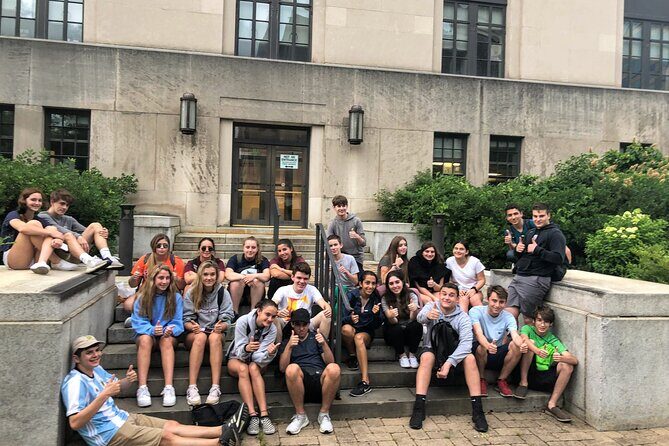
One of the stops on the route is the Witness Walls. Public memory is powerful, but it can also be easy to overlook when you’re just passing by. This tour slows you down and encourages you to look with intention.
What I like about having a Witness Walls stop in the middle of the tour is that it breaks the pattern of only seeing buildings and plaques. Walls like this turn history into something you can read, reflect on, and talk about while you’re standing right there.
This is also a good moment for questions. If you’re trying to understand how community remembrance works, you’ll get more from asking than from guessing. A guide can help you connect symbols, names, and the idea of witness to the broader Civil Rights Movement story in Nashville.
The potential drawback is simple: if you expected only major institutions, a memorial or public-art-style stop might surprise you. But that’s also what makes it effective—this is where learning shifts from theory into something you can see and feel.
Davidson County Courthouse: When Civic Power Comes Into Focus
The Davidson County Courthouse is another major stop on the walk. Courthouses are physical reminders of law and governance, and they’re ideal for understanding how civil rights struggles played out through institutions, not just street-level events.
Standing near a courthouse changes your perspective. Instead of thinking about history as something that happened elsewhere, you’re faced with the reality that legal systems and civic structures were part of the story. The guide helps connect what you see to why it mattered for the push for equality.
I appreciate that this isn’t presented as a distant lesson. You’re guided to connect the courthouse setting to the lived impacts people faced when civil rights claims met the workings of local authority. That kind of framing makes the stop feel relevant instead of purely architectural.
One thing to keep in mind: this part of the tour can feel heavier if you’re sensitive to injustice-related topics. The benefit is that you’re not dodging the core themes. The guide’s job is to help you process what you’re seeing in a grounded, understandable way.






National Museum of African American Music: Culture as a Force
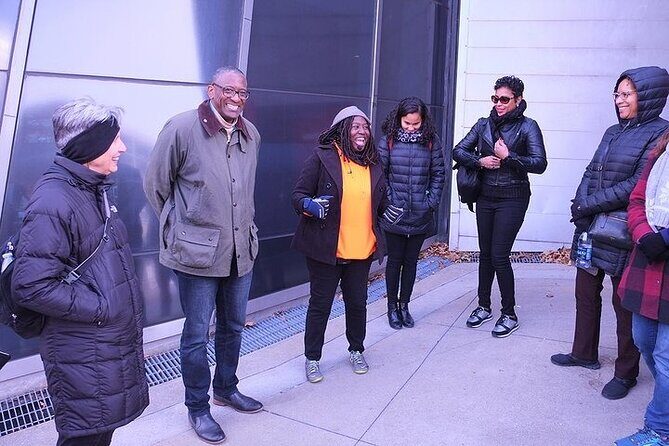
The tour ends at the National Museum of African American Music. This stop gives the Civil Rights story a strong cultural angle, which is important because the movement wasn’t only about legal fights and court decisions. Music, creativity, and community expression also carried power and identity.
I like museum endings on walking tours because they let your brain switch gears from outdoors reading to indoor context. You’ll have time to slow down and absorb more of the Civil Rights story through the museum’s exhibits.
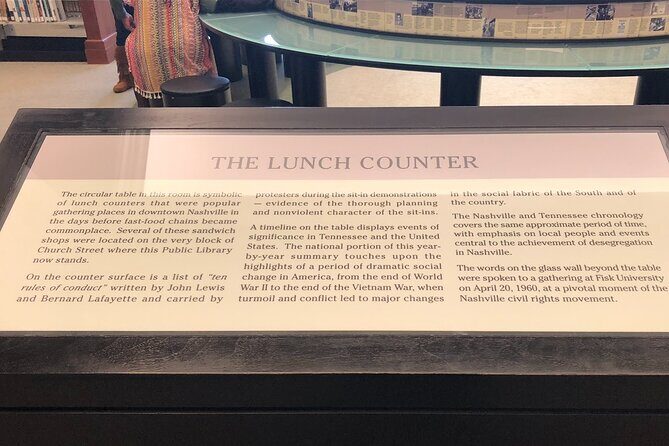
Based on what I learned from the experience descriptions, a standout element at the museum includes a civil-rights exhibition room connected to a library-style display. That kind of focused indoor exhibit is often where details stick. Even if you’ve visited other museums before, this adds a specific Civil Rights component that makes the tour feel complete.
If you’re someone who wants the story to include culture and not only politics, you’ll probably enjoy this ending. It keeps the experience from feeling one-note and helps you understand how Civil Rights history and African American cultural history share the same space and energy.
The Pacing, Group Size, and Guide Style That Make It Easy to Follow
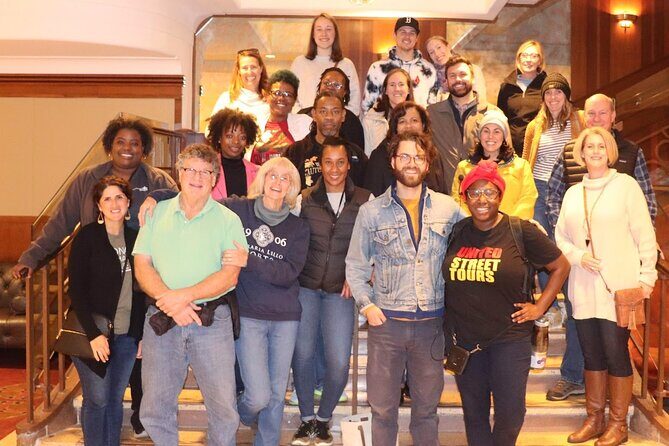
The tour is professionally guided, and the structure is built for a smooth two-hour experience. With a maximum of 30 travelers, you’re not stuck in a massive crowd where details get lost. That group size supports a more conversational pace.
The guide quality is a major part of the value. One guide named Lauren was praised for being sweet and for sharing great information. Another review-style detail that matters to your experience: guides bring both a personal perspective and the historical perspective, and that combination tends to make the tour feel richer and more human.
Also, the stop variety helps keep the tour from dragging. You’re not only looking at one type of site. You move between public-facing memorial-style elements, civic landmarks, and a museum setting that gives you context to tie it together.
For your planning: this is best if you like walking and short, high-impact stops. If you want a sit-down lecture for the entire time, this won’t match that style. But if you like seeing places as you learn about them, it’s a great fit.
Practical Tips So You Enjoy It More
A few small choices can make a big difference on a two-hour walking tour.
- Wear comfortable shoes, because you’ll be on foot through downtown.
- If you’re booking as part of a busy day, schedule this earlier rather than late. You’ll absorb more when you’re not rushing to make dinner plans.
- Since food and drinks aren’t included, have a snack or plan your meal around the tour.
Also consider your pace. The tour is listed as requiring moderate physical fitness. That doesn’t mean it’s extreme, but it does mean you should be comfortable walking for about two hours with a typical touring pace.
If you rely on public transportation, you’re in luck: the tour is near public transportation. That’s useful in a downtown setting where parking can be hit-or-miss depending on the day.
Who Should Book This Nashville Civil Rights Walking Tour
This tour is a strong match if you want a fast, guided way to understand Nashville’s Civil Rights connections without spending hours researching on your own. It’s also a good choice if you like the mix of outdoor viewing and museum learning, because you end with a space designed for deeper context.
It’s especially appealing if you care about how local memory gets presented in visible ways. Witness Walls and the courthouse setting give you different angles on the same broad theme: civil rights shaped how communities remembered, argued, and governed.
I’d also say it’s a good option for your first or early visit to Nashville. A two-hour tour can give you a grounding, so when you see other downtown sights later, they won’t feel random.
Should You Book It?
I think you should book this tour if you want structure, context, and a guide who helps you connect what you see to why it matters. The two-hour length is a sweet spot, and the small group cap helps the experience feel more personal than a crowd-and-rush tour.
Skip it only if you strongly prefer a purely museum-based experience or you’re looking for something with no walking at all. Since this is a walking format with moderate fitness needs, it’s not the best fit if you’re limited on mobility.
If you’re the type who wants your Nashville day to include more than music posters and scenic stops, this tour is one of the easiest ways to add real meaning without turning your itinerary into a full-day project.
FAQ
How long is the Civil Rights Walking Tour of Nashville?
It runs for about 2 hours.
Where do I meet the tour?
You start at Nashville Visitor Center, 501 Broadway, Nashville, TN 37203, USA.
Where does the tour end?
The tour ends in downtown Nashville, TN, USA.
Is the tour offered in English?
Yes, it’s offered in English.
Do I get a guide?
Yes. A professional guide is included.
Is it a small group?
Yes. The tour has a maximum of 30 travelers.
Is hotel pickup or drop-off included?
No. Hotel pickup and drop-off are not included.
Can I bring a service animal?
Yes. Service animals are allowed.
What if I need to cancel?
This experience is non-refundable and cannot be changed for any reason.