REVIEW · NASHVILLE
Nashville Scenic Tour Up Close
Book on Viator →Operated by Super Shuttle Nashville Tours & Travel · Bookable on Viator
Nashville music, packed into one ride. This private scenic tour is a quick-hit way to get oriented fast, with a guide, pickup/transport, and many stops with free admission tickets built into the schedule. The format is ideal if you want highlights from places like the Country Music Hall of Fame, Grand Ole Opry, and Music Row without spending your day figuring out logistics. One big consideration: there have been reports of missed pickups/no-shows, so I’d plan to confirm details and stay ready near the pickup spot.
You’ll also get a tour that mixes “famous on purpose” stops (Grand Ole Opry, Music Row) with story stops that explain why the city became what it is, from the publishing era alley turned entertainment district to Woolworth on 5th and the Happy Rainbow area. It’s a music-first itinerary, but it still gives you context you can use later when you pick what to revisit on your own.
In This Review
- Key points to know before you go
- Price and Logistics: Is $55 a Good Deal?
- Stop 1: Country Music Hall of Fame and Museum
- Stop 2: Grand Ole Opry for Photos and Legends
- Stop 3: Musicians Hall of Fame and Museum Inside the Municipal Auditorium
- Stop 4: Music Row and the Recording Studio Streets
- The Man in Black, Patsy Cline, and Other Music Story Stops
- Belmont and Vanderbilt Area: Big Southern Mansions in the 2nd Half
- From the Red Light District to Jazz and Speakeasies
- Woolworth on 5th: A Stop With Real Meaning
- North Nashville’s Happy Rainbow District and the Indoor Lazy River Detour
- Andrew Jackson’s Hermitage: Admission Not Included
- What You Actually Get for $55: Value Breakdown
- When Things Go Wrong: Pickup Reliability and Weather
- Should You Book the Nashville Scenic Tour Up Close?
- FAQ
- How long is the Nashville Scenic Tour Up Close?
- How much does the tour cost?
- What time does the tour start?
- Is pickup offered?
- Is this a private tour?
- Does the tour use a mobile ticket?
- Are the attractions free?
- Are meals included?
- What language is the tour in?
- What happens if the weather is poor?
- Can I bring a service animal?
Key points to know before you go
- Private group with pickup/transport, so you’re not stuck waiting on other parties
- Free admission tickets are part of several major stops, which helps the value
- Grand Ole Opry photo time is built in, so you can actually get pictures and move on
- Music Row studio-area drive-by stops help you understand where the sound gets made
- Hermitage requires extra admission payment, so you’ll want to budget for that choice
- Pickup reliability is the weak link, based on real-world reports—confirm and be ready
Price and Logistics: Is $55 a Good Deal?

At $55 per person for about 1 hour 25 minutes, this tour is priced like a practical city orientation plus music highlights. The best part for value is that multiple stops are listed with admission ticket free, which means you’re paying mainly for guided transportation and commentary, not entrance fees at every turn.
It’s also private, meaning you’re traveling with only your group. That usually translates to less friction: you’re not watching time disappear while someone in a different group argues about where to meet. You’ll also have bottled water included, which sounds small until you’re out and about in warm weather.
The timing matters. In 1 hour 25 minutes, you’re not getting slow museum wandering at each location. You’re getting a guided “see this, notice that, here’s why it matters” experience. If you know you want to linger inside specific museums, consider using this tour as your introduction, then coming back later.
One more practical note: the tour is offered in English and you’ll start at 2:00 pm. The experience also requires good weather, so if conditions are poor, it may be moved or refunded.
If you're still narrowing it down, here are other tours in Nashville we've reviewed.



Stop 1: Country Music Hall of Fame and Museum
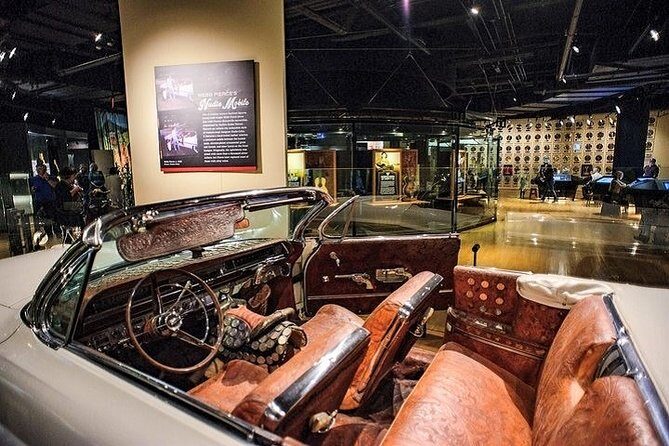
This is your classic opening move, and it works. The Country Music Hall of Fame and Museum gives you a fast entry point into Nashville’s sound—who shaped it, what changed over time, and how the industry built itself into a global brand.
You’ll have about 15 minutes here, with admission listed as free. That short window means you won’t see everything, but you can still get a lot out of a focused look if your guide points you toward the right displays. Think of it like setting your playlist for the rest of the trip: you leave with names you’ll recognize and context you’ll remember when you hear those artists later.
My practical suggestion: if you’re the type who likes to read every label, this stop may feel rushed. If you’re more about big-picture understanding and a few standout exhibits, it’s a good match.
Stop 2: Grand Ole Opry for Photos and Legends

Next up is the Grand Ole Opry, one of Nashville’s most recognizable music institutions. You’ll get around 20 minutes here, and the admission is listed as free with time to take selfies with music legends.
The guide’s focus includes musician history tied to major names like Dolly Parton, Johnny Cash, and Reba McEntire. That matters because it turns the stop from a simple photo break into a mini lesson in how the Opry became a long-running cultural machine.
In this kind of stop, the “win” is moving efficiently. You get in, you take the photos you came for, and you learn a few connections you’ll use later. If you’re hoping for a long sit-down moment inside a show setting, this is probably not the right format; the time is meant for a highlight visit.
Stop 3: Musicians Hall of Fame and Museum Inside the Municipal Auditorium

This stop has a nice surprise angle: it’s inside the historic municipal auditorium, which adds an extra layer to the experience. You’ll spend about 15 minutes, with admission listed as free.
The Musicians Hall of Fame and Museum is aimed at showing you the behind-the-scenes part of music. The idea isn’t just “famous artists,” but also engineers and producers—the people who helped shape songs and recordings that became iconic across genres like country, rock, and soul/pop.
The draw here is that you start recognizing music as a craft, not only a performance. If you care about how sound gets made, or you like stories about the technology and process, this stop tends to hit harder than you might expect for a quick visit.
One caution: in a short time, it can be hard to choose what to focus on. Follow your guide’s direction and don’t try to do everything.
Stop 4: Music Row and the Recording Studio Streets
Then you get to Music Row with about 10 minutes. That’s basically a guided orientation moment: where studios are clustered, how the neighborhood functions, and why this area became synonymous with recording in Nashville.
Even with a short stop, it’s useful because it connects the dots between the museums and the modern music industry. After you’ve seen the museum angle, Music Row helps you picture the work happening day after day—sessions, collaborations, and the machinery behind hit records.
If you’re a fan who wants studio tour access or inside visits, this isn’t that. But it’s a strong “get your bearings” stop and helps you decide what to seek later.


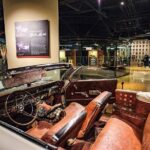


The Man in Black, Patsy Cline, and Other Music Story Stops
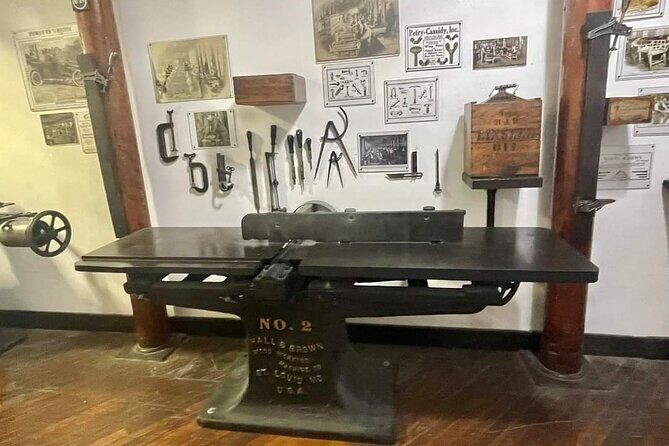
This tour doesn’t stay only in museums. You’ll also make time for stops tied to classic country legends and the city’s identity.
You’ll visit a tribute to the Man in Black, featuring personal memorabilia and exhibits about Johnny Cash’s influence. It’s the kind of stop that works especially well if Cash is part of your personal music map. Even if you’re not a superfan, it gives you a clear Nashville thread: one artist can reflect a whole era.
There’s also a stop focused on Pasty Cline/Buddy Keelan—the names given for two country music icons whose careers changed the genre. In practical terms, it’s another “story stop,” meant to add human context and connect the dots between different parts of Nashville’s music evolution.
These kinds of short legend stops can be hit-or-miss depending on your interests. If you came for a broad sampling of music culture, you’ll probably enjoy the variety. If you want a strict museum-only schedule, you may feel like you’re not spending enough time at each museum to satisfy your curiosity.
Belmont and Vanderbilt Area: Big Southern Mansions in the 2nd Half
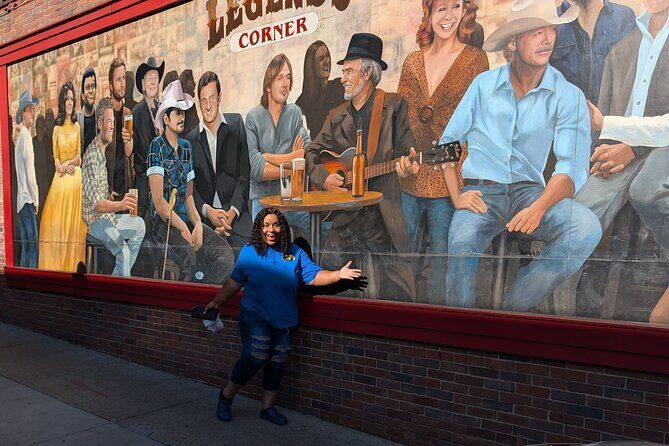
One of the standout “change of pace” moments is the Vandy/Belmont mansion area. You’ll tour Nashville’s prestigious university and visit Belmont Mansion, described as a showcase of Southern grandeur.
This part is valuable even for music fans because it broadens the picture of Nashville beyond sound stages. It gives you a sense of how architecture, institutions, and neighborhood identity shape the city’s vibe.
The time is limited, so you’ll want to treat it as a visual and story introduction. If you love historic buildings, you may want to come back later on your own for longer walking time.
From the Red Light District to Jazz and Speakeasies

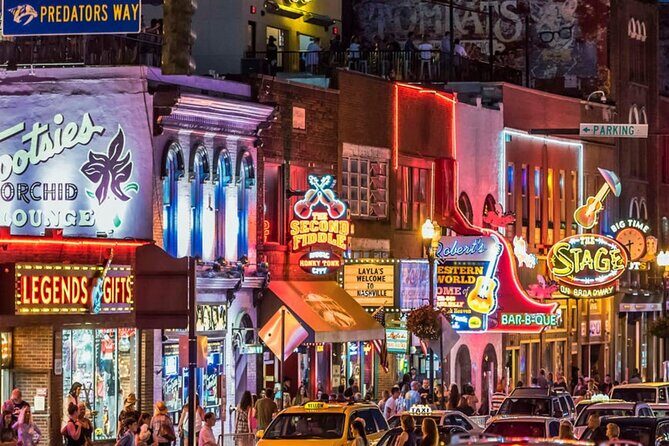
Then you’ll head to the Red Light district, explained as the former publishing industry hub in the late 19th and early 20th century. Today, it’s framed as a Jazz/Blues entertainment district with nightlife, speakeasies, and secret bar energy.
You’ll also hear how the area has evolved: from an older adult “jet setter” kind of past to today’s more modern performance and drinking scene. For me, this is one of the most interesting segments because it shows how Nashville repackages itself over time without completely erasing its earlier identity.
Don’t come expecting quiet daytime history walking. This area is meant to be experienced as a neighborhood with mood. With limited time, your guide will point you at the most meaningful streets and what to pay attention to.
Woolworth on 5th: A Stop With Real Meaning
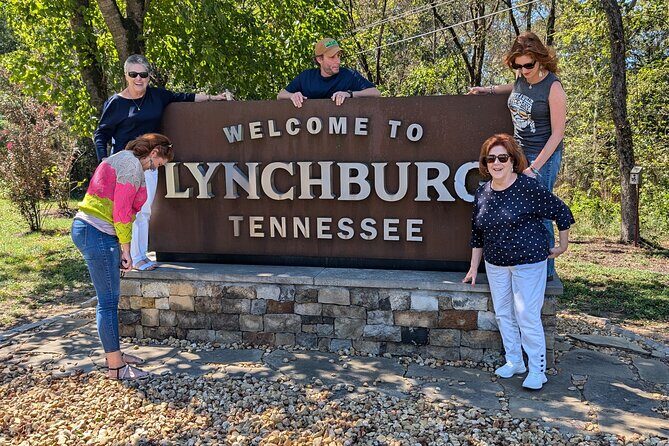
You’ll also visit Woolworth on 5th, tied to the Fisk area and the peaceful protest against segregation in the 1960s. This isn’t a “music museum” stop, but it matters because it adds context to Nashville as a lived city, not only a stage.
If you tend to skip sites that don’t feel like obvious tourist magnets, I’d encourage you not to. Even a brief stop can help you understand the human side of the city’s history, which makes all the music and entertainment framing feel more grounded.
North Nashville’s Happy Rainbow District and the Indoor Lazy River Detour
In the second half, you’ll visit North Nashville’s Happy Rainbow district—described as a place where free spirits roam, with many historical houses transformed into bars, motels, restaurants, and wine houses. The street view can hide what’s inside, and the goal here is to show you where to look for the fun stuff.
The guidance you get matters because this is one of those areas where you can walk right past it without knowing. If you’re hoping to find something artsy, casual, or a bit odd in a good way, this stop is a solid “street-level” introduction.
Next, there’s a stop at what’s described as a hotel/theme park with an indoor lazy river, indoor waterfalls, and an atrium throughout. The point here seems to be the visual and comfort factor, plus a recognizable landmark you can later use as a meet-up point or reference.
If you’re traveling with kids or you like weird indoor attractions, this may be a welcome shift. If you’d rather spend every minute on music landmarks, it might feel like a detour. Either way, it breaks up the schedule.
Andrew Jackson’s Hermitage: Admission Not Included
Finally, there’s Andrew Jackson’s Hermitage, about 20 minutes on the schedule. Admission is listed as not included, so this becomes a decision point.
Here’s the practical way to think about it:
- If you want the inside experience—museum rooms, grounds, and exhibits—you’ll need to budget extra for admission.
- If you’d rather save money, you might spend your time looking from what’s available in the time window and focus on what you can learn without paying extra.
Because you only have around 20 minutes, the quality of this stop depends on whether you actually pay in. If it’s on your must-see list, pay and make it count. If it’s more of a background interest, use this moment to get the setting and then move on.
What You Actually Get for $55: Value Breakdown
This is where the math helps. You’re paying $55 for:
- Private transportation
- A tour guide with commentary
- Bottled water
- A packed schedule including multiple stops with admission tickets listed as free
- A final stop where admission is not included (Hermitage)
If you’re the kind of person who would otherwise pay separate entrance fees for several of these places, the free admissions make the price feel much more reasonable. Even if you don’t love every stop, the structure keeps you moving between “music identity” landmarks and “city story” landmarks, without forcing you to handle parking or navigation.
The hidden cost to watch for is the one you can predict: Hermitage admission plus whatever you choose to buy at the neighborhoods and entertainment stops. Meals and snacks are not included, so plan for your own food breaks. This is one of those tours where you’ll want to eat before or after, not expect it to handle hunger.
When Things Go Wrong: Pickup Reliability and Weather
This tour’s biggest risk isn’t the content. It’s the execution. There are reports of a no-show pickup, where people waited outside a hotel and couldn’t get through. That’s not something you can shrug off, because missing pickup means missing the whole schedule.
So here’s what I’d do to protect yourself:
- Keep your confirmation details handy and double-check pickup timing close to departure.
- Be ready at the pickup spot a bit early and keep your phone on.
- If something seems off, act fast instead of waiting around until you’re late.
Weather matters too. The experience requires good weather, and if it’s canceled for poor conditions you should get offered a different date or a full refund. That’s at least a safety net.
Should You Book the Nashville Scenic Tour Up Close?
Book it if you want a music-first orientation in a short window, especially if you’re visiting for the first time and want to know what to return to later. The mix of Country Music Hall of Fame, Grand Ole Opry, Music Row, and story stops like Woolworth on 5th helps you build a Nashville map you can use.
Skip it (or at least think twice) if you have a tight schedule and can’t handle any risk around pickup timing. When a tour’s reliability is a concern, the best strategy is to have flexibility in your day and stay on top of the timing.
If you do book, go in with the right expectations: this is a fast guided highlight ride, not a slow museum crawl. Use it to get your bearings, collect the names you want to remember, and then plan your deeper visits on your own.
FAQ
How long is the Nashville Scenic Tour Up Close?
It runs about 1 hour 25 minutes.
How much does the tour cost?
The price is $55.00 per person.
What time does the tour start?
The start time is 2:00 pm.
Is pickup offered?
Yes, pickup is offered, and private transportation is included.
Is this a private tour?
Yes. Only your group participates.
Does the tour use a mobile ticket?
Yes, mobile ticketing is included.
Are the attractions free?
Some stops list admission tickets as free, while Andrew Jackson’s Hermitage has admission not included.
Are meals included?
No. Meals or snacks are not included.
What language is the tour in?
The tour is offered in English.
What happens if the weather is poor?
If it’s canceled due to poor weather, you’ll be offered a different date or a full refund.
Can I bring a service animal?
Yes, service animals are allowed.