REVIEW · NASHVILLE
Civil War Tour with Lotz House, Carter House & Carnton Admission from Nashville
Book on Viator →Operated by Gray Line Tennessee · Bookable on Viator
That morning felt heavier than the other stops.
This full-day trip takes you to the center of the Battle of Franklin and its aftermath, through three places that still show scars—bullet holes, cannon damage, and even bloodstains inside the homes. I especially like the way the day is timed around real battlefield geography, then tested again at the houses with very visual evidence. I also like that admissions are bundled (you are not hunting tickets between stops). The main drawback to plan for is standing and walking—bring comfortable shoes, and expect a fairly full day.
You start downtown in Nashville and head out with an air-conditioned shuttle, then get a solid block of time back in Franklin for your own lunch and browsing. If you get guides like Roger or Julie, you will likely get clear, story-driven explanations of what happened on November 30, 1864 and what the locals faced afterward. Just don’t count on the lunch break being huge, so have your quick game plan.
In This Review
- Quick hits
- From Nashville to Franklin: your 9:00 a.m. start and shuttle ride
- The Battle of Franklin: five bloodiest hours made human
- Carter House: bullet-scarred Federal headquarters in the fight’s center
- Lotz House Museum: cannon holes, bloodstains, and the morning after
- Carnton Plantation: Confederate field hospital and the private cemetery
- Franklin town square time: lunch, shopping, and a breather
- Guides, pacing, and what to watch for in a full day
- Price and value: what $101.90 buys you
- Practical tips for a smoother Civil War day in Franklin
- Should you book the Civil War Tour with Lotz House, Carter House & Carnton?
- FAQ
- What is the tour duration and start time?
- Where do I meet for the tour?
- How much does the tour cost?
- Is admission included for the historic sites?
- What’s included besides admissions?
- Is lunch included?
- What language is the tour offered in?
- How many people are in the group?
- Are service animals allowed?
- What if the weather is bad?
Quick hits
- Three battlefield-linked sites in Franklin with on-site storytelling to connect the dots
- Carter House: hundreds of bullet holes where Federal headquarters was set during the fighting
- Lotz House Museum: cannon damage and bloodstained rooms from when it became a hospital
- Carnton Plantation: a 48-acre farm and Confederate field hospital, plus the largest private Confederate cemetery in the US
- Small group cap (up to 24) keeps the day from feeling like cattle-car history
From Nashville to Franklin: your 9:00 a.m. start and shuttle ride
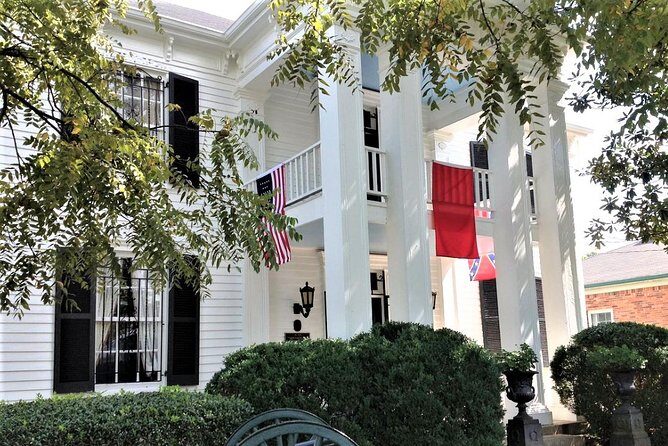
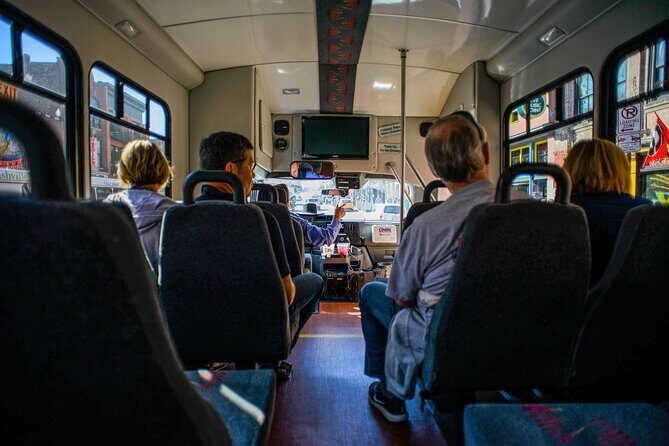
The day runs about seven hours, starting at 9:00 a.m. from 108 1st Ave S in downtown Nashville, near the Riverfront Train Station. The meeting point timing matters: arrive about 15 minutes early so you can get settled before the shuttle rolls.
Once you’re on board, you’re not just driving to museums. You’re getting battlefield context while you travel, which helps a lot when you step out later and see houses with visible damage. The shuttle is air-conditioned, and the tour uses a mobile ticket (nice when you do not want to juggle paper).
Group size is kept to a maximum of 24. That tends to make it easier for staff to manage pacing at each stop, and it usually makes Q&A (when it happens) feel less chaotic.
If you're still narrowing it down, here are other tours in Nashville we've reviewed.



The Battle of Franklin: five bloodiest hours made human
The big theme you’ll keep coming back to is the Battle of Franklin, fought on November 30, 1864, often called the five bloodiest hours of the Civil War. The tour’s value is not only that you hear facts—it’s that you learn where each side positioned themselves, so the houses stop being random “historic buildings” and start acting like points on a map.
At every site, the interpretation leans on the human scale: people in rooms, families forced into new roles, and the shock of what residents saw the next morning. One reason people rave about this tour is that the tone is set to match the subject. It’s not a casual walk-through; it’s a guided lesson that keeps the weight of the day in view.
If you have a history brain that likes clarity, you’ll probably appreciate the structure: battlefield overview, then Carter House, then Lotz House, then Carnton. The day builds rather than jumping around.
Carter House: bullet-scarred Federal headquarters in the fight’s center
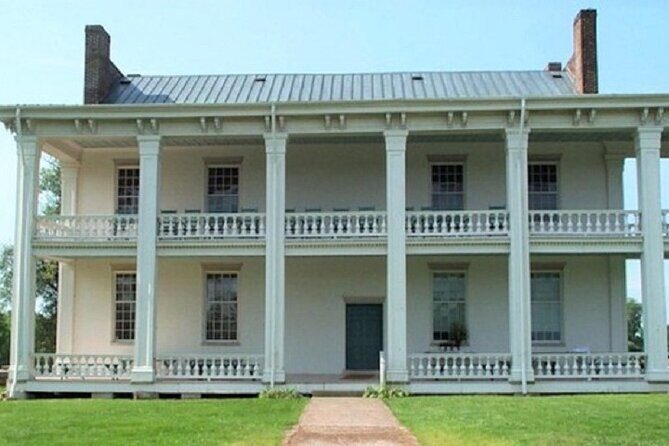
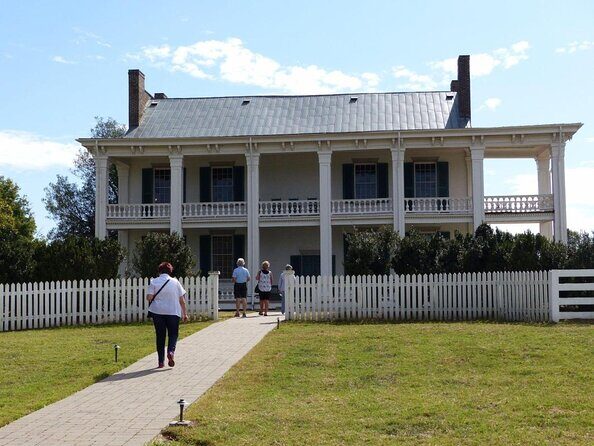
Carter House is your first major immersion moment—because you arrive to a place that looks like a home and yet carries the evidence of intense combat. It sits at a key point during the battle, and the tour frames it as the center of the Union position.
Inside and around the property, you’ll see hundreds of bullet holes. That is the kind of detail that changes how you picture a battle. Instead of imagining damage in theory, you see damage where people were sheltering, moving, and working.
A possible consideration here: this stop includes a lot of standing and looking up and down as you track the damage. If you’re sensitive to long periods on your feet, plan to move carefully, and bring comfy shoes rather than your most fashionable pair.
What I like about Carter House on this route is that it anchors the story. Once you understand how the Federal side used the building during the fighting, the next stops make even more sense.
Lotz House Museum: cannon holes, bloodstains, and the morning after

If Carter House shows you combat, the Lotz House Museum shows you what happens immediately after. The Lotz House was used as a makeshift field hospital, and that role is part of the interpretation you’ll hear as you move room to room.
This is one of the most emotionally direct stops. You’ll see cannon ball holes, along with bloodstains on floors and walls. The tour helps you connect those marks to the reality of overcrowded care and sudden tragedy, right when people thought they were just dealing with a battle outside their door.
The other reason this stop hits: it pushes the story beyond the shooting. You are asked (by the way the sites are framed) to imagine Franklin residents emerging after the fighting and confronting what remained—more than 9,500 casualties in the broader outcome you’re learning about.
I also think Lotz House is where many people decide if this tour is for them. If you want a light day with a few facts, this one is too intense. If you want straight, grounded Civil War context, it delivers.
Carnton Plantation: Confederate field hospital and the private cemetery
Carnton Plantation is the larger, more spread-out piece of the day—and it shifts from the intimacy of a house to the scale of a farm that was repurposed for wartime care. The tour explains that a Confederate general ordered Carnton to be used as a field hospital after the Battle of Franklin, and later the site became an enduring memorial.
The property is 48 acres, so you’ll get a different feel than at the houses. You’ll also hear how the day unfolded and what followed, with a special focus on the aftermath at this location.
The biggest “only-in-Franklin” aspect here is the cemetery. Carnton has a graveyard for Confederate soldiers who perished, and it is described as the largest private Confederate cemetery in the United States. That line matters. You’re not just seeing a marker; you’re seeing how one plantation became a long-term place of memory.
Here’s the practical note: because the grounds are larger, you’ll likely do more walking. If you’re the type who likes photos, this stop gives you good opportunities—but do not let picture-taking rush you. The meaning of Carnton is in the pacing and in hearing the narrative while you’re physically on the site.





Franklin town square time: lunch, shopping, and a breather
After the main historic stops, you get free time in Franklin to shop, eat, and view additional historic sites on your own. Lunch is on your own, so you’ll be choosing from the local options in town.
One detail I found useful to plan around: lunch and town time can feel tight if you want both a sit-down meal and leisurely browsing. Some people find it about right for a quick reset; others wish there was a little more breathing room. Either way, go with a plan: pick one or two shops you care about, then decide if you want more time afterward.
This block is also where the day’s heaviness shifts a bit. You get to step back from the battle story and enjoy Franklin’s walkable center. If you’re visiting as a history-minded group, this is often the moment people go from thinking to talking—food, souvenirs, and what stuck with them.
Guides, pacing, and what to watch for in a full day
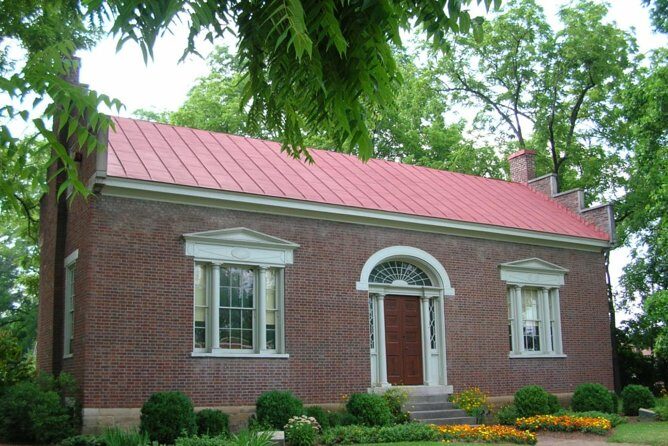
The tour’s strongest ingredient is the storytelling. The day is built so that multiple guides (not just one) help bring the places to life. People especially mention tour guides like Roger and Julie, and some also note the bus driver Nick and Jeff for adding helpful local context on the ride.
I like this multi-guide approach because it avoids the one-person lecturing problem. Each stop can focus on what matters most there: Carter House for Federal positioning, Lotz House for the hospital role and the brutal aftermath, Carnton for the plantation repurposing and cemetery memorial.
That said, there is a drawback worth stating clearly: the day can feel information-heavy and physically demanding. You will be standing, looking, and listening for long stretches. If you’re traveling with someone who struggles with mobility, you’ll want to slow down, take short breaks, and consider the ADA options.
Group size is capped at 24, and that helps reduce stress. Still, you’re moving on a schedule, so keep expectations aligned with a one-day plan rather than a slow museum day.
Price and value: what $101.90 buys you
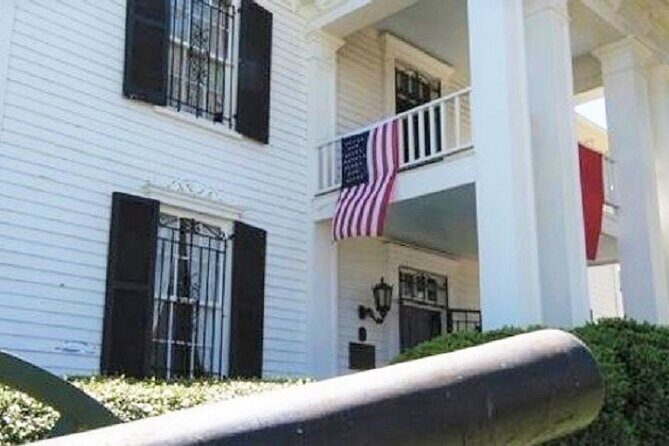
At $101.90 per person, this tour is not a cheap impulse buy. But you’re also not just paying for transportation and a generic talk. You’re getting round-trip shuttle from Nashville, guided interpretation tied to battlefield geography, and admission included for Lotz House, Carter House, and Carnton Plantation.
So the value comes from the combo: guided context plus paying entrance fees that you would otherwise pay separately. That matters most if you’re trying to do this efficiently with limited time in Nashville.
Another subtle value point: admissions included removes a lot of friction. When you have a tight day, the easiest trip is often the one where tickets are already handled.
One more tip: wear comfortable shoes and plan to spend your money in town on lunch rather than trying to squeeze snacks between stops. Bring water if you can; at least one person wished the tour provided it, which is a fair guess since it is not listed as included.
Practical tips for a smoother Civil War day in Franklin
A few things will make your day feel easier:
- Wear comfortable, supportive shoes. This is a standing and walking day, especially at Carnton and the house interiors.
- Bring a light layer. The shuttle is air-conditioned, and historic sites can feel cooler or warmer than you expect.
- Plan lunch smart. It’s on your own, so decide if you want quick service or time for a longer sit-down.
- Take listening breaks. If you need a breather, step outside briefly between rooms rather than waiting for the whole stop to end.
- Use your phone for the mobile ticket. Keep it handy at each check-in moment.
If you love history, you’ll also want to arrive mentally ready for hard details. This is not a battle reenactment; it’s a guided visit to places where the damage is still visible.
Should you book the Civil War Tour with Lotz House, Carter House & Carnton?
I’d book it if you want the kind of Civil War experience that makes the past feel specific—houses with bullet holes, rooms that served as a hospital, and a cemetery memorial that lives on long after the fighting stopped. The day is also a good fit if you’re okay with a full schedule and you like guided structure.
I’d skip or rethink if you want lots of downtime, limited walking, or a lighter tone. This trip is meant to hit hard. For the right person, that’s the point—and it’s why so many people recommend it.
FAQ
What is the tour duration and start time?
The tour runs about 7 hours and starts at 9:00 am from downtown Nashville.
Where do I meet for the tour?
You meet at 108 1st Ave S, Nashville, TN 37201, near the Riverfront Train Station.
How much does the tour cost?
The price is $101.90 per person.
Is admission included for the historic sites?
Yes. Admission is included for Lotz House, Carter House, and Carnton Plantation.
What’s included besides admissions?
You get round-trip transportation from Nashville on an air-conditioned shuttle, plus a guided Civil War and history day tour.
Is lunch included?
No. Lunch is on your own during the free time in downtown Franklin.
What language is the tour offered in?
The tour is offered in English.
How many people are in the group?
The tour has a maximum of 24 travelers.
Are service animals allowed?
Yes, service animals are allowed.
What if the weather is bad?
This experience requires good weather. If it’s canceled due to poor weather, you’ll be offered a different date or a full refund.