REVIEW · NASHVILLE
Civil Rights Tour Of Nashville
Book on GetYourGuide →Operated by United Street Tours - Nashville · Bookable on GetYourGuide
Nashville’s Civil Rights story surprises people.
This tour traces how the movement unfolded in music-country streets, led by students from the city’s predominantly Black universities with non-violent protests in the 1950s and 60s. I like how it connects the past to present-day questions about race and equality, without turning the topic into a lecture.
I love the storytelling quality. Chiquita, the guide highlighted in past tours, brings the lunch counter sit-ins to life in a clear, inspiring way. I also like the chance to see the key places in person, including the Woolworth lunch counter area and the library’s Civil Rights room.
One thing to plan carefully: the info is mixed on wheelchair access. It’s listed as wheelchair accessible, but it also says it’s not suitable for wheelchair users, so you’ll want to confirm before you book.
In This Review
- Key highlights worth your time
- Nashville’s Civil Rights story is right in the open
- Starting at 501 Broadway: your simple, no-fuss orientation
- The Woolworth lunch counter: where the sit-in story lands
- Former Woolworths and the library Civil Rights room
- How the guides connect 1950s activism to today’s fights
- Rare sights, strong photo moments, and an off-the-beaten-path route
- Timing and comfort: 2 hours that won’t drag
- Price and value: is $298 per person worth it?
- Who this Civil Rights Tour is best for
- Should you book Civil Rights Tour of Nashville?
- FAQ
- Where do I meet for the Civil Rights Tour of Nashville?
- How long is the tour?
- What does the tour cost?
- What’s included in the price?
- What language is the tour guide?
- What should I bring?
- Is the tour wheelchair accessible?
- What is the cancellation policy?
Key highlights worth your time
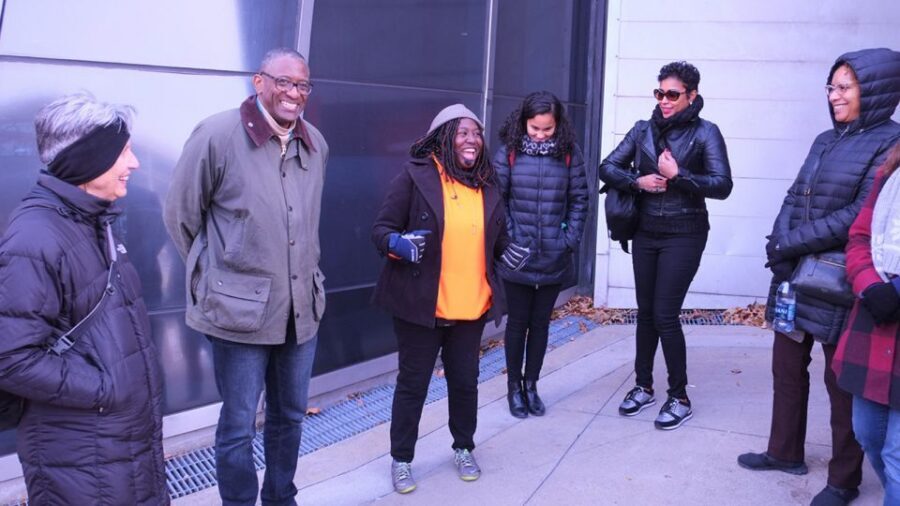
- Chiquita-style storytelling that makes the sit-ins feel real
- A hands-on stop at the Woolworth lunch counter area
- Former Woolworths landmarks plus the Civil Rights room inside the library
- Rare, off-the-beaten-path spots for photos and context
- Links between past activism and today’s diversity and inclusion
Nashville’s Civil Rights story is right in the open

Most people arrive in Nashville thinking of country music first. This tour flips that order a bit. The big idea is simple: while Nashville may be famous for lyrics and guitars, it also played a serious role in the Civil Rights Movement.
You’ll focus on the 1950s and 60s, especially the non-violent protests pushed forward by students at the city’s predominantly Black universities. That angle matters because it’s not just about dates and big names. It’s about who organized, how they organized, and what courage looked like in everyday life.
The tour also frames the movement as American history, not just a segment of one community’s story. And it doesn’t leave you there. You’ll hear parallels between what happened then and what’s happening now around race, diversity, and inclusion. For me, that’s the most practical takeaway: history becomes something you can think with, not something you just remember.
If you're still narrowing it down, here are other tours in Nashville we've reviewed.



Starting at 501 Broadway: your simple, no-fuss orientation
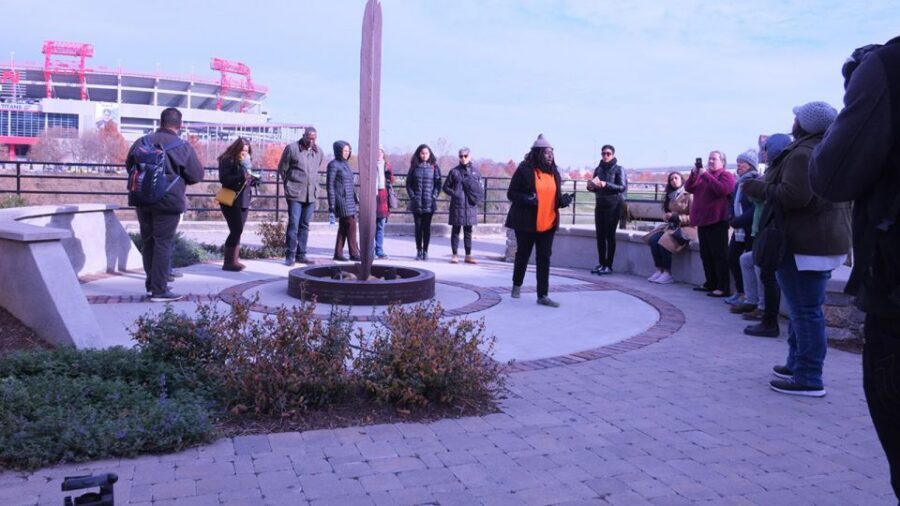
You’ll meet at the front door of the Nashville Visitor Center, 501 Broadway. That matters because it’s an easy starting point—no maze of obscure addresses, no scavenger hunt.
From there, you’re in walking mode. The tour is described as about 2 hours total, with roughly 1.5 hours of walking time. That pacing is good if you want a guided route through meaningful places without spending half a day on the move.
Also, bring comfortable shoes. This is the kind of tour where you’ll be glad you did. Short walks can still add up when you’re standing, looking closely, and pausing for context.
The Woolworth lunch counter: where the sit-in story lands

The heart of the experience is the stop tied to the Woolworth lunch counter sit-ins. You’ll sit with the guide and hear how those protests worked—why that location mattered, and how the strategy of non-violent action created pressure.
This isn’t framed as a generic Civil Rights stop. It’s presented as a moment with real mechanics: students showing up, making a demand, staying calm, and forcing a conversation that people couldn’t dodge. The guide’s job is to connect the story to the place you’re standing in, and that connection is where the tour tends to shine.
There’s also an interesting continuity here. The tour mentions the new Woolworth and how it represents change that activists fought for. So instead of treating the sit-ins as a closed chapter, you see how the idea of progress left an imprint on the city’s landmarks.
If you like tours that give you both location and meaning, you’ll probably find this stop the most memorable part of the walk.
Former Woolworths and the library Civil Rights room
After the lunch counter focus, you’ll continue to other significant Civil Rights sites. The tour specifically calls out seeing former Woolworths and the city’s library—especially a Civil Rights room inside the library.
This second stop type is valuable because it shifts from what people did in public spaces to what the city preserves for future learning. A room dedicated to Civil Rights material works like a bridge: you get the emotion of the street-level story, then you get an indoor space where the details can be held onto.
One review praised the library’s Civil Rights room as part of why the tour felt inspiring. That tracks with what you should expect from a stop like this. It gives you a different way to absorb the material—less about immediate attention and more about focused reflection.
And since the tour is designed with a more off-the-beaten-path approach, this kind of stop can feel like a bonus. You’re not just ticking boxes. You’re getting a sense of what Nashville chose to keep visible.
How the guides connect 1950s activism to today’s fights
A Civil Rights tour can easily become either too abstract or too heavy. The approach here is different: the guides actively help you build meaning.
The tour description highlights a behind-the-scenes take and even a renewed sense of activism around race and equality. The goal isn’t to hand you a speech. It’s to show how the movement connects to the world of diversity and inclusion now—so you can think about patterns, not just events.
Chiquita is specifically mentioned in past feedback as a great guide and wonderful storyteller. That’s a big deal because storytelling is what turns a list of locations into a narrative you can remember. When the guide can clearly explain why a specific place mattered and how decisions were made, the facts stick better.
The result is a tour that can feel both educational and motivating. You’ll walk away knowing where to look for the Civil Rights story in Nashville, and you’ll also have prompts for thinking about what non-violent activism looks like in your own time.






Rare sights, strong photo moments, and an off-the-beaten-path route
The tour promises unique and rare sights, plus photo-friendly stops. That’s not just about pictures. When a place is visually distinctive, it helps your brain store the context.
You’ll also get that off-the-beaten-path approach, meaning you’re not only seeing the most obvious tourist spots. Instead, the emphasis is on attractions with Civil Rights significance and local hideaways tied to the story.
If you like walking tours that feel curated toward a theme (and not toward selfies in front of the same landmarks), this one fits. The route is short enough to stay manageable, but the stops are chosen for meaning.
Timing and comfort: 2 hours that won’t drag
This experience is designed to be short, focused, and walkable. Duration is listed as 2 hours total, with about 1.5 hours of walking time.
That timing is practical if:
- you’re in Nashville for a limited number of days,
- you want a guided experience without committing to a long day,
- you prefer to absorb history while the guide is there to answer questions.
The main comfort factor is simple: wear comfortable shoes. This tour is about moving through multiple points of interest, pausing to learn, and using the places around you as part of the lesson.
Price and value: is $298 per person worth it?
At $298 per person for a 2-hour guided tour, this isn’t a budget add-on. But it can still be good value if you care about depth, guidance, and specific stops—not just general sightseeing.
Here’s what you’re paying for:
- a professional guide who turns locations into a coherent Civil Rights narrative,
- entrance fees (if applicable), which reduces the hassle of tracking extra costs,
- a focused route that takes you to the Woolworth lunch counter area and the library Civil Rights room.
The biggest value argument is the guide-led storytelling at the key moments. A theme like the Civil Rights Movement needs context. Without a good guide, you can end up reading plaques and missing the connections. With the right guide style, you’ll leave with a clearer sense of what happened and why it mattered.
If you’re someone who enjoys history tours that feel human—about choices, courage, and consequences—this price may feel fair. If you mostly want casual strolling with light information, it may feel steep.
Who this Civil Rights Tour is best for
This experience fits well if you:
- want Nashville context beyond music and nightlife,
- enjoy guided walks where each stop has a clear purpose,
- like tours that connect past activism to present-day diversity and inclusion.
It may be less ideal if:
- you need a fully seated, no-walking format,
- you’re looking for a long museum-style experience rather than an outdoor-and-stops approach.
Also note the conflicting wheelchair information. The tour is marked wheelchair accessible in the general activity info, but it’s also labeled not suitable for wheelchair users. If mobility is part of your planning, you should confirm with the provider before committing.
Should you book Civil Rights Tour of Nashville?
I’d book it if you want a guided Civil Rights route that takes you to meaningful places like the Woolworth lunch counter area and the library’s Civil Rights room, then ties it to questions of race and equality today. The focus on non-violent protests led by students in the 1950s and 60s gives the story a clear center of gravity.
Skip it—or at least double-check details—if you’re price-sensitive or if mobility constraints require total certainty about access. And if you want only a quick stop photo tour, this is likely too structured and story-driven for that style.
If you’re the type who likes learning while walking and leaving with specific places you can point to in your mind, this tour is a strong match.
FAQ
Where do I meet for the Civil Rights Tour of Nashville?
Meet by the front door of the Nashville Visitor Center, 501 Broadway.
How long is the tour?
The tour duration is listed as 2 hours.
What does the tour cost?
The price is listed as $298 per person.
What’s included in the price?
The tour includes a professional guide, and entrance fees if applicable.
What language is the tour guide?
The tour is offered with a live English-speaking guide.
What should I bring?
Bring comfortable shoes.
Is the tour wheelchair accessible?
The activity info says wheelchair accessible, but it is also marked not suitable for wheelchair users. You should confirm access details with the provider before booking.
What is the cancellation policy?
Free cancellation is listed up to 24 hours in advance for a full refund.