This self-guided smartphone audio walk gives you an easy, GPS-led way to see how the Broadway area connects to country legends, without waiting on a group. I especially like the flexible pace (pause for a drink or shopping, then pick up again) and the fact that once you buy it, it never expires—you can reuse it whenever you want. The main thing to watch is that you’re walking outside with street noise, and the audio experience depends on your phone working well (battery, GPS, and signal).
The route is short—about 50 minutes to 1 hour—so it works great for a first visit when you want context fast. You’ll start outside Boot Country on Broadway and end near the Johnny Cash Museum, with stories that connect honky-tonk storefronts to big names in country music. It’s also designed for solo travelers or couples who like to wander on their own terms, which is a rare win in a place where plans can get swallowed by crowds.
Key things to know before you go

- GPS navigation + on-your-phone audio means you don’t need to coordinate with anyone else.
- No entrance fees for the stops since it’s an outdoor walking route.
- Music-story stops with real names, including Wildhorse Saloon and Printer’s Alley legends.
- Once purchased, it never expires, and after the on-location walk, a virtual listen option becomes available.
- Short and walkable: you’re in and out of the Broadway/2nd Ave area fast.
Cost and timing: $6.75 for a short, repeatable walk
At $6.75 per person, this is priced like a cheap thrill with a big payoff. The value isn’t just the price tag—it’s that you can do it at your own speed and repeat it later, so you’re not paying for one quick moment. For first-timers, that matters: the best tours help you understand what you’re seeing, and this one gives you that context without extra ticket costs at each stop.
Timing is also a strength. You’re looking at roughly 50 minutes to 1 hour, so it fits between meal plans and museum visits. And since the tour is based on a walking loop in the Broadway corridor, you can think of it as a “get your bearings” experience that still leaves time for real Nashville wandering.
This is offered in English, and it’s listed as a private activity for your group—meaning it’s just you (or your party) using the app, not a shared guided tour with strangers. That’s ideal if you prefer your schedule to be yours.
How the GPS audio app works when Nashville gets noisy
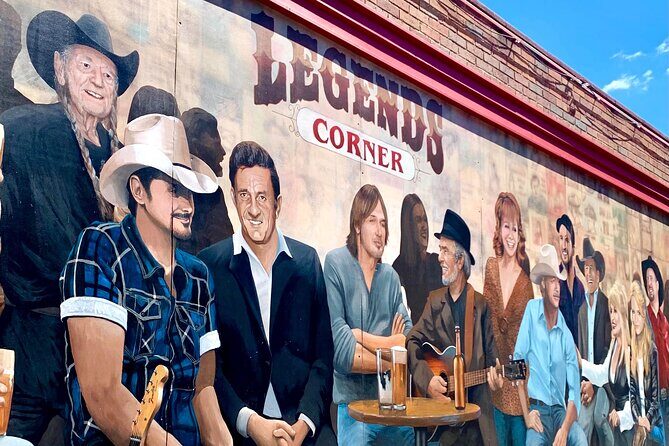
This is a smartphone navigated audio tour, so the app handles the sequencing and route guidance using GPS. Practically, that means you’re not stuck trying to match an old-school paper map to a dozen neon signs. You follow the prompts, listen as you go, and when you pause, you’re not “missing” your guide—your spot is yours to resume.
One thing to be realistic about: you’re walking outdoors in an entertainment district. You will hear real-world sound—traffic, music, people talking. If you want the audio to feel crisp, the tour doesn’t include headphones, so I strongly suggest you bring your own earbuds. If you’re sharing, you can keep things simple by using whatever audio setup works best for you.
Also, plan like an audio traveler. Keep your phone charged. If your battery is low, you’ll feel it in the last stretch, especially if you’re also taking photos and checking nearby places.
Starting at Boot Country on Broadway (Stop 1)
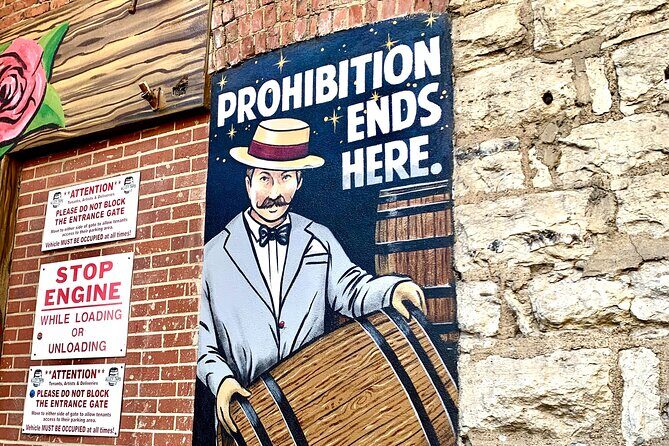
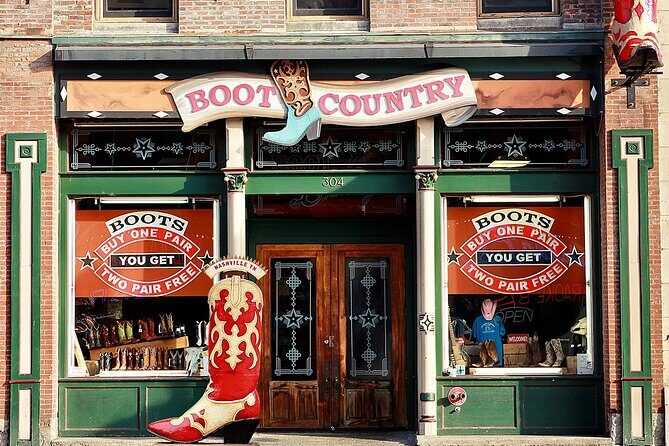
Your tour begins at Boot Country, 304 Broadway, Nashville, TN 37201. The plan here is straightforward: you stay outside the shop and start listening. This is a clever first stop because it’s Nashville in boots and attitude—exactly the kind of storefront that makes the Broadway area feel like a living stage.
The standout detail is scale: Boot Country has more than 20,000 pairs of boots in stock. Even if you’re not buying anything, that number puts you in the right mindset. It’s not just a shop; it’s a symbol of how seriously Nashville leans into country culture.
Why this works as a start: it gives you a visual anchor immediately. From there, the audio stories can travel with you instead of feeling like random facts. You also start on the Honky Tonk Highway, which keeps the walk grounded in the place itself.
Practical tip: if you do want to look closer, do it quickly and safely. The stop is designed for outside viewing, so keep your walking flow in mind.
Wildhorse Saloon and Reba’s 1994 cattle-stampede story (Stop 2)
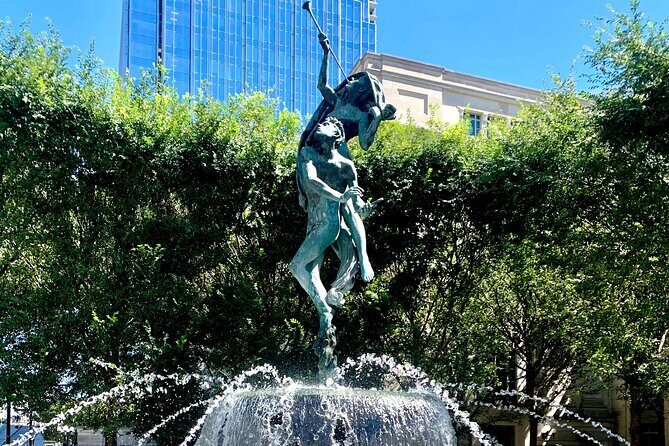
Next up is Wildhorse Saloon, a venue with serious Nashville gravitas. It opened in 1994 in a converted warehouse, which you can usually feel in the building vibe—even before you hear the backstory.
Here’s the kind of detail that makes an audio tour worth it: on June 3, 1994, Reba McEntire allegedly herded a stampede of live cattle through the streets of Music City, down 2nd Avenue, and right past Wildhorse Saloon’s front doors. That’s the sort of story that turns a normal walk into something cinematic.
What I like about this stop is the “walk-and-learn” rhythm. You’re not reading a plaque. You’re moving along the same street context where events like this took place, so the story feels tied to the geography—not floating in the air.
Up 2nd Avenue North: the area’s tough moments (Stop 3)
After that, you head up 2nd Avenue North. The audio focuses on historic stories of the area, including a mention of a bombing. Even without extra specifics spelled out here, the key value is that the tour doesn’t treat the district as only fun and music. It acknowledges that a city’s entertainment places carry real-world consequences and change over time.
As a traveler, you can handle this section in a grounded way:
- Keep your attention on the app timing and street crossing safety.
- Treat it like a moment to zoom out from neon and zoom in on context.
This stop is about perspective. The more you understand that, the more you’ll notice how Nashville rebuilt and repurposed spaces around music.
Printer’s Alley: from print shops to legends in the “men’s quarters” (Stop 4)
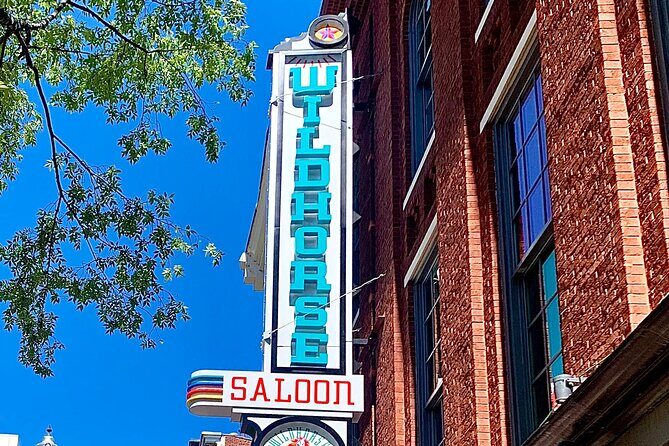
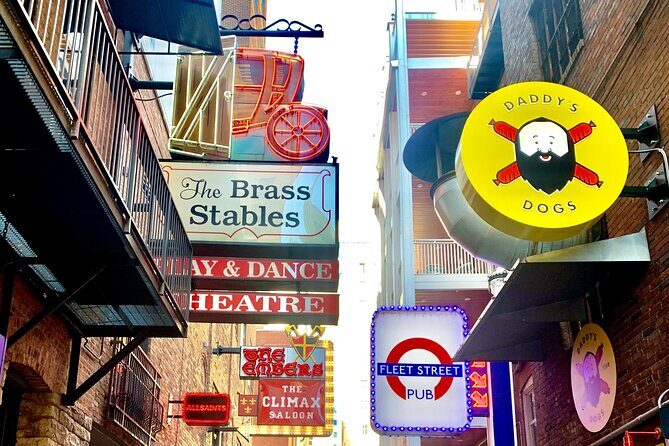
Now you’re in the heart of the “how did these stars start here?” storyline. Printer’s Alley used to house local print shops, and over the last century it shifted into the area people associate with nights out: the so-called men’s quarters, filled with bars and music joints.
The audio names big names that connect the alley to the broader country-music lineage: Elvis, Bob Dylan, Rascal Flatts, and Tim McGraw. Even if you’re not a deep fan of every artist, this stop helps you understand why Nashville feels like it was built by performers. It wasn’t just a place to visit—it was a place to work, play, and get noticed.
Skull’s Rainbow Room and the checkerboard stage (within Printer’s Alley)
The audio then brings you to Skull’s Rainbow Room, a notoriously famous spot that opened in 1948. It was started by David Skull Schulman (who went by Skull). The story centers on a checkerboard stage, and it connects the room to an impressive list of performers, including Elvis Presley, Etta James, Patsy Cline, Johnny Cash, Paul McCartney, and Bob Dylan.
This is one of those moments where an app tour earns its keep. You’re not just seeing an alley that looks like an alley. You’re learning that an alley stage pulled in major artists—and that the physical setting matters.
How to enjoy this stop more: slow your pace a bit right here. Don’t rush. Printer’s Alley is narrow and atmospheric in the way only old entertainment districts can be, and the audio stories fit better when you give them a little time.
Legends Corner mural: why Taylor Swift isn’t there anymore (Stop 5)
Next you reach Legends Corner and the associated mural. The audio explains why Taylor Swift is no longer on the mural, and it also points you to who got their start here.
This stop is valuable for a simple reason: it teaches you how Nashville memorializes artists. Murals aren’t just decoration; they’re a form of storytelling about who counts, who changed the sound, and what the city wants to remember.
And because this is a walking tour, you’re seeing the mural as part of your route. That means you’ll remember the visuals more easily than if you only heard a description later.
Ending near Old Merchants, the symphony story, and a fountain
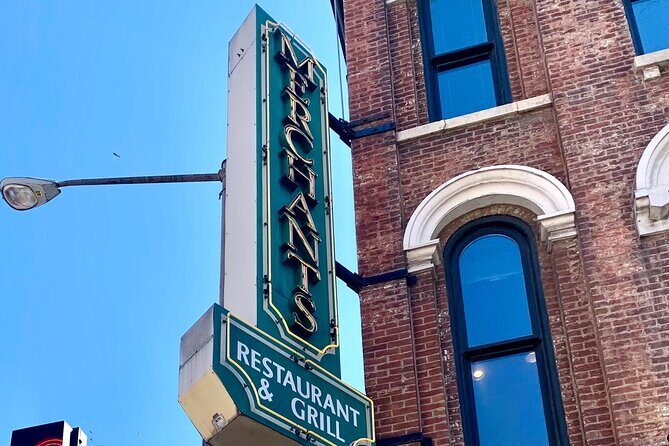
After the mural section, the tour keeps moving through the broader downtown context. The audio references the old Merchants, described as one of Nashville’s best restaurants today, with a long storied past. You’ll also hear the story of how the symphony got its start and see an amazing fountain.
Even though these parts aren’t all strictly “country music bars,” they matter. Nashville isn’t only honky-tonks. If you’re new to the city, this is where you start to notice that multiple music worlds—classical, symphonic, popular—share the same geography.
From there, you finish very close to the Johnny Cash Museum, which is at 119 3rd Ave S, Nashville, TN 37201. The tour notes that you’ll hear a Johnny Cash story and how he changed country music forever as you arrive near the museum doors.
If you have extra time after the walk, it’s a natural place to continue. You’ll already have a story in your head, and museums land better when you arrive with context.
Who should book this Nashville audio walk
I think this tour is a smart choice for:
- First-time Nashville visitors who want a fast, organized introduction to the Broadway/2nd Ave area.
- Solo travelers who don’t want to worry about joining a group or matching someone else’s pace.
- Anyone who likes to pause for real-life breaks—a drink, shopping, or just stepping aside to watch the street scene—then get back on track.
- Travelers who love a mix of fun and facts, from boots to alley stages to mural storytelling.
It’s also a good fit if you prefer “taste tests” before committing to bigger ticket experiences. For the cost of a single meal side in many cities, you get a guided-style narrative without the pressure of a scheduled group.
A few practical watch-outs before you trust your phone
This tour is simple, but Nashville can be chaotic. To keep the experience smooth, I’d plan for these realities:
- Phone battery: audio + GPS can drain power. Bring a charged phone or a portable battery.
- Headphones help: no headphones are included, and outdoor sound can mask narration.
- Street crossings and crowd flow: you’re walking through a high-energy entertainment district, so keep your head up even when the story is good.
- Timing is approximate: the walk is listed around 50 minutes to 1 hour, but your pace and stop frequency will change that.
If you like controlling your day (and you don’t need a human guide to keep you on schedule), you’ll probably love how stress-free this feels.
Should you book this tour?
Yes—if you want a low-cost, repeatable way to understand Nashville’s key street-level music stories. For $6.75, you’re buying more than audio. You’re buying a mental map: boots and Broadway, Wildhorse Saloon, 2nd Avenue history, Printer’s Alley legends, mural clues, and then a finish near the Johnny Cash Museum.
I’d skip it only if you hate GPS navigation, don’t want to manage your phone during a walk, or you’re expecting a guided experience with a person talking to you face-to-face. This is self-guided. That’s the whole deal.
If your goal is to get oriented quickly and make your later choices in Nashville smarter, this is a very good bet.
FAQ
How long is the Nashville Music City smart phone audio walking tour?
It’s listed as about 50 minutes to 1 hour.
Where does the tour start and end?
It starts at Boot Country, 304 Broadway, Nashville, TN 37201, and ends near the Johnny Cash Museum at 119 3rd Ave S, Nashville, TN 37201.
Is this tour self-guided, or is there an in-person guide?
It’s self guided. You use a smartphone app with GPS navigation, and there is no in-person guide.
What language is the audio available in?
The tour is offered in English.
Do I need to pay entrance fees at the stops?
No. The stops are outdoor, and admission fees are listed as free for the sites on the route.
Are headphones included?
No headphones are included, but you can bring your own earbuds for the best experience.
Can I cancel after booking?
Yes. Free cancellation is available, and you can cancel up to 24 hours in advance for a full refund.
]]>Two things I really appreciate: the route is straightforward to follow, and the audio content is packed with specific, place-based details (from music legends to the layout of well-known areas). One thing to consider: you’ll want to download the tour on strong Wi-Fi or cellular first, and the experience works best if you use headphones.
Key highlights at a glance

- 25+ audio stories on a 1+ mile route, designed for a calm, stop-by-stop walk
- Offline maps and location-triggered audio, so you’re not hunting for your next move
- Lifetime access with no expiry, meaning you can reuse it on future Nashville trips
- Music-focused stops you can actually linger at, including honky-tonk streets and famous venues
- Free access stops throughout the walk, so you’re paying mainly for the audio guide, not tickets
How this self-guided audio walk feels on the ground
Think of this as a “best-of Nashville” stroll you control. You’re not joining a live guide, and no one meets you at the start. Instead, you stand at the meeting point (105 1st Ave S, Nashville, TN 37201) and let the app guide you story by story.
The pacing is intentionally workable. The walk is listed as about 1 to 2 hours, which is enough time to enjoy key stops without sprinting. The route is over a mile long, so it’s a solid city walk, but not a marathon. You can pause to take photos, step into a bar area, or just catch your breath—then resume when you’re ready.
The audio is built for an “on the move” experience. Stories play automatically based on your location, so you’re free to look around rather than stare at your phone every few steps. If you bring headphones, you’ll stay in the flow. If you try to do it with the phone speaker on a noisy street, you’ll miss details—Nashville does not keep quiet.
Getting started: the app, the password, and staying offline
Before you walk, plan one small thing: download the tour while you have strong Wi-Fi or cellular. After that, it works offline. That’s a big deal in a city where signal can be inconsistent along streets and around big venues.
Here’s the basic workflow:
- After booking, you’ll receive an email/text with setup instructions and a password (the instructions tell you to search for audio tour in your messages).
- You download Action’s Tour Guide App.
- In the app, you enter the password from the email/text.
- Then you start the tour at the meeting point. If you see multiple versions, choose the one matched to your planned start.
A practical tip: your password can be used on the same number of devices as travelers booked, so a group of two can both log in. If you’re traveling as a couple or small group, there’s also a simple money-saver suggestion: you can share one tour and split headphones.
For best navigation, the recommended devices include an iPhone on iOS 15+, Android on version 9+, or an iPad/tablet with GPS and cellular connectivity. If your goal is easy, low-stress wayfinding, having a device that holds GPS well will help.
Light Meander: glowing curves along the Cumberland
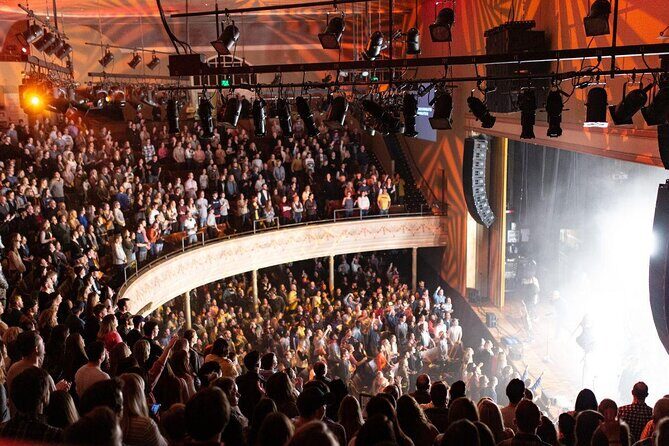
Your first stop sets the tone. Light Meander is designed as a public art experience, with curved lines that echo the shape of the Cumberland River. During the day, it’s visual and architectural. At night, it shifts into something much more atmospheric, with colors that change.
If you want to feel the intention behind the stop, timing matters. Going in the evening gives you the full effect—those shifting colors turn a quick photo stop into a moment worth slowing down. If you’re doing the tour earlier in the day, you can still enjoy the design, but you won’t get the same glow.
Also, this is a good place to get your audio rhythm. As the tour begins, it helps you settle into how the app cues you—then you’re ready for the more music-forward parts later.
Walk of Fame Garage plaques: music legends at street level

Next up is a park experience tied to the names you already know. This is the Hilton Hotel and Walk of Fame Garage area, and it works like a local version of the Hollywood Walk of Fame—plaques dedicated to major Nashville figures.
You’ll see examples like Tim McGraw, Emmylou Harris, and the Fisk Jubilee Singers. That matters because it turns generic “famous city” talk into something tangible you can read while you walk. Instead of just hearing about Nashville’s importance to music, you’re passing markers that connect the stories to real names.
One practical note: this stop is quick (listed around 10 minutes). That’s perfect for a “read, listen, move” moment. If you’re the type who stops for every plaque and wants extra time, you can do that too—you control pacing—but don’t expect it to be a long museum-style visit.
Bridgestone Arena area and the Music City Center scale
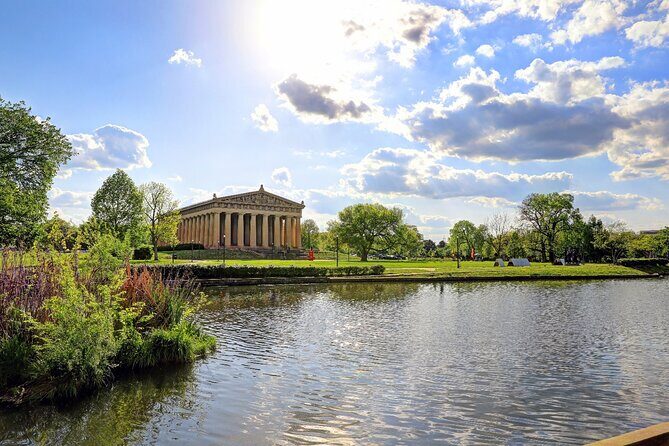
After the plaques, the tour shifts from icons to infrastructure. You head toward the Music City Shop at Bridgestone Arena and the surrounding Music City Center area, including a huge ballroom space listed as 57,500 square feet.
Even if you’re not there for a specific event, it’s a reminder that Nashville’s music isn’t only on stages. There’s a whole ecosystem built around conventions, touring schedules, and big productions. This stop helps you connect the dots between everyday street life and the large-scale venues that keep the city moving year-round.
Like several stops on this walk, it’s timed at about 10 minutes, so it’s more about orientation than lingering. I’d treat it as a chance to look up, notice the scale, and then use the audio to translate what you’re seeing into context.
Honky Tonk Highway: live country energy until late
Now you hit the street everyone pictures. The tour calls this the Honky Tonk Highway, a stretch of bars that pump out live country music daily until 3am.
This is the part where you can let your own interests take over. If you want the music atmosphere without committing to one venue yet, you can do slow window-shopping and listen to the overlap of sound coming from multiple doors. If you want to step inside and stay awhile, pause the tour and come back when you’re ready. Since the app lets you pause and resume, you can match the walk to the night you’re having.
A small consideration: late-night streets are loud. Even with headphones, you may need to turn the volume up slightly to hear clearly over the crowd. If you’re sensitive to noise, choose a volume level that’s comfortable and plan your stops with breaks.
Wildhorse Saloon and a newer education stop on Black music contributions

After the honky-tonk energy, the walk brings you to Wildhorse Saloon, described as one of Nashville’s most famous establishments. This is another “place you’ve heard of” moment. It’s not just name recognition—it’s a landmark stop that helps you map Nashville’s performance culture in real space.
Then you get a museum-style education stop. The tour describes it as one of Nashville’s newest museums, opened in 2021, with a mission focused on honoring and educating about the contributions of Black Americans to music over the years.
Even if you don’t go inside for a full visit, the point of this stop in the walk is to broaden the story beyond what people usually picture first. Nashville’s music story is bigger than one sound or one era, and this stop is a direct way to make that clear in an efficient time window.
Tip: museums often take more time than the walk slot allows. This stop works best if you treat it as a meaningful stop on the route and then decide on the spot whether you want additional time elsewhere.
John Seigenthaler Pedestrian Bridge: long views without a big commitment
You wrap up at the John Seigenthaler Pedestrian Bridge, described as over 3,000 feet long and one of the longest pedestrian bridges in the world. The good news: it’s still an easy walking experience, and it’s here for the views.
This end point is a nice reward for finishing the route. After time spent in music districts and landmark areas, you get an open, scenic perspective—something Nashville does well. If the weather is mild and the sky is clear, this is where photos make sense even if you didn’t take many earlier.
You can pace yourself across the bridge. The audio may be timed to the route, but you can still slow down, look around, and enjoy the “Nashville from a different angle” moment.
Price and value: $14.99 for lifetime access
At $14.99 per person, this tour isn’t trying to compete with ticketed attractions. You’re paying for the audio guide, the offline use, and the convenience of a pre-built route that saves you from constantly deciding where to go next.
The best value hook here is lifetime access with no expiry. That turns a single walk into a tool you can reuse. If you’re the kind of traveler who returns to cities, or if you’re going to Nashville more than once in a few years, that lifetime access can make the price feel small fast.
Also, many stops are listed with free admission. That doesn’t mean there’s no cost—it means the tour isn’t built around pay-to-enter attractions. It’s mostly about walking and listening, with the city doing the heavy lifting.
Timing: opening hours and when to schedule your walk
The tour is available daily from 6:00 AM to 9:00 PM. That window is wide enough for both daytime city exploring and nighttime atmosphere.
If you want the best experience for the first stop, plan around Light Meander’s glowing night effect. For the honky-tonk segment, late evening is where that street energy really lands. But don’t stress if your schedule is tighter. Since you can start anytime within the open hours and pause freely, you can still match the walk to your day.
Who this walk suits best (and who should skip it)
This is a great fit if you:
- want a self-paced way to cover top Nashville highlights in a short time
- like music-focused landmarks and readable plaques as you walk
- don’t want to reserve anything and prefer free-entry stops
- travel solo or as a small group and want the route to be simple
It may not be ideal if you:
- hate using apps for navigation or need in-person guidance
- don’t want to manage a device setup before starting
- are only interested in one or two specific neighborhoods and don’t want to spend the time walking the full loop
What you’ll likely love most (based on real reactions)
Two themes come up strongly in the way people experience this kind of tour. First, the walk feels easy to follow and informative, which is exactly what you want in a self-guided format. Second, the audio can send you off the expected path a bit—toward small, story-laced areas that make Nashville feel more real than a postcard.
That second part is key. When the audio is well placed, it doesn’t just tell you what you already know—it explains why certain corners and alleyways matter. That’s where the tour earns its keep.
Should you book this Nashville self-guided audio tour?
I’d book it if you want a low-effort way to get oriented and then enjoy Nashville’s music landmarks on your own schedule. The offline setup, hands-free playback, and lifetime access make it a good deal for both first-timers and return visitors.
I’d pass if you’re looking for a guided, behind-the-scenes experience with lots of paid entry stops. This is a walking, listening, and learning route. If that’s your style, you’ll get your money’s worth quickly.
FAQ
How long is the Nashville self-guided audio walking tour?
It takes about 1 to 2 hours and covers a route over 1 mile long.
How much does the tour cost?
The price is $14.99 per person.
What language is the audio available in?
The tour is offered in English.
Does it work offline without cell service?
Yes. It includes offline maps, and after you download the tour on strong Wi-Fi/cellular, it works offline.
Do I need headphones?
For the best experience, the tour recommends bringing headphones/earbuds.
Where do I start, and do I need to meet someone?
You start at 105 1st Ave S, Nashville, TN 37201, USA, and no one meets you. The audio starts when you reach the first story point.
Is there a time window for when I can do it?
The tour hours are listed as 6:00 AM to 9:00 PM daily.
How does the audio know when to play the next story?
The audio stories play automatically based on your location.
Are admissions or attraction tickets included?
No. The tour does not include attraction passes or entry tickets or reservations, but the listed stops are shown as free admission for the tour stops.
What if my trip plans change?
You can cancel for a full refund up to 24 hours before the experience’s start time.
]]>I like that the format is flexible. You can start, pause, and continue at your own pace, which is a big deal when weather or energy levels change. I also like the low commitment: for a $7.20 price point and about 1 hour 50 minutes, it’s easy to fit into a day without feeling like you lost half your vacation.
One thing to think about: since it runs through the Questo app, you’ll need everything set up correctly (including the right account/email and a working booking ID). If the app fails at the start, the whole experience can stall—so it’s worth double-checking before you head out.
Key Highlights You’ll Actually Care About

- Phone gives exact directions turn-by-turn as you play, so you’re not guessing where to go next.
- Story + challenges make you slow down just enough to notice details you’d otherwise rush past.
- Major Nashville stops are part of the route: Music Garden, Ole Smoky Moonshine Distillery, and Ryman Auditorium.
- Private experience for your group means you won’t be shuffled into strangers’ pacing.
- Open-air design helps you avoid big crowds while still getting outside.
- Flex start and breaks let you treat it like an outdoor escape game, not a timed race.
Price and Time: What $7.20 Buys in Nashville
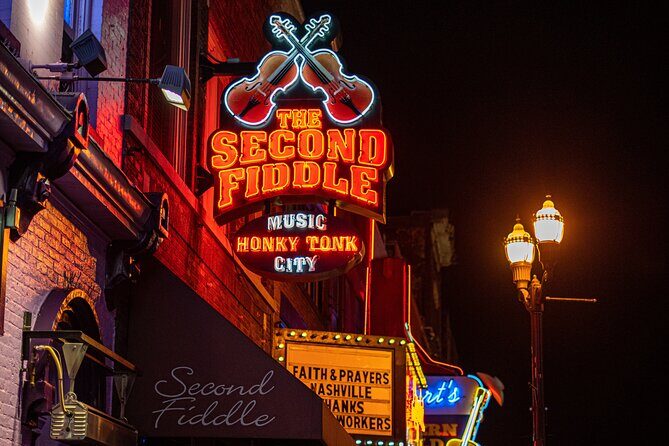
At $7.20 per person for about 1 hour 50 minutes, this is priced like an easy add-on rather than a big-ticket tour. That matters because it changes how you should use it.
Think of it as a structured way to walk between meaningful landmarks without hiring a live guide. You’re paying for the route, the story pacing, and the phone directions. If you enjoy “do a few things, see a few places, learn something light,” it’s a strong value. If you prefer a classic guided lecture style, you’ll probably find this format too hands-on and game-like.
Also, the self-guided setup is designed for real vacation flow. Your start time is not locked to a tour bus schedule. You can pause and keep going, which is helpful in Nashville when the weather can turn.
Where You Start at 100 Demonbreun St (and Why It Helps)
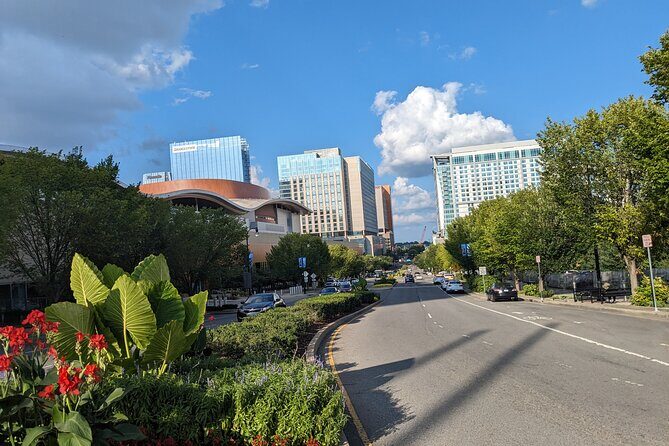
Your adventure starts at 100 Demonbreun St, Nashville, TN 37201 and ends back at the meeting point. That closed-loop design is practical: when you finish the final segment, you’re already back near where you began.
The operating window listed is 8:00 AM–6:00 PM (Monday–Sunday). Even though the activity itself is described as available 24/7, that opening-hour range is still useful for planning. If you’re trying to fit the whole thing into a specific time block, aim to start well before late afternoon so you don’t feel rushed.
One more practical point: you’ll want a charged smartphone. This isn’t optional-fussy. The phone is your navigator, your story interface, and the tool that tells you what to do next.
The Questo App: Your Guide, Your Map, Your Story
This isn’t a live guide walk. It’s the Questo app guiding you through a city exploration game. After booking, you’ll get an email with instructions to download and play, and you must create an account using the same email you used to make the purchase.
Here’s why this matters for your experience: the game’s success depends on smooth setup. If your account doesn’t match the purchase email, or the booking ID doesn’t get recognized inside the app, you can end up staring at a phone that doesn’t launch the quest.
From feedback patterns, the most frustrating issues are tech/setup related:
- a case where the quest wasn’t available under a user’s Questo account after setup
- a case where correct answers were marked incorrect due to a glitch
That doesn’t mean the game is unreliable. It does mean you should plan like a grown-up and do a quick check before you walk out into the open air.
My advice: right before you start, open the app, confirm you’re logged into the correct account, and make sure the game appears. Then start walking. If something is off, you’ll know immediately while you still have time to sort it out.
How the Game Works While You Walk
The basic rhythm is simple:
- You arrive at a location.
- You solve a challenge.
- The story unfolds.
- Your phone provides exact directions to the next spot.
Because directions are on your phone, you’re not trying to read a paper map or guess which street makes sense next. It’s more like a guided walk—just without a human guide.
You’re also encouraged to take breaks. That sounds like a small thing, but it changes how you use the experience. If you want to stop for a drink, duck into shade, or just take in a view for a minute, you can. This format works best when you pace it like you’re wandering with purpose, not sprinting between checkpoints.
Nashville Music Garden: The “Pause and Look” Stop
One highlight is that Nashville Music Garden is on your route. Even without a live guide, having a known public stop early on gives you a confident anchor point to get your bearings.
In this kind of story-driven walk, the garden area is a natural place to slow down. The game format nudges you to stop where the clues want you to stop, so you’ll likely notice small details you’d otherwise skate over. And because the experience avoids crowd-heavy setups, you can take your time without feeling like you’re fighting a line.
Potential drawback: since you’re working through phone prompts, if you’re traveling with someone who hates app-based experiences, you might get minor friction here. The fix is simple—agree on a pause point and stick to the same pace.
Ole Smoky Moonshine Distillery: Where the Story Adds Flavor
Next up on the route is Ole Smoky Moonshine Distillery. Again, the key isn’t that you’re being dragged through a scripted tour. The key is that this stop is treated like a game chapter: you solve challenges, then move on.
In practice, this can be a nice way to experience a place you might otherwise only see from the outside. The story angle gives you a reason to pay attention to what’s around you while you’re walking through the area.
One caution: if your group expects food-and-drink service as part of the game, you might be disappointed. The experience is a self-guided walking game, and nothing in the details suggests an included tasting or guided distillery session.
Still, as an outdoor, plot-based way to pass time between major Nashville landmarks, it fits the mission.
Ryman Auditorium: The Big Landmark Moment
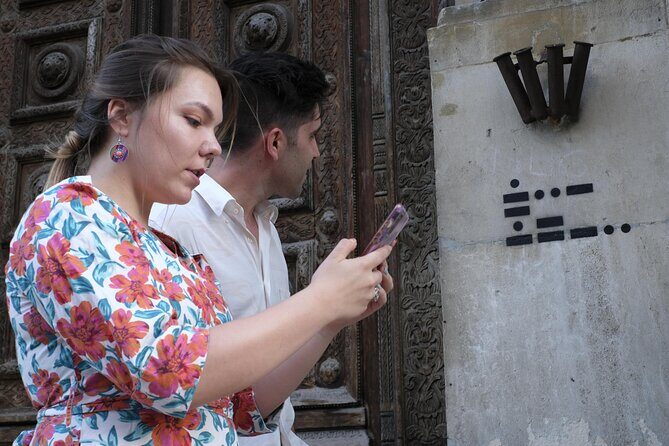
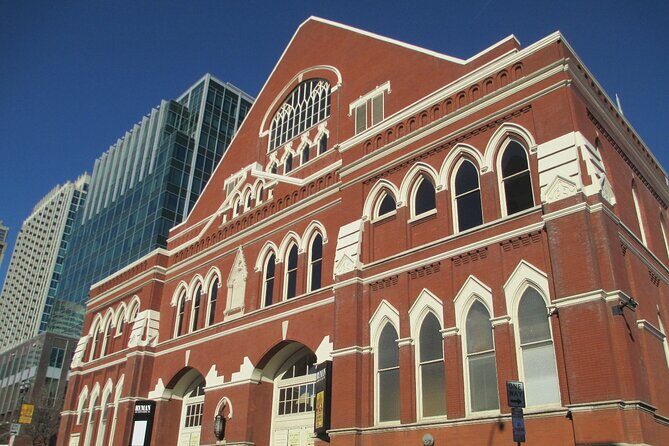
You’ll also visit Ryman Auditorium, which is the kind of destination that benefits from structured walking. When you know a major venue is coming up, you’re more likely to stay engaged through the earlier segments.
The game helps here because it turns “I’m just walking around” into “I’m working toward something.” You’re not only moving between places—you’re progressing the narrative. By the time you reach a big-name site, you’re already in the mindset of noticing, answering, and following directions.
If you love big architecture and classic venues, you’ll probably enjoy how the story pacing sets up a memorable payoff moment.
The Lesser-Known Stops: Where the Treasure Hunt Feel Shows
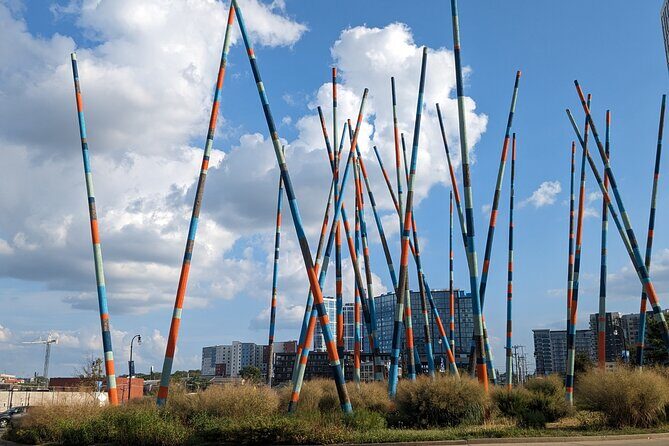
Your route also includes lesser-known places between the bigger anchors. This is where the “treasure hunt” vibe tends to work best.
Major landmarks are great, but the in-between streets are what make Nashville feel like a real place instead of a checklist. Since your phone directs you exactly where to go next, you’re more likely to end up in spots you’d miss if you were just wandering without a plan.
If you’re the kind of traveler who likes strolling with a purpose, these segments can be the most enjoyable part. They’re also a reason the whole thing feels like more than a simple route.
Avoiding Crowds While Still Getting Outside
The experience is open air and designed so you’ll avoid crowds. That’s a real advantage in a city where popular attractions can get packed.
Because this is self-guided and you only play with your own group, you don’t have the same bottleneck risks as bus tours or tightly scheduled guided walks. It’s also why the break flexibility matters—if one area feels too busy, you can slow down, wait, or keep walking at your pace.
That said, it’s still a walking tour. Comfortable shoes matter, and you should keep an eye on weather.
Weather Matters: Plan for a Good Forecast
The details note that the experience requires good weather. If it’s canceled due to poor weather, you’ll be offered a different date or a full refund. So you don’t need to panic-book every day, but you should check the forecast close to start time.
If you’re visiting Nashville and you can choose between a rainy and a clear day, pick clear. The game is built for walking, with the story unfolding as you move between outdoor stops.
Practical Tips I’d Use Before You Start
Here are the smart moves that reduce hassle and increase fun:
- Charge your phone fully before you leave. If battery dips, you’ll feel it fast.
- Use the same email you used at purchase when you create the Questo account.
- Check the quest appears in the app before you begin walking. Start when you’re sure it’s ready.
- Bring a small power bank if your phone runs hot or drains quickly on GPS.
- Use the private-group vibe: agree who taps the answers, and keep momentum through story prompts.
These are the “smooth trip” habits that help you avoid the type of start-up problem seen in at least one of the low-score issues.
Who This Works Best For (and Who Might Skip It)
This experience fits best if you:
- like walking tours but don’t want a rigid schedule
- enjoy light problem-solving and story pacing
- want a structured way to hit major stops like Music Garden, Ole Smoky Moonshine Distillery, and Ryman Auditorium
- prefer a format that helps you avoid crowds
You might skip it if:
- you hate app-guided directions
- you expect a live guide to provide context, answers, and on-the-spot explanations
- your group has no patience for tech hiccups (especially around logging in and booking ID recognition)
Should You Book This Self-Guided Nashville Adventure Game?
If you want an easy, budget-friendly way to turn a walk around Nashville into a story-driven challenge, I’d say yes. The value is real at $7.20, and the format does a good job of keeping you engaged through major stops and in-between streets.
My main reason to hesitate is the dependency on the Questo app. If setup goes wrong, you can lose time or end up unable to play. If you’re the type who can do a quick app check and start when your phone is ready, you’ll likely get the fun part: that mix of sightseeing, light learning, and game energy.
If you’re flexible, tech-capable, and okay pacing yourself, this is a clever way to see Nashville with a little extra purpose.
FAQ
How long is the self-guided game walking tour in Nashville?
It takes about 1 hour 50 minutes (approx.).
What does the tour cost?
The price is $7.20 per person.
Where do I start and where does it end?
You start at 100 Demonbreun St, Nashville, TN 37201 and the activity ends back at the meeting point.
Do I need a live tour guide?
No. It’s self-guided and uses a phone app for directions and story prompts. No live tour guide is included.
What app do I use, and when do I get instructions?
The game is delivered through the Questo app. After booking, you’ll receive an email with instructions to download and play.
Is it available every day?
Yes, it has full availability 24/7, every day of the year, with an operating window listed as 8:00 AM–6:00 PM.
What do I need to bring?
You should bring a charged smartphone, and you must download the app and set up your account first using the same email as your purchase.
Is this private or shared with other groups?
It’s a private tour/activity, so only your group participates.
What if the weather isn’t good?
The experience requires good weather. If it’s canceled due to poor weather, you’ll be offered a different date or a full refund.
Is cancellation free?
Yes. You can cancel for a full refund up to 24 hours in advance. After that, refunds aren’t available based on the posted policy window.
]]>Two things I’d especially call out: the GPS-based playback is designed to be right where you are, and you can download it for offline use so you’re not stuck hunting for service. One watch-out: you do need your phone set up ahead of time and kept charged, because the experience depends on your device and location tracking.
Quick hits on the Natchez Trace Parkway route

- Location-based audio that plays automatically as you drive using your phone’s GPS
- Offline-ready once you download through the GuideAlong app
- Group value: $16.99 per group (up to 8 people in the vehicle)
- Real stopping points for falls, historic sites, music stops, and photo-worthy structures
- Flexible pacing: start, stop, and resume the drive any time on your schedule
A self-drive tour that keeps the momentum
You’re not signing up for a strict group schedule. Instead, you follow a recommended route and let the audio guide tell you what’s happening as you reach each point.
For me, the best part of this style of tour is control. You can linger where the views are good, skip a stop if you’re short on time, and reverse direction without feeling like you’ve broken the plan. The audio is built to work whichever way you drive, which is handy if you’re already planning other Nashville-area activities.
You’ll spend about 4 to 5 hours total, depending on how long you pause at each place and how many quick side visits you make.
Driving the Natchez Trace Parkway without losing the story
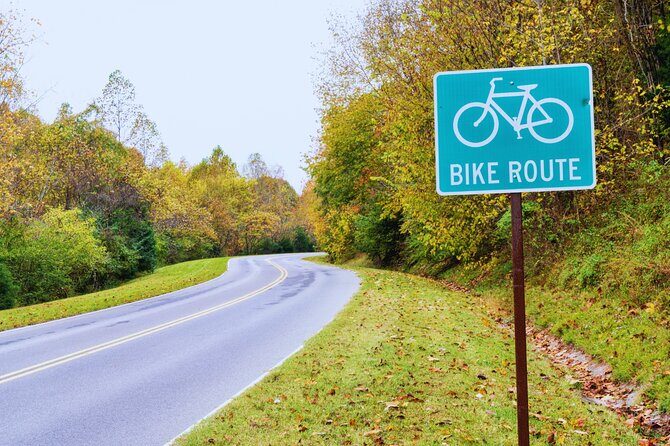
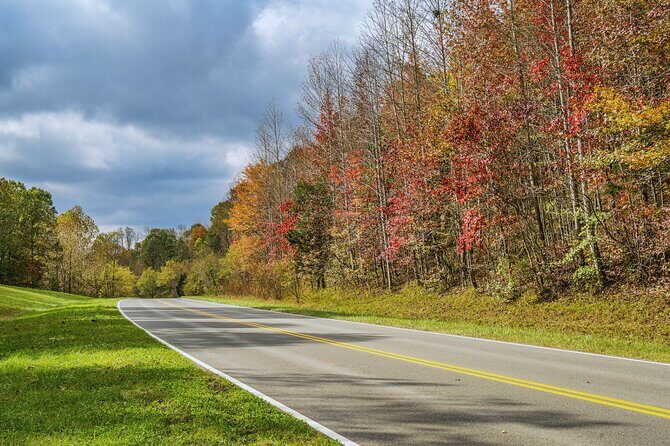
The Natchez Trace Parkway runs 444 miles from Natchez, Mississippi to Nashville, Tennessee. This particular audio experience covers the Tennessee and Alabama portions, and you can drive it in either direction.
Think of the Parkway as a long, calm ribbon through countryside—parkland that follows the old route traders and explorers used, and long before that, Native American trails. The audio is designed to help you notice what you’re driving through, not just what you’re looking at.
Tip: start with a full tank of gas and a device at 100%. Your phone is basically your guide, so the less you worry about battery anxiety, the more you enjoy the quiet road.
Stop-by-stop: what each highlight is really like
Start Along the Natchez Trace Parkway for the big “in-between” moments
Your first major stop is the Parkway itself—where the drive is the attraction. You’ll get context for how the historic Trace shaped travel and how this Parkway preserves that trail idea while keeping the setting peaceful.
This is a good place to settle in. If your car has Bluetooth, pair your phone and test audio volume before you start moving.
Jackson Falls for an easy waterfall payoff
Next up is Jackson Falls, one of the closest waterfalls to Nashville and a favorite for the amount of payoff you get for the effort. The falls were named for President Andrew Jackson.
From the top, the view satisfies. If you want the better experience, walk at least partway down the path. Going farther reveals a clear pool and a stepped look as water drops over limestone.
Practical note: this is a short time investment stop (about 30 minutes), so it fits even if your day is busy.
Leiper’s Fork for small-town style and music history
A quick side trip takes you to Leiper’s Fork, a small community with shops, restaurants, and galleries. Even if you’re not hunting for celebrity sightings, it’s a pleasant place to stretch your legs and browse.
This is also where the audio gives you a sense of the bigger music world connected to the area. The area is associated with some major country music names, and the stop feels more like a slow wander than a structured attraction.
This one works well if you’re traveling with mixed interests—people who like scenic drives and people who like food and browsing.
Meriwether Lewis Park for Lewis & Clark context without the gloom
At Meriwether Lewis Park and Monument, you’ll connect the Parkway route to the Lewis and Clark story. Meriwether Lewis is tied to the expedition that helped map what lay west of the Mississippi River.
You’ll see the monument and a reproduction of Grinder’s Stand, the lodging where Lewis’ life came to an end. The tone here isn’t framed as sad; it’s more interesting than heavy, with short trails and a campground setting nearby.
This stop is about 30 minutes, which makes it a good mid-drive anchor. It also helps you see the Trace not just as scenery, but as a pathway people used for real purposes.
Muscle Shoals for five nearby points you can pick and choose
Then comes Muscle Shoals, a sidetrip you’ll want to plan carefully because there are several major stops close to the Parkway. You’ll drive off the Trace to reach the closest site in about 20 minutes.
The audio points you to five places of interest, and you can choose how many to fit:
- Ivy Green (Helen Keller childhood home)
- The Alabama Music Hall of Fame
- Muscle Shoals iconic recording studios
- The Florence Mound and Museum
- The Rosenbaum House designed by Frank Lloyd Wright
You could blow an entire day on this area if you try to do everything. The practical move is to select one or two highlights that match your interests—music history, architecture, or museum-style stops—and keep the rest for a future trip.
One important detail: this sidetrip doesn’t include admission tickets, so you’ll want to check what you plan to enter and budget accordingly.
Natchez Trace Parkway Bridge for the photo stop you actually want
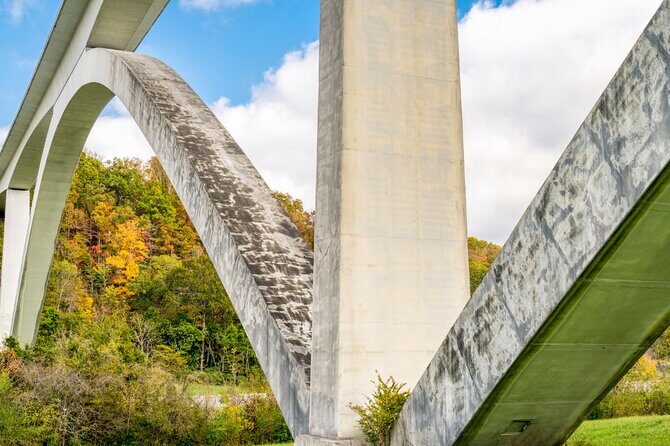
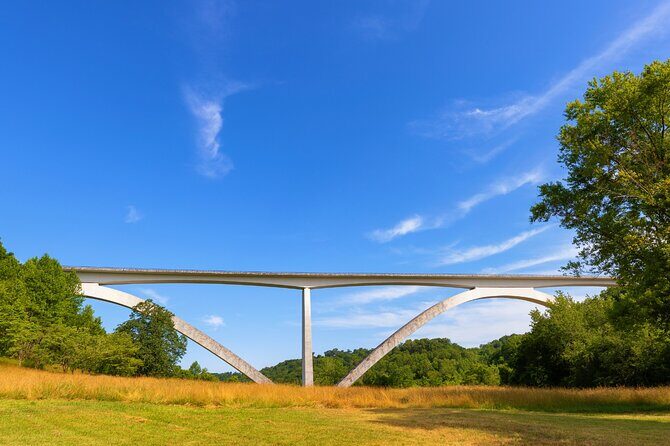
The Natchez Trace Parkway Bridge is a short stop but worth it. This is described as the last major addition completing the Parkway’s uninterrupted path, and it’s also visually striking.
The bridge is uniquely constructed with two concrete arches spanning a valley. You’ll want a quick pause for photos, and you don’t need much time—about 5 minutes is the target.
If you’re trying to keep the day smooth, this is the kind of stop you do quickly, get your shots, and move on—then your later stops won’t feel rushed.
Old Trace Drive for a rare chance to drive the original route
One of the only places on the Parkway where you can drive on the original Trace route is Old Trace Drive. This is a narrow, one-way section of about 2.5 miles with great views.
It’s only around 30 minutes to plan for, but it adds a different feel to the day: you’re not just standing at history, you’re literally rolling along a preserved segment.
Quick practical move: drive slowly, and don’t assume every turn will be obvious. Narrow roads plus photo moments can make you forget to keep an eye on spacing, so take it easy.
Rock Spring for stepping stones and quiet creek scenery
Rock Spring is a quick stop with scenic appeal. You’ll see square stepping stones crossing Colbert Creek on the trail to the natural spring.
This one is about 15 minutes, which makes it ideal if you want one more stretch break without committing to a longer walk. The path setup also makes the stop feel more active than purely view-based.
War of 1812 Memorial for the Trace as a military route
Finally, there’s the War of 1812 Memorial, tied to the idea of the Trace as a transportation corridor for troops and cavalry. The audio explains that Andrew Jackson used the route in 1813, and the memorial honors those who marched it, including those lost who were buried in unmarked graves.
This stop is about 30 minutes. It’s not just a marker—it reframes the Parkway as a practical route with consequences, not only a pleasant drive.
Pricing and value: $16.99 per group is the real hook
At $16.99 per group (up to 8 people), this audio guide is priced more like a bargain ticket than a per-person activity. That matters because everyone in the car can listen without paying separate fees.
If you’re traveling with family or friends, it’s one of those rare deals where the cost stays low even as the group grows. And because it’s sold as a one-time purchase with no expiry and includes free updates, the value can stretch beyond this one day if you plan to revisit or use the app elsewhere.
Duration is another value factor. A 4-to-5-hour plan means you can fit this into a shorter road day instead of committing to a full day’s worth of paid attractions.
How to make the audio work smoothly (without stress)
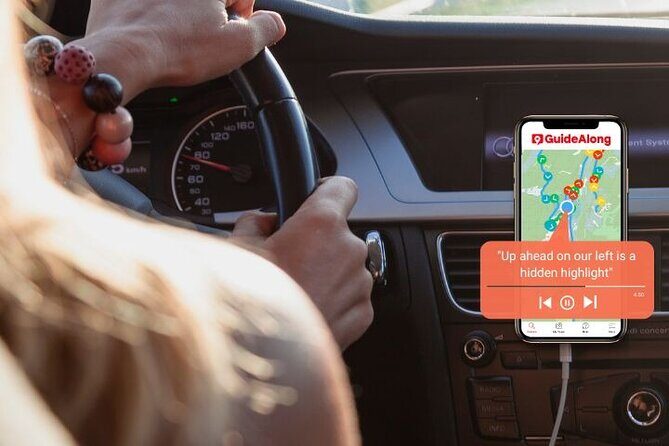
This works through the GuideAlong app. After booking, you get instructions by email and text telling you to download the audio tour. You’ll sign in with your Apple or Google account, redeem your voucher code, and then download the tour under My Tours.
Because the commentary plays automatically using GPS location, you don’t want the phone to be low on battery. Bring a USB/C car charger and top up before you start. Also, download the audio over WiFi or cellular so you’re set before you head out onto sections where service may be spotty.
One more practical point: you can preview the start location and route in the app. That’s useful for planning which direction to go and when to make your side stops like the Muscle Shoals area.
Who this drive fits best

This experience is ideal if you like:
- Scenic driving with short, high-value stops
- Learning as you go without joining a group pace
- A plan that lets you skip or expand stops based on energy
It’s also a good fit for mixed groups: someone who wants photos will have plenty of quick moments, while someone who likes history gets meaningful context at Lewis and the memorial stops. The audio format keeps the car time productive without turning every stop into a long excursion.
If you’re the kind of person who hates technical setup on vacation, I’d suggest giving yourself time to download and test the app before you drive. The experience depends on your phone doing its job.
Should you book the Natchez Trace Parkway audio driving tour?
Yes, you should book this if you want a low-cost way to turn a pretty road into a story-filled route, with short stops that don’t swallow your day. The GPS-based audio and offline capability are exactly what make it feel effortless when it’s working well, and the per-group pricing helps keep it sensible for families and small groups.
I’d skip it or think twice if you prefer fully hosted tours or if you don’t want to rely on phone setup. Since the audio triggers by GPS and depends on app playback, you’ll enjoy it most when you show up with a charged device and the download already completed.
If you’re planning a half-day driving loop in this part of Tennessee and Alabama, this is one of those practical choices that gives you more out of less time.
FAQ

How long does the Natchez Trace Parkway audio driving tour take?
Plan on about 4 to 5 hours total, depending on how long you pause at each stop.
Does the audio guide play automatically as I drive?
Yes. The commentary is location-based and plays automatically using your phone’s GPS as you reach different points.
Can I use the tour offline?
Yes. You can download the tour in the GuideAlong app, and then it works offline once downloaded.
What’s the price for the tour?
It costs $16.99 per group (up to 8 people in your vehicle).
Is food included?
No. Food and drinks are not included.
Is this a private experience?
Yes. It’s a private tour/activity, and only your group participates.
]]>One thing to think about: at least one issue shows up in the feedback—some sites early in the route can be closed, and if that happens you may not get the info you need right then, especially if you are counting on access.
Key things to know before you start
- Smartphone question trail: you solve clues as you walk, instead of listening to a set script
- Two main stops: you’re pointed at the Tennessee State Capitol and Lower Broadway
- 3-hour timing that’s doable: plan around an approx. 3-hour walk-and-answer rhythm
- Mobile ticket + private group: you’ll use a ticket on your phone and it’s just your group
- Works for most people: service animals are allowed, and it’s near public transportation
How the scavenger hunt actually works in real life
This is a walking tour that behaves like a game. You start at 151 6th Ave N, Nashville, TN 37203, then you follow the trail at your own pace. Instead of getting pulled along by a guide, you answer questions on your smartphone as you reach each stop. That small shift matters: you spend less time “getting through” sights and more time actively reading what’s around you—signs, architecture, street context, and the general vibe of the place.
The experience also feels well-built for independent travel. It’s labeled as self-guided, it’s a private tour/activity (so you only share with your group), and it runs daily from 8:00 AM to 8:00 PM during the listed operating window. With that kind of day flexibility, you can pick a time that fits your energy level, whether you’re doing a morning reset or aiming for an afternoon walk when the streets are more active.
The “gotcha” comes when physical access changes. The game depends on what you can see and, sometimes, whether areas are open. If a first stop is closed or you can’t get close enough to read what the clues expect, you might have a frustrating start. If you want this experience to feel smooth, I’d suggest starting when you can reasonably expect public areas to be open and keeping your expectations flexible.
Starting at 151 6th Ave N and planning your 3-hour route

Your start point—151 6th Ave N—is a handy location because it puts you in the downtown orbit right away. Since the tour ends back at the meeting point, you don’t need to plan a separate pickup or transit from the finish. That makes it easier to plug into a day that already includes other Nashville stops.
Duration is listed as about 3 hours, which is a good match for a clue-based walk. You’re not just strolling; you’ll pause often enough to read prompts and think through answers. Practically, this means you should plan to wear comfortable walking shoes and allow a little extra time for breaks. If you’re visiting with kids or you’re slower with reading directions, the extra time can keep you from feeling rushed.
Also keep timing in mind: the activity is open 8:00 AM–8:00 PM each day, so you can choose a slot that avoids the hottest part of the day. And since it’s often booked about 5 days in advance on average, it can be smart to reserve early if you have a tight schedule or you’re traveling as a group.
Stop 1: Tennessee State Capitol—clues with a landmark backdrop
The Tennessee State Capitol is a natural first stop for a scavenger hunt. It’s the kind of place where the scale and formal architecture give you plenty of “visual anchors” for clues—columns, stonework details, and the way the building sits within its civic setting.
This first stop is also where you should pay extra attention to how the hunt asks you to look. Since the format is question-based, you’ll likely be asked to spot specific elements or interpret what you see. The big advantage here is that a landmark like this makes it easy to confirm you’re on the right track even before you start answering.
The downside is access. One piece of feedback highlights that some of the early sites can be closed with no access, which can throw off the hunt if the clue depends on being able to get near something. If your goal is to complete the hunt without detours, consider arriving with enough time buffer that you can adapt if you can’t access every area you expected.
Still, even when access is limited, the Capitol area can work as a strong “orientation” start. You get bearings in downtown, then the hunt can shift you toward street-level Nashville next.
Stop 2: Lower Broadway—turning the music streets into clue zones
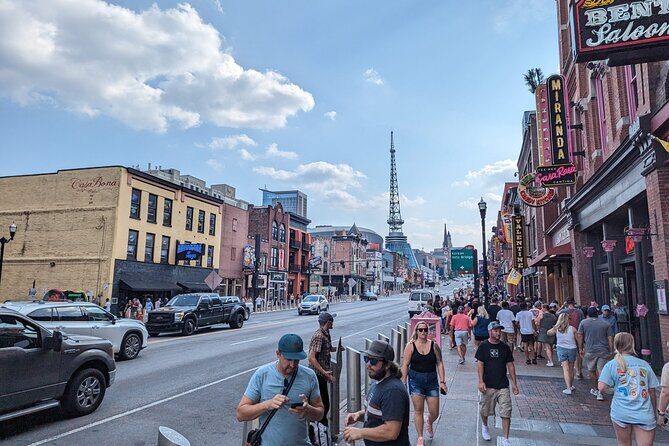
After the Capitol’s civic feel, Lower Broadway is a tonal shift—more street energy, more music-world context, and a clear connection to why Nashville is famous around the world. For the scavenger hunt, this is where the phone questions can feel more playful and less formal.
Lower Broadway is ideal for scavenger-hunt logic because the area is built for observation. You’ll be able to look at storefronts, signage, street scenes, and architectural contrasts between older and newer parts of downtown. Even if you’re not a “trivia” person, the question format can push you to notice patterns: where the crowds gather, how streets are laid out, and how the neighborhood communicates its identity through what’s on display.
The value here is that you’re not only walking through a famous area—you’re actively engaging with it. If your Nashville time is short, this stop helps you get a usable sense of the city’s music and food-street rhythm without needing to commit to a longer guided program.
Just remember: Lower Broadway can be a busier zone at certain times. Since the tour is self-paced, you control pauses, but you’ll want to stay aware of foot traffic while you’re reading your smartphone screen and answering questions.
Price and value: $24.50 for a phone-led downtown walk
At $24.50 per person for about 3 hours, this hunt sits in the practical “pay for convenience” category. You’re not paying for a person to guide you step-by-step, which helps keep the cost down. What you are paying for is structure: a ready-made route between two major stops, plus the smartphone prompts that guide your attention.
For value, it helps to think about what you’d spend that time doing instead. If you were just wandering downtown, you’d still see the general sights, but you might not linger long enough to pick up the kind of details that turn a walk into a story. The hunt can make that time more efficient because it gives you reasons to stop.
Group discounts are mentioned, and that matters. If you’re traveling with friends or family, the per-person cost can become even more attractive. Plus, since it’s private for your group, you avoid the “too fast / too slow” problem that sometimes comes with group tours.
Who this tour fits best (and who may want a different plan)
This scavenger hunt is a strong fit if you like to move at your own pace and you enjoy learning through doing. It’s also good for people who want a structured downtown experience without booking multiple timed activities.
It may be less ideal if you need a tightly reliable experience where every stop has guaranteed access, because your success depends on being able to complete clue-relevant observation at each location. The one reported issue about closed sites early in the route is your main warning sign.
If you’re comfortable walking and reading directions on your phone, you’ll likely enjoy the format. If you prefer a talk-heavy guided tour where you can ask questions and get answers instantly, a guided option may suit you better—this one is about self-paced discovery.
Practical tips to make the hunt smoother
- Start early in the open window when possible. You’re less likely to run into access surprises at the beginning.
- Bring headphones only if you need them. Most of the time you’ll want to hear street cues and avoid missing prompts.
- Keep your phone battery topped up. You’ll be answering questions as you walk, so a low battery can slow you down.
- Assume you’ll pause. The approx. 3-hour time works best when you treat it like a walk with stops, not a fast route.
Should you book this Nashville scavenger hunt?
I’d book it if you want a low-pressure, app-led way to connect Nashville’s big landmark moment (the Tennessee State Capitol) with the city’s music-street identity (Lower Broadway). The price is fair for a structured downtown outing, and the private, smartphone-driven format gives you control over timing.
I would hesitate only if you’re traveling with a strong need for guaranteed site access at every step. If you’re okay adapting and you’re comfortable using the city streets for your clues, this can turn a simple walk into a more memorable Nashville afternoon.
FAQ
What is the duration of the scavenger hunt walking tour?
The tour takes about 3 hours, approximately.
Where does the tour start and end?
It starts at 151 6th Ave N, Nashville, TN 37203, USA and ends back at the same meeting point.
What stops are included on the route?
The itinerary includes Tennessee State Capitol and Lower Broadway, Nashville.
How much does it cost?
The price is $24.50 per person.
What are the operating hours?
It runs Monday through Sunday from 8:00 AM to 8:00 PM during the listed activity window.
Do I need a mobile ticket or smartphone?
Yes. The experience uses a mobile ticket, and it involves answering questions on your smartphone.
Is there a cancellation option if plans change?
Yes. You can cancel for a full refund if you cancel at least 24 hours in advance. Free cancellation is available with that cutoff. Service animals are allowed, and it’s near public transportation.
]]>I especially like the mix of questions and street-level details. The answers are often hidden in what you can see around you, like signs or pictures, so you end up noticing the stuff you’d normally speed past.
One consideration: there’s no live guide. If you’re craving a spoken, long-form history lecture, this is more of a quick, fun route that runs about 1–2 hours on average.
Key points to know before you start
- Self-paced timing: the hunt is not limited in time, so you can take breaks.
- Explorial-App navigation: a map function helps you get from spot to spot.
- Solve on-site: most answers come from signs, pictures, or other visible clues.
- Photo challenges for points: creative snapshots can earn you extra score.
- Works for mixed ages: it’s a hit for kids and adults, from about 25 to 63.
- Only your group: it’s private in the sense that your party plays together.
How the Nashville scavenger hunt works with the Explorial App
This is a walkable scavenger hunt you run on your own pace. You buy a ticket, then you get an access code for the app. After that, it’s basically: open the app, go to the starting point, and start playing.
The game structure is simple. You’ll get hints that point you to places around downtown. When you arrive, you’ll answer questions about what you’re looking at. A lot of the learning comes from reading what’s already there, like signs, photos, or other displayed info.
Then there’s the part that makes it feel less like schoolwork: photo tasks. These are not just record-a-selfies moments. The app-style prompts push you to be creative, and you score points for doing it well. If you’re traveling with friends or family, this becomes a low-pressure way to compete without being serious about it.
The app also handles routing with a map function. You’re not trying to puzzle out the city with just a vague description. That’s a big deal in downtown where it’s easy to waste time wandering.
Downtown start and how to pace a 2-hour game you can stretch

The meeting point is Downtown, Nashville, TN, and the activity ends back at the same place. The estimated time is about 2 hours, but on average it plays closer to 1–2 hours, depending on your pace and how much you pause to photograph, read, or re-check a hint.
Here’s the practical advantage: it’s not limited in time. So if you stop for a snack or want an extra loop to get one perfect photo task, you can. You’re not racing an exact end time. That makes it a smart choice when you’re also doing other Nashville plans the same day.
Your access window is essentially all day. The listed opening hours run Monday through Sunday from 12:00 AM to 11:30 PM. So even if your day shifts, the hunt can still fit.
Also, it’s private in the sense that only your group participates. That matters more than it seems. You’re not sharing a single phone or trying to keep strangers together while one person reads and another person sprints ahead.
Landmarks you’ll hit: Tennessee Capitol, Sam Davis of Tennessee, and the Ryman Auditorium

The route includes major Nashville anchors, plus other downtown stops. The places named in the tour description include:
- The Capitol Building
- Sam Davis of Tennessee
- The Ryman Auditorium
- And additional stops beyond those
Because the experience is built around questions and scavenger-style prompts, each named landmark tends to work the same way in the game: the app gives hints, you arrive, and then you look for the answer in what’s posted or displayed.
Tennessee Capitol stop: a “read what’s there” moment
At the Capitol Building, you’re not just walking up for a photo. You’re answering questions tied to what you can find on-site. That means you’ll likely slow down enough to notice plaques, signs, and other information you’d normally ignore.
The plus: this turns a huge landmark into a focused mini mission. Instead of standing there thinking, I should learn something, you get a specific reason to look.
The only potential drawback is the “activity mode” mindset. If you prefer drifting casually, you may feel pulled into the puzzle rhythm. Still, that’s the whole point of this kind of tour.
Sam Davis of Tennessee stop: clues tied to visible details
At Sam Davis of Tennessee, the game keeps asking you to find answers from what’s presented around you. Even if you already know the name, the hunt approach makes you practice paying attention to the little things.
The payoff is that you’ll probably retain more than you would from a quick look. When your brain has to answer a question, it remembers the cues it needed to solve it.
If you’re visiting with kids, this type of stop also helps. Short question prompts can keep attention better than a long speech.
Ryman Auditorium stop: photo tasks meet landmark energy
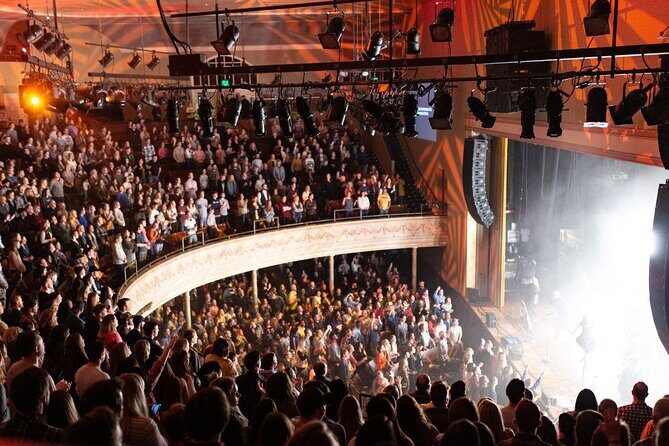
At the Ryman Auditorium, you’ll likely get a mix of sightseeing and the game’s photo-style challenges. This is one of those places where a creative photo prompt makes sense because the building itself gives you strong visual material to work with.
The value here is mindset shift. You stop treating photos as documentation and start treating them as part of the game. If you like puzzles, points, and silly creativity, this section is usually where that energy shows.
Questions and photo tasks: what you’ll do step by step
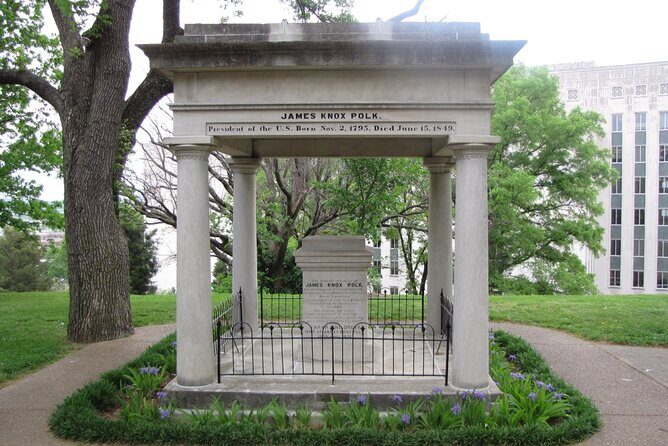
Most of the time, the tasks fall into two buckets.
1) Solve questions using what’s around you
When you get to a sight, the app asks questions. The answers are often hidden in signs, pictures, or similar information displayed at the location. This is one of the best parts of the experience because it forces you to “read the city.”
You’re not just seeing Nashville. You’re practicing the skill of finding context in public spaces. That makes the tour feel more like real exploration and less like checking boxes.
2) Complete photo tasks to earn points
Then come the photo challenges. The idea is creativity with a score. You’ll get prompts that make you think harder than just pointing a camera at the landmark.
If you’re traveling as a group, these tasks can keep things lively. One person might chase a more artistic angle while someone else focuses on getting the cleanest shot. Either way, you’re all looking at the same spot, but in different ways.
A small reality check: photo tasks take a few extra minutes. If you’re the type who likes to keep moving nonstop, you may find yourself slowing down for the “do it again” moments. But if you’re okay with that, the payback is fun and memories.
Why this format feels different from a typical guided tour

Traditional tours can be great, but they have a common weakness: you’re often listening while the guide controls the pacing. With this hunt, you control the rhythm.
I like that the app gives you structure, but it doesn’t trap you in a strict schedule. The result is that you can spend time where you care, then glide through faster parts without feeling guilty.
Another strong point is that you’re learning through problem-solving. When the clues are tied to what you can see, you get a more personal connection to the place. It turns Nashville into a set of “findable” details instead of a list of names.
And for groups, it adds a social layer. Even with your phone in your hand, you’re not isolated. The game invites conversation like: Did you find it? or Show me your answer. In a city like Nashville where downtown spots are close together, that shared momentum works well.
Timing, navigation, and staying on track without stress
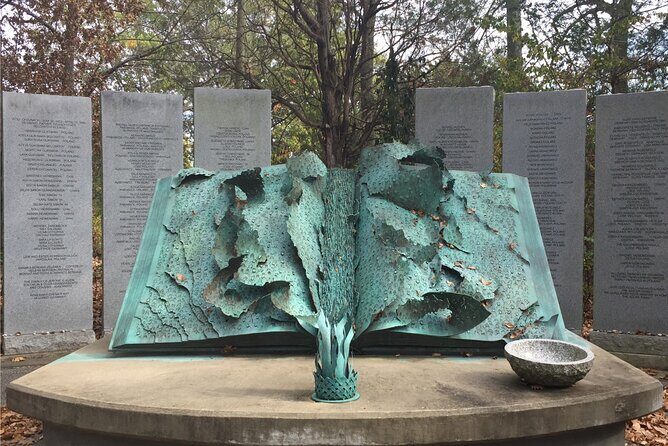
You’ll use the map function in the app to reach each stop. That’s important because scavenger hunts can fall apart when the directions are vague. Here, the app does the heavy lifting on where to go next.
The other nice part is how the route supports normal walking pace. It’s designed for a two-hour window, with enough stops to keep you engaged without turning it into a marathon.
Still, keep expectations realistic. The hunt is short compared with a full-day tour. One review noted it can feel a bit short, and that lines up with the typical 1–2 hour playtime. Think of it as a great downtown activity window, not your only Nashville plan.
If you’re stacking activities that same day, plan for a clean block of time for this game plus a little buffer for photos and snacks.
Value: getting a lot of fun for about $16 per person
At $15.85 per person, this is positioned as a budget-friendly way to spend time in Nashville. The value doesn’t come from luxury. It comes from what you’re getting for the money: a private game format, app guidance, and on-site puzzles plus photo prompts.
You’re paying for the experience design, not just a walking route. That’s why it works even if you’re a first-timer or a repeat visitor. The app turns your time into tasks, and the tasks make you slow down enough to actually notice things.
It’s also good for mixed travel styles. If one person in your group wants structure and another wants freedom, the scavenger format can satisfy both. Structure: you have hints and questions. Freedom: you decide pacing and breaks.
And since it’s private for your group, you’re not sharing the flow with strangers. That matters when everyone’s trying to answer questions and keep the group together.
Who should book this self-guided Nashville hunt
This is a great fit if you want:
- a fun downtown activity instead of a lecture
- a low-cost way to learn through puzzles
- something you can do with family, including kids
- a group game where you can compare scores
It also seems to work well across ages. One highlight from the experience feedback was that it was enjoyed by people ranging from 25 to 63, which suggests the format doesn’t assume one narrow age group.
It may be less ideal if:
- you want a long guided tour with deep spoken context
- you dislike photo tasks or point-based challenges
- you need a fully guided, turn-by-turn human narration
In other words, this is best for people who like to explore at their own speed and enjoy a bit of friendly challenge.
Practical tips so your hunt goes smoothly
Here are the things that make this kind of game easier in real life:
- Use the app early: once you’re at the start point, start right away so you build momentum.
- Read the hints carefully: they’re there to prevent wandering and wasted minutes.
- Give yourself time for one redo: with photo tasks, it’s normal to adjust and try again for a better shot.
- Don’t treat every stop like a test: focus on finding the visible clue the app points you toward.
- Plan around your comfort level: if you’re walking a lot that day, treat this as your structured break with optional lingering.
Also, the experience lists service animals allowed and says it’s near public transportation, so it should be workable for a wider range of mobility and arrival styles than something that’s deep in a car-only area.
Should you book the Nashville Scavenger Hunt and Sights tour?
Book it if you want a fun, app-driven way to see downtown and learn by searching, reading, and doing photo challenges. At around $15.85 per person and roughly 1–2 hours of play, it’s a solid value when you like interactive activities more than guided speeches.
Skip it if you’re looking for a traditional guided tour with a long narration and strict timing. This is a game. It’s meant to be flexible, not formal.
If you’re traveling with kids, friends, or a multi-age group, this format is especially appealing because it keeps the sightseeing interactive without requiring everyone to share the same interests in advance.
FAQ
FAQ
Is this tour guided by a person?
No. It’s a self-guided scavenger hunt using the Explorial-App.
How long does the Nashville hunt take?
It’s listed at about 2 hours approx., and it typically runs around 1–2 hours on average.
Is the activity timed or do I have flexibility?
You can explore at your own pace. It is not limited in time, so you can take breaks.
Where does the tour start and end?
It starts in Downtown, Nashville, TN, USA and ends back at the meeting point.
What do I need after I book?
After you buy, you receive an access code to use in the Explorial-App.
What language is the experience offered in?
It’s offered in English.
Can I cancel for a full refund?
Yes. You can cancel up to 24 hours in advance for a full refund. If you cancel less than 24 hours before the start time, the amount paid is not refunded.
]]>I love that you get lifetime access, so you can replay it on a later trip without paying again. I also love the pacing control: you can pause, restart, and take your time—perfect when you’re lingering at the good photo angles on Broadway. One possible drawback is that the experience depends on having your phone set up correctly in advance; if the app setup or start-point directions don’t click, the walk can feel like a pointless loop.
Key Things I’d Focus On Before You Start
- Lifetime access means you can revisit the route whenever your schedule lines up.
- Offline audio, maps, and geodata help you keep moving even if your signal misbehaves.
- Real-time guidance keeps the narration tied to where you are instead of a rigid group march.
- A short, walkable route usually fits into about 1 to 1.5 hours at an easy sightseeing pace.
- Multiple downtown anchors show up back-to-back, from the John Seigenthaler Pedestrian Bridge to Music City’s Walk of Fame.
- You end at a classic honky-tonk spot (outside Nudie’s), which makes it easy to roll straight into your next stop.
A Self-Guided Audio Walk from the Ryman to Nudie’s

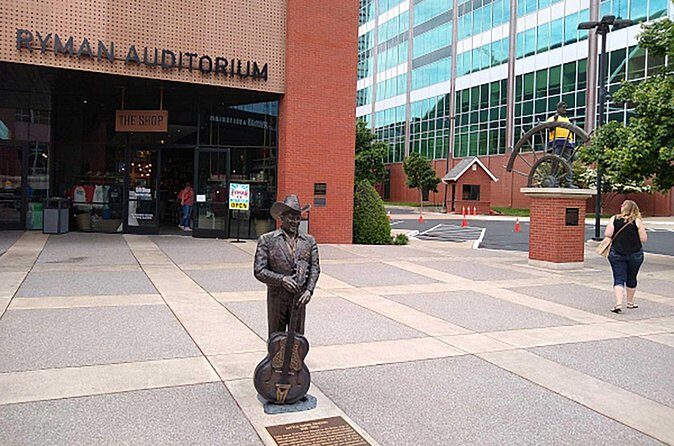
This is a walk-first experience: you start at Ryman Auditorium, 116 5th Ave N, and you finish outside Nudie’s Honky Tonk, 409 Broadway. The audio is in English, and the route is designed for an easy sightseeing loop where the narration cues arrive as you pass specific downtown landmarks.
What makes it work is also what makes it different from a guided tour. Instead of following someone fast (and missing half the details), you control the speed. If you want to linger at a sidewalk view, you can. If you’re hungry, you can pause and handle that too.
Price and Value: What $11.99 Gets You in Downtown Nashville
At $11.99 per person, you’re paying for a phone-based guide, not museum tickets or transit. That’s the key value math: most of what you’ll get is information, pacing help, and built-in suggestions—things you’d otherwise pay for in a guided walking tour.
You also get lifetime access, and that matters more than it sounds. If your first time through Nashville is part business trip, part weekend getaway, you can come back and listen again while doing a different angle of the city.
One more note: one recent buyer said they paid $6.99, which suggests pricing can vary at checkout. Even at the higher $11.99, I think it’s still sensible if you like learning as you walk and you don’t want to book a scheduled tour time.
Before You Go: App Setup, Offline Downloads, and What to Bring
This tour runs through the VoiceMap app on Android and iOS, and it can work on- and offline once you download. You get offline access to audio, maps, and geodata, which is great for downtown—because cell service is not always cooperative between key streets and bridges.
Here’s what you must bring, because it’s not included: your smartphone and headphones. If you forget headphones, you’ll still be able to see maps, but you’ll lose the whole point of an audio tour.
Now the important practical part: the tour is easy when your phone is ready before you start. Some experiences go sideways when people rely on spotty in-the-moment setup. Do yourself a favor—download and verify access before you step into the first stretch. And make sure you follow the download and voucher redemption instructions sent by email and SMS.
If your code or access looks wrong, the support path is real. The provided support contact for VoiceMap Audio Tours is [email protected].
Starting at the Ryman Auditorium: Getting Your Bearings Fast

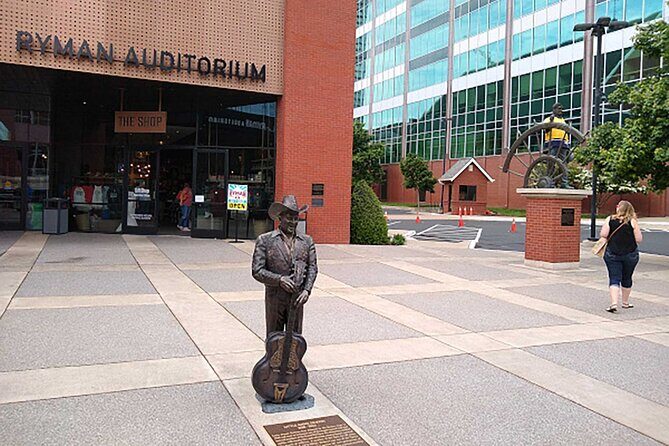
Your walk begins at Ryman Auditorium at 116 5th Ave N. This is a smart anchor point, since it’s a known, central landmark and it’s easier to confirm you’re in the right spot than with a random street corner.
When you start, the narration uses your phone location to guide you through the downtown loop. The easiest way to avoid frustration is to stand near the landmark at the start and begin the tour only when your phone shows you’ve locked onto your location.
One caution from real-world feedback: if your device navigation seems off, it can feel like the app is sending you the wrong way. In those moments, don’t treat it like personal failure—pause, check your map screen, and confirm you’re at the correct starting area. Getting GPS solid first usually solves the “why am I circling?” feeling.
Legends Corner and Acme Feed & Seed: Easy Trivia That Makes the Streets Interesting
Early on, the tour passes Legends Corner. It’s an inviting warm-up stop because the narration challenges you to name as many legends as you can—basically turning the sidewalk into a quick game. That’s a fun trick when you want learning without turning the walk into homework.
Next up is the Acme Feed & Seed restaurant area. You’ll hear which star partially owns the restaurant. Even if you’re not a hardcore Nashville trivia fan, this kind of detail makes the architecture and storefronts feel tied to real people and real stories, instead of just scenery.
A small practical note: because this tour is self-paced, these early segments are where you set your listening rhythm. If you’re the type who stops for photos every two minutes, start by moving slightly, letting the narration hit, then pause for pictures.
John Seigenthaler Pedestrian Bridge: The Best Stretch for Views and Photo Stops

The route takes you over more than half of the John Seigenthaler Pedestrian Bridge. This part is where the tour earns its walking miles. You get a moving viewpoint over downtown, and the narration keeps pointing out landmarks as you go.
This is also a good section to use your body’s “easy mode.” You’re not just walking—you’re taking in angles you can’t get from the sidewalk. If you want a break, the bridge is perfect for it since you can stop and still enjoy the view.
One of the most praised parts of this overall tour is exactly this bridge segment. It’s also where you’ll often get the sense that the route isn’t random—it’s stitched together so key sights appear in a logical flow.
Schermerhorn Symphony Center: A Landmark That Gets Context While You Walk
After the bridge, you’ll pass by the Schermerhorn Symphony Center. The audio gives you a bit of background on who the center is named after, which turns a large downtown building into something more meaningful than a quick glance.
This kind of “naming context” is surprisingly useful. When you learn who a place is tied to, you start seeing the building as part of the city’s identity, not just another stop on a map.
If you’re walking with someone, you’ll want to keep expectations simple: syncing audio between two people can be imperfect if one phone connects differently or you pause at different times. One review noted the narration can be a bit tricky to sync with a walking partner, so if you’re traveling as a pair, consider taking turns controlling the phone or letting the tour be flexible for both of you.
The Music City Walk of Fame: Nashville’s Star Trail at Walking Speed
Next, the tour passes by the Music City Walk of Fame. You’ll hear about some of the famous people commemorated there, and this is usually the kind of stop that rewards you for slowing down just a little.
One recent favorite from a review was this Walk of Fame segment. It’s a great example of why this tour works best when you’re ready to browse. You can read plaques, look for names you recognize, and let the audio add a bit of meaning as you go.
If you’re a music fan, this is also a decent “knowledge check.” Even without knowing everything, the narration helps you connect the dots quickly so the names don’t feel like a wall of text.
Nashville Visitor Center: A Smart Pause Built Into the Route
The route passes by the Nashville Visitor Center, and you’re encouraged to pause and go in for more information on things to do. Even if you don’t spend long inside, it’s a useful option because you’ll leave with a couple of ideas you can actually act on.
This is also a good moment to reset. If your phone battery is getting low, check it here. If you’re thirsty, this is a practical time to handle that before your final push.
The “pause encouragement” is one of those simple design choices that makes the audio tour feel more like a tour guide. You’re not just receiving facts—you’re being nudged toward planning your next day.
Ending at Nudie’s Honky Tonk: Finish Strong, Then Keep the Fun Going
The tour ends outside Nudie’s Honky Tonk at 409 Broadway. The narration shares a bit about the bar before the tour wraps up, which helps you avoid that awkward moment of standing there wondering what you’re looking at.
Ending on Broadway is a smart decision. It gives you an obvious next step—especially if you want music and nightlife energy right after your walking tour.
This is also the moment when the tour’s earlier recommendations can pay off. The audio includes suggestions for where to go after the tour, and the final stop makes it easy to pick one plan and run with it.
What You’ll Probably Notice Most During the Walk
Here’s what I think you’ll notice right away, based on how this tour is designed and how people described their experience:
- The narration is location-driven, not time-driven, so stopping for photos doesn’t wreck your place.
- The tour includes restaurant and bar recommendations, which makes it useful even if you’re not doing museums.
- The route links major downtown anchors in about 1 to 1.5 hours, so it fits nicely into a morning, afternoon, or early evening.
There’s also a theme in the positive feedback: people like that it gives an overview of downtown while still letting you move at your own pace. That combo is exactly what you want when you’re sightseeing in a city where walking is the main game.
Possible Drawbacks: When the App Gets in the Way
Most problems with audio tours aren’t about the sights. They’re about the tech handshake between your phone and the route.
One person described trouble getting on the phone and taking over an hour to get the tour going, then losing communication after the Ryman theater. Another said setup felt complicated, with navigation that seemed to lead in circles and made it hard to even know where they were. A separate issue mentioned receiving what seemed like an invalid redemption code and needing customer service to fix it.
So your best defense is simple:
- download and test access before you start
- begin at the correct starting landmark
- keep your screen available and your brightness reasonable
- if something feels wrong, pause and confirm your map location rather than forcing forward
If you run into account or code issues, contact [email protected] as your next step.
Who This Tour Fits Best (And Who Should Skip It)
This is a strong match for you if you like:
- walking and learning at your pace
- self-guided flexibility (pause for photos, stop for a drink, restart later)
- a downtown overview that connects major landmarks quickly
It’s also a decent choice if you’re not trying to build an itinerary around museum hours. You’re mostly out on the streets, with narration pointing you toward what to do next.
Skip it—or at least be cautious—if:
- you expect everything to work smoothly without pre-downloading content
- you don’t want to manage an app while walking
- your phone battery is usually low and you don’t plan to carry a charger
Should You Book the Heart of Downtown Nashville Audio Tour?
I’d book it if your goal is a practical downtown orientation with zero pressure. For the price, you’re buying a guided feel without paying for a scheduled group time, and the lifetime access means you’re not stuck with a one-and-done experience.
I’d think twice only if you know your phone setup tends to be fragile on trips or you hate tech steps while you’re trying to enjoy a city. If you’re comfortable downloading an app, using offline access, and walking at a steady pace, this tour is the kind of smart companion that makes Nashville’s downtown feel more connected—bridge, music sights, and Broadway energy all in one loop.
FAQ
How long is the Heart of Downtown Nashville audio tour?
It typically takes about 1 hour to 1 hour 30 minutes.
Where does the tour start and end?
The tour starts at Ryman Auditorium, 116 5th Ave N, Nashville, TN 37219 and ends outside Nudie’s Honky Tonk, 409 Broadway, Nashville, TN 37203.
Is the tour available in English?
Yes. The audio tour is offered in English.
Can I use the tour offline?
Yes. You can download the app and access the tour on- and offline, with offline access to audio, maps, and geodata.
What do I need to have with me?
You’ll need your smartphone and headphones. Transportation, food, and tickets/entrance fees are not included.
Is this tour private?
Yes. It’s listed as a private tour/activity, meaning only your group will participate.
]]>What I like most is the audio guide is available in five languages (English, French, Spanish, German, Japanese). I also like that the museum is set up so you can take real time with exhibits, videos, and artifacts instead of doing a fast walk-through.
One thing to consider: the experience can feel reading- and listening-heavy, and the handheld audio may not work for everyone. If you expect low-effort museum viewing, plan for a little extra patience, especially when it gets busy.
Key highlights worth planning for
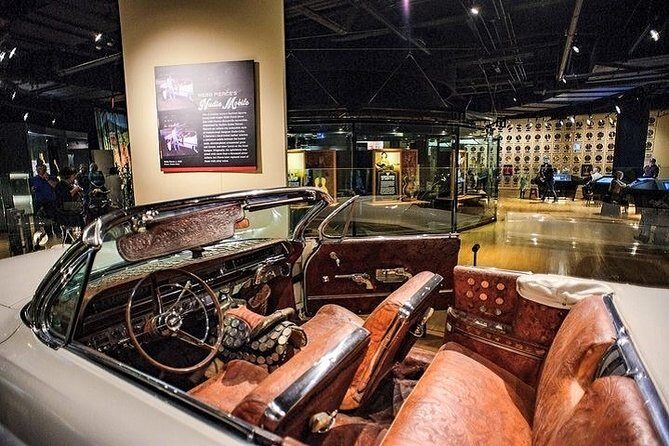
- Audio guide in five languages so you can actually enjoy the details, not just skim
- Self-paced galleries that work well if you like to linger at cars, costumes, and instruments
- Videos and films that add context between hands-on-looking displays
- A strong mix of past and more recent artists so you are not stuck in one era
- A small café inside the museum for a break without leaving the building
- A museum layout that rewards going early to beat crowding and overwhelm
Country Music Hall of Fame admission: why this ticket works in Nashville
This is one of those Nashville stops where you can shape the day. Your ticket gets you into the museum, and the experience is designed for you to explore at your own pace. That matters because country music history is full of names, timelines, and artifacts. If you rush, it turns into background noise.
The museum is open daily from 9:00 AM to 5:00 PM. In practice, that is a friendly window for sightseeing: you can pair it with another Nashville plan before or after, or just treat it as your main event for a half day. The time you should plan is about 2 to 3 hours, though the building can run longer if you want to read more closely or watch films.
One more practical point: the site is near public transportation. If you are trying to avoid traffic and parking stress, this is a big deal for a smooth day in Music City.
The audio guide plan: using the 5-language handheld without frustration
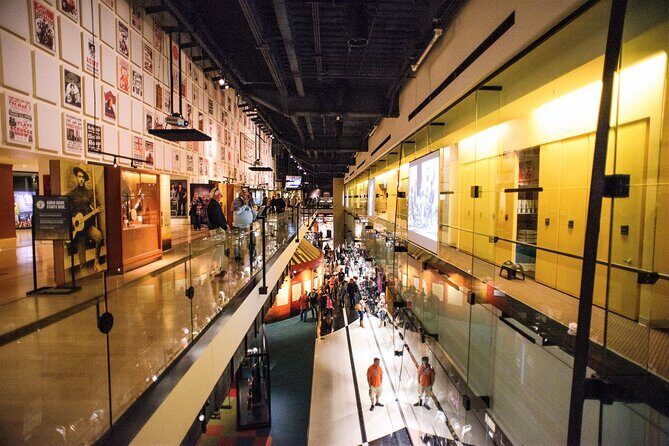
The audio guide is not just a bonus. It is a key part of how most people get value from the museum. The handheld audio is available in English, French, Spanish, German, and Japanese, which makes a real difference if your group has different language comfort levels.
Here is how to make it work well:
- Pick your language early and keep it consistent so you do not lose your place.
- Use the device at each exhibit point instead of only at the bigger displays. Smaller stories can be where the most fun facts hide.
- If you feel yourself getting stuck reading labels, let the audio do the heavy lifting, then go back to the text if you want more detail.
A practical note from real on-site experiences: the audio handheld experience is not perfect for everyone. Some people found it hard to listen to the device at times, and a few felt it did not add much when they were focused on the visuals. My advice is simple: try it for the first gallery or two. If it is not clicking for you, switch your strategy to videos first and then read only what you care about most.
Inside the museum: what you will see across the galleries

Once you are in, the museum is built around a mix of artifacts, story points, and media. You will see plenty of memorabilia tied to major names and different eras of country music. This is not just a wall of photos; it is a sequence of displays that tries to connect artists, songwriters, and the culture around them.
Expect standout categories
From what you will encounter, these show up again and again:
- Costumes and personal items linked to performers
- Instruments and music-related artifacts that help you understand the craft
- Handwritten letters and documents, often behind glass
- Iconic vehicles and display objects, including Elvis’ Cadillac
Some exhibits feel very visual and cinematic, while others are more about text. If you prefer reading, you can spend a lot of time here. If you do not, focus on the multimedia stops and the main landmark displays.
Videos and films that add context
The museum uses films and videos to explain the bigger story of country music. Many people find these sections a relief from label reading, because they help you understand the timeline and how the genre changed. You can treat these as your anchor points: watch a video, then return to the surrounding displays with sharper context.
A mix of classic legends and modern stars
One of the best parts is the blend. You will find coverage of both longtime icons and more contemporary country stars. Dedicated areas for big names like Dolly Parton and Taylor Swift are part of the mix, and the museum includes information that reaches into more recent decades.
If your group has mixed tastes, this “past plus present” approach helps. Even if you are not a die-hard country fan, you can still enjoy the cultural and musical evolution.
A break is built in
There is a small café inside the museum. It is a handy option when you realize you have spent two hours reading and watching and your brain wants food, not facts. People also mention it as having good value for a museum setting.
How long to plan: 1.5 hours, 3 hours, or more
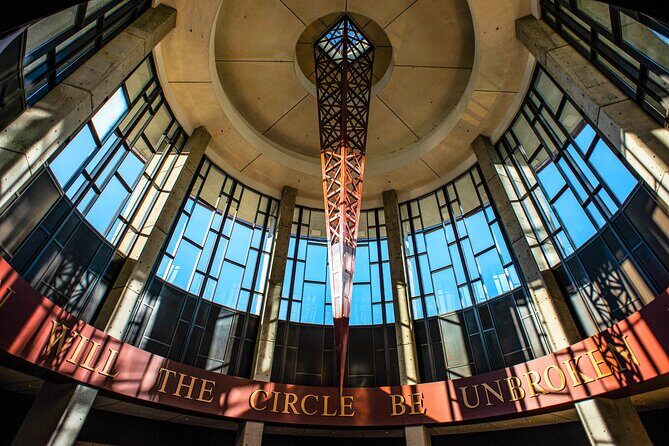
The museum can be as short or as long as you make it. A common pattern is:
- If you only hit the major exhibits and do not linger over every label, you might move through in about 1.5 hours.
- If you use the audio guide and actually take in the layout, around 3 hours is a very realistic sweet spot.
Plan for crowding too. The museum can get busy, and when it does, the exhibits feel tighter because you are sharing space with other people reading the same signs. Also, the sheer amount of content can overwhelm you if you try to process everything at once.
My practical pacing suggestion: do it in loops.
- First pass: use audio for the key story points and watch films.
- Second pass: go back only to the displays you keep thinking about.
This prevents that stop-and-start feeling and helps you avoid rushing. It also makes the whole visit feel more like a curated walk rather than a homework assignment.
Layout and accessibility: making the museum easier to navigate
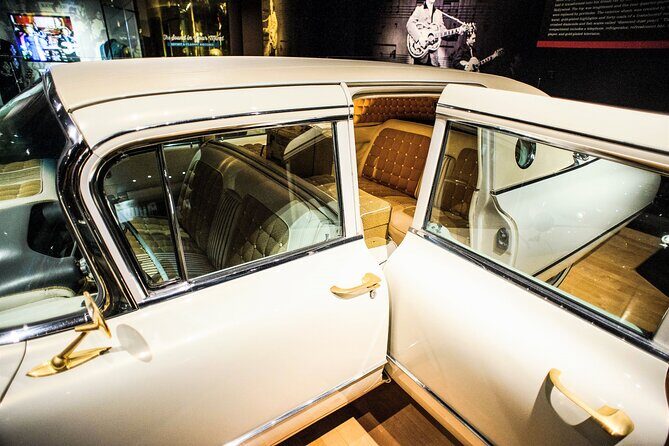
The building design is a big part of the experience. The museum layout is often described as well done, and many people find it easy to follow as they move through the galleries and media sections.
That said, navigation can still be a factor. One on-site issue that came up is that some people found the elevator and stair route a little hard to find, especially if you are trying to plan your way quickly. If you need mobility-focused routing, ask staff at the start. It is the fastest way to get your bearings.
Also, because some audio and exhibits may feel separated by space and floors, the museum works best when you plan to move around rather than expecting everything to be in one straightforward line. Comfortable shoes help.
Price and value: what $36.95 really buys
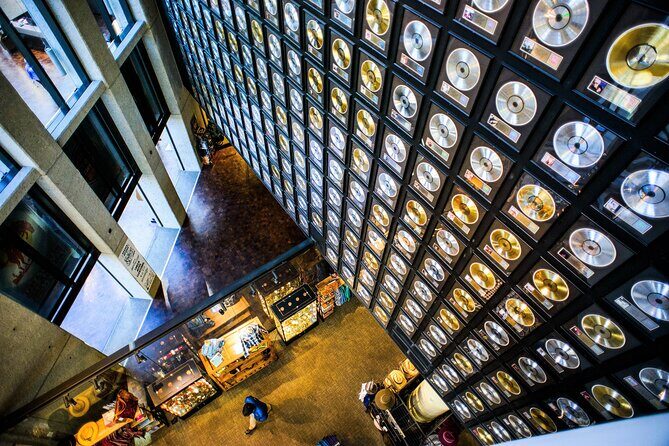
At $36.95 per person, this is not a “grab it and forget it” ticket. It is closer to a pay-once museum visit where you should expect to spend real time. The value comes from two things:
- You get admission plus an audio guide included. That is a direct add-on value because it is part of what makes the exhibits more understandable.
- It is self-guided, which means your money is tied to your time, not a tight group schedule.
If you are visiting Nashville for a shorter window, the ticket makes sense because you can do it efficiently. You do not need to line up for a specific session, and you can start and stop your day around the museum hours.
One more value angle is how much you spend getting there. Parking can add up quickly in Nashville. One helpful tip that came up is that Publix parking may be free, while some other nearby parking options can cost around $30 per 2 hours. If you want to protect your budget, consider using Uber or Lyft for a day focused on museums.
Getting there in Nashville: transit-friendly and money-smart

The museum is near public transportation, which helps if you do not want to fight traffic. If your schedule allows, arrive early. That is when the museum feels easiest to navigate and you can settle into the exhibits before the peak rush.
For parking, plan smart:
- If you see free parking in nearby areas like a Publix lot, it can save money versus paid garage or lot pricing.
- If paid parking is your only option, it may be cheaper overall to use rideshare for the short trip rather than paying by the hour.
These are simple choices, but they can quietly make or break how smooth your day feels.
Who should book this museum ticket (and who might skip)
This ticket is best for:
- Country music fans who want artifacts, timeline context, and artist spotlights
- People who like museum experiences with videos and hands-on-looking displays
- Anyone who enjoys a “walk through the story” format rather than just a quick photo stop
It can still be a good choice even if you are not a hardcore fan. One recurring theme is that the museum still works for music history minded visitors, because it highlights songwriting, performance, and the culture around the genre.
You might be less happy if:
- You hate reading labels or you prefer highly interactive, hands-on-only museums
- You want a very light, effortless experience with minimal walking
- You struggle with audio devices or you want every piece to be self-explanatory without any listening component
If your group is mixed, the audio guide languages are a real advantage. If you have one or two people who do not care about the audio, they can still enjoy the exhibit visuals while others listen.
Should you book the Country Music Hall of Fame admission with audio guide?
My take: yes, this is a solid book if you want a structured but self-paced Nashville experience. For the price, the included 5-language audio guide and the museum’s mix of exhibits, films, and major artist displays make it a worthwhile use of time.
Book it if you can give it a real block of time. Aim for around 2 to 3 hours, and if you know you will read everything, plan a little longer. Skip it only if you want a very short stop or you know you will not use the audio or videos at all.
If you want country music context without the stress of tight tours, this is one of the easier “yes” tickets in Nashville.
FAQ
How long does the Country Music Hall of Fame visit take with the audio guide?
The visit is approximately 2 to 3 hours.
What languages are available on the audio guide?
The audio guide is available in English, French, Spanish, German, and Japanese.
What are the opening hours for the museum?
The museum is open daily from 9:00 AM to 5:00 PM.
Is the admission self-guided or part of a group tour?
This is self-guided admission with an audio guide included, so you can explore at your own pace.
How do I get my ticket after booking?
You receive a voucher, and at the desk they print your ticket(s).
Is the attraction easy to reach using public transportation?
Yes. The location is near public transportation, and most people can participate.
What is the cancellation and refund policy?
You can cancel for free up to 24 hours in advance for a full refund. If it is canceled due to poor weather, you will be offered a different date or a full refund.
]]>I love how the show uses film and theatrical effects to set context fast, and I love the onstage photo perk that turns a walk-through into a real memory. One thing to watch: the stage photo can vary depending on what the Ryman has scheduled that day, so plan for it and don’t build your whole trip around perfect conditions.
Key points before you go
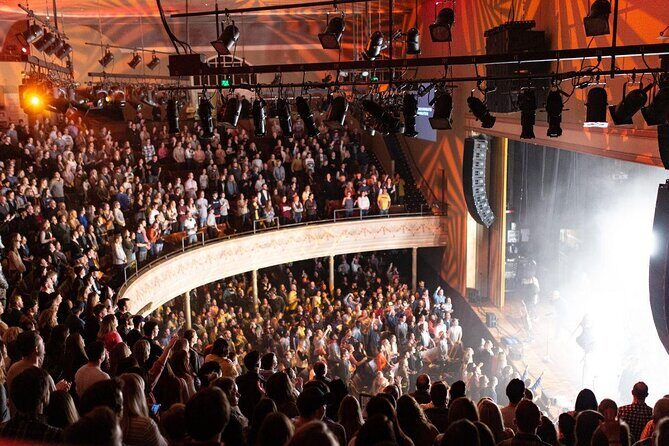
- Soul of Nashville kicks things off with special effects, holograms, and archival footage for a quick orientation to 125 years of music at the Ryman.
- You’ll walk through five themed exhibits tied to the Ryman’s story, from early performance days to later stars.
- Short films are hosted by famous names like Emmylou Harris and Marty Stuart, with additional host segments featuring Nicole Kidman, Ricky Skaggs, Robin Roberts, and Trisha Yearwood.
- The included stop at the Hatch Show Print gallery gives you a tactile Nashville souvenir vibe beyond just screens.
- You can take an included Ryman stage photo, but availability can change with on-site commitments.
- The tour is set up for flexible timing during opening hours, so it works well with a packed Nashville day.
Picking Up Your Voucher and Starting at the Right Time

The experience is set up as a true self-guided plan. You don’t meet a guide for the exhibits. Instead, you redeem your voucher for admission and then move through the rooms on your own schedule during opening hours.
Plan on using your morning or early afternoon if you want a calmer pace. Opening hours listed here run 9:00 AM to 3:00 PM, Monday through Sunday for the season shown, and the tour includes space for you to view exhibits and watch the opening theater presentation. If you show up late in the day, you might feel rushed by timing or by crowd flow, especially in the theater start.
One practical tip: your ticket isn’t just emailed to your phone. Your tickets are held at the theater box office, and you’ll need to show your voucher plus photo ID to collect them. That’s easy, but it’s the sort of step that can slow you down if you’re already in a hurry to see Broadway.
Also note that this is in English, and service animals are allowed. The tour is a good fit for most visitors because it doesn’t require climbing-heavy routes described in the info you have here, and you control how long you linger at each exhibit.
Soul of Nashville: The Theater Opener That Sets the Tone
Stop 1 is the Soul of Nashville presentation. This is the part that makes the self-guided model feel more than a simple museum walk. It uses special effects, holograms, and archival footage to frame the Ryman’s 125-year story in one go.
You’ll see country music legends and featured artists connected to the Ryman’s legacy, including collaboration elements with Darius Rucker, The Fisk Jubilee Singers, Sheryl Crow, and Vince Gill. The whole idea is to give you context before you start reading and watching exhibit content around the building.
What I like about this setup is that it solves the usual problem with self-guided tours: you don’t always know what you’re looking at. Here, the opening presentation gives you the storyline first—then the exhibits become much easier to place.
From the on-site footage style to the scale of the theater experience, it’s also the best way to keep kids or time-crunched visitors engaged. Even if you’re mostly there for the Ryman stage photo, this intro is the thing that gives the visit meaning.
If you’re the type who prefers quiet, you might want to time this with a less busy theater slot. The information here doesn’t promise a specific start time, but because this is built into entry, showing up with some breathing room helps you avoid feeling packed into seats.
Five Exhibits at Your Own Pace
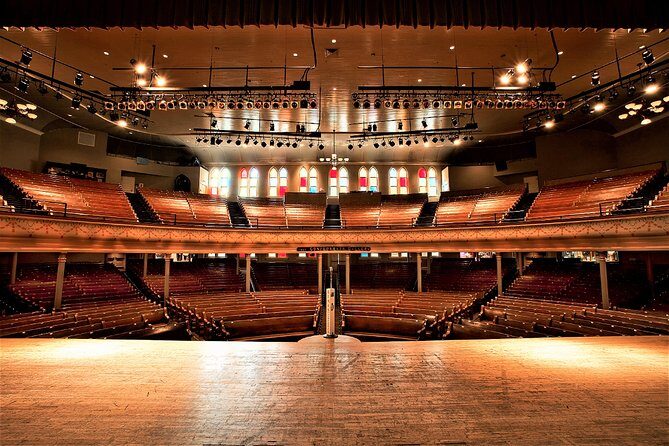
After the theater intro, you move through five exhibits with rotating film and artifact-style content. The tour description calls out these exhibit names clearly: Workin’ on a Building, Showplace of the South, Mother Church of Country Music, Ryman Stage to Screen, and Ryman Renaissance.
Think of these as chapters. The Ryman is more than a performance hall—it changed with the music world around it. These exhibit titles help you track that arc while you’re walking.
Workin’ on a Building
This is a good stop if you enjoy the physical story of a venue: how it was used, supported, and kept alive through different eras. Even if you already know Nashville’s reputation, this kind of exhibit helps you understand how a single building becomes a national symbol.
Showplace of the South
This section helps connect the Ryman to a broader cultural setting. It’s the sort of exhibit that makes the Ryman feel like a public stage, not just a famous address. You’ll likely spend more time here if you like the “how it became what it is” angle.
Mother Church of Country Music
This is the emotional center for many country music fans. If you’ve heard that nickname and wondered why people say it with such conviction, this exhibit is built to make that connection. You’re not only learning names—you’re learning why the Ryman mattered to the way country music showed itself to the world.
Ryman Stage to Screen
If you like entertainment history—how music performance becomes media—this exhibit fits that curiosity. The Ryman has appeared in different formats over the years, and this section is designed to show that pathway in the venue’s story.
Ryman Renaissance
This last chapter is about revival and continuation. It’s also where you’ll probably feel the most “present-day” connection, because you’re seeing how the Ryman kept evolving as music shifted.
Across the exhibit rooms, you’ll see short films hosted by celebrity names including Emmylou Harris, Marty Stuart, Nicole Kidman, Ricky Skaggs, Robin Roberts, and Trisha Yearwood. That mix is helpful because it doesn’t rely on one kind of narration. It gives different entry points depending on what kind of country fan you are—performance-focused, music-business focused, or entertainment-history focused.
Hatch Show Print Gallery: A Small Stop With Big Nashville Energy
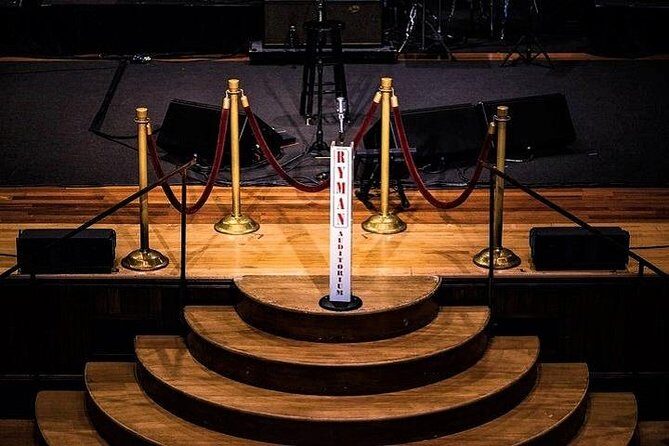
One included bonus is time in the Hatch Show Print gallery. It’s not just another wall of information. This is the kind of place where you get a sense of Nashville’s visual culture—especially if you like posters, show ephemera, or the old-school side of music advertising.
Even if you don’t buy anything, it’s a nice change of pace from exhibit reading and video viewing. You’re learning while your eyes are doing something satisfying. It also gives you a souvenir-style moment that isn’t only tied to your onstage photo.
If you’re planning your day around other stops, schedule enough time so you don’t treat this as a quick look-and-go. A gallery like this is best when you slow down for a minute and let it work on you.
The Onstage Photo: The Keepsake Most People Remember
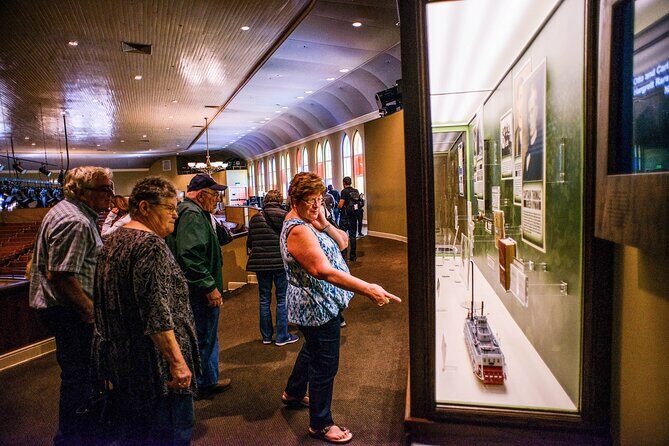
Here’s the part that turns a tour into a souvenir moment: you get the chance to take a photo on the Ryman Auditorium stage, included with your admission. For a lot of visitors, this is the “I was really there” payoff—standing where legends stood, even if only for a few seconds.
The important caution is also in the tour details: on-stage photo availability may vary based on Ryman Auditorium commitments. That means sometimes the stage may not be ready for photos, or photo timing could be impacted.
So how do you handle that without ruining your mood?
- Keep your expectations flexible and treat the stage photo as a bonus.
- If you’re visiting at a busy show week, arrive early in the day so you have more chances to catch whatever photo windows exist.
Also, don’t obsess over what the scene looks like in your photo. Even with perfect availability, it’s still a photo in a real venue with real schedules. The point is the location and the feeling of being on that stage, not a movie-set fantasy.
How Long It Takes and How to Pace It
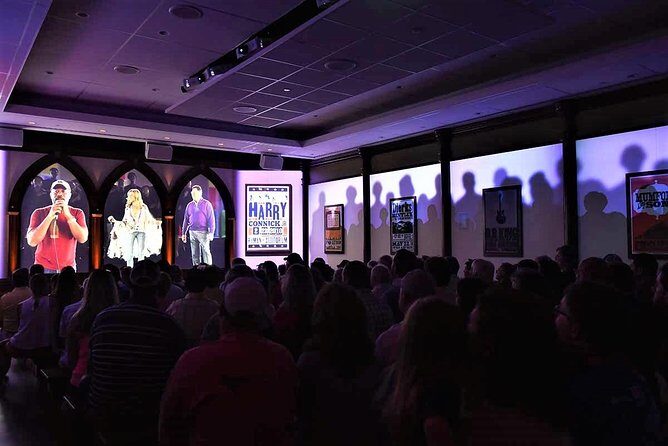
The tour runs about 1 to 2 hours. In practical terms, you can do this in closer to an hour if you move briskly, focus on the theater intro and the main exhibits, and only pause for what interests you most.
If you tend to read everything and rewatch key film clips, you’ll drift toward the full two hours, and that’s exactly the sweet spot. The self-guided format is designed for exactly this: you choose how much depth you want.
A smart pacing method:
- Start with the theater intro so your brain has a story spine.
- Then go through the exhibits in order, but don’t feel forced to treat them as equally time-heavy.
- Save extra time for the exhibit titles that match your personal country music taste.
In general, this is the sort of activity that pairs well with Nashville planning. It’s indoors, it’s a single-location win, and it doesn’t require you to coordinate with another tour guide. That makes it easy to slot in between meals, or before you head out for Broadway-area evening plans.
Price and Value: What You’re Really Paying For
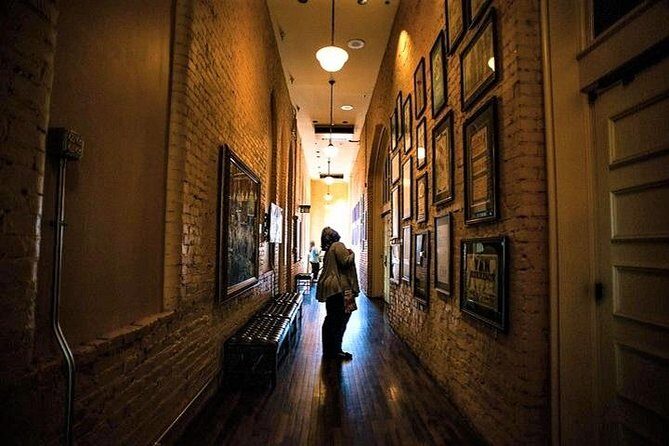
At $34.62 per person, the value comes from a mix of experiences, not one single feature. You’re getting:
- a theater-based opening presentation (the Soul of Nashville show),
- five structured exhibit areas,
- the Hatch Show Print gallery time,
- and an included stage photo opportunity.
If all you wanted was a quick museum walk, you’d likely feel the price. But the way this experience is built is closer to a ticketed mini-show plus a museum circuit. The theater component is a big deal here. It gives context, and context makes the exhibits more meaningful.
The included onstage photo is also part of the value. It’s not just a nice-to-have if you’re the type who wants tangible memories. And even though photo availability can vary, when it works, it’s the kind of souvenir that sticks in your head longer than a postcard.
For visitors comparing self-guided vs. other tour formats, here’s the key thought: this self-guided plan is built around multimedia, displays, and the stage photo moment. If you’re expecting a heavier live performance or a more interactive acoustic-style experience, you may want to consider a different type of tour. This one is still impressive, but it’s designed to be walked and watched, not heard in a live way.
Who This Tour Fits Best
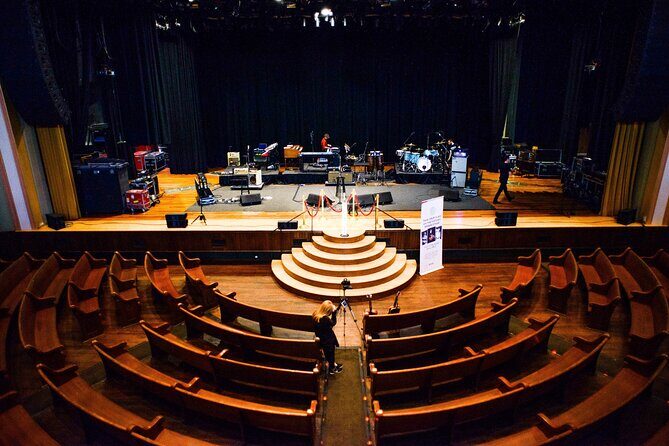
This works especially well if:
- you love country music history but don’t want to wait on a group schedule,
- you prefer flexible pacing and clear exhibit “chapters,”
- you want a solid Nashville stop that doesn’t depend on timing other venues,
- and you’re excited by the idea of taking a photo on the Ryman stage.
It’s also a decent option for families, because the structure keeps moving: theater intro, exhibit rooms, then the photo. Even kids who aren’t lore-collectors usually enjoy seeing the building and the stage.
If you’re visiting Nashville for a short time, this is one of those activities that can handle its own. You don’t need to build your entire day around it, because it’s self-guided and timed within opening hours.
Should You Book This Ryman Auditorium Self-Guided Tour?
I’d book it if you want a smooth, meaningful way to experience the Ryman without committing to a full guided format. The Soul of Nashville opener is the engine that gives the exhibits purpose, and the included stage photo is the kind of memory you’ll be glad you have.
I’d think twice or go with a different format if your top goal is an experience that centers on live acoustics or a more interactive performance-style moment. This tour is best understood as a multimedia walkthrough with a stage-photo payoff.
If you do book it, give yourself enough time to take the theater intro seriously, then let the exhibits do the rest. When you do it that way, it stops being just a stop on a Nashville checklist and becomes a real understanding of why the Ryman earns its nickname.
FAQ
What is included in the Ryman Auditorium self-guided tour?
You get a self-guided tour of the historic Ryman Auditorium, the Soul of Nashville intro movie, access to five exhibits, the Hatch Show Print gallery, and a souvenir photo opportunity on the Ryman stage. Souvenir photos are included as an opportunity, but additional souvenir photos to purchase are not included.
How long does the tour take?
Plan on about 1 to 2 hours.
Do I need to pick up tickets at the box office?
Yes. Your tickets are held at the theater box office for collection on the day of the self-guided tour. You must present your voucher and photo ID.
Is the onstage photo always available?
On-stage photo availability may vary based on the Ryman Auditorium’s commitments.
What are the opening hours for the tour?
Opening hours listed are 9:00 AM to 3:00 PM, Monday through Sunday, for the period shown.
Can I cancel for a full refund?
Yes. You can cancel up to 24 hours in advance for a full refund if you cancel at least 24 hours before the experience start time.
]]>